Increase in "violence" and "suicide"; Education says students' risk-taking has increased 10-fold
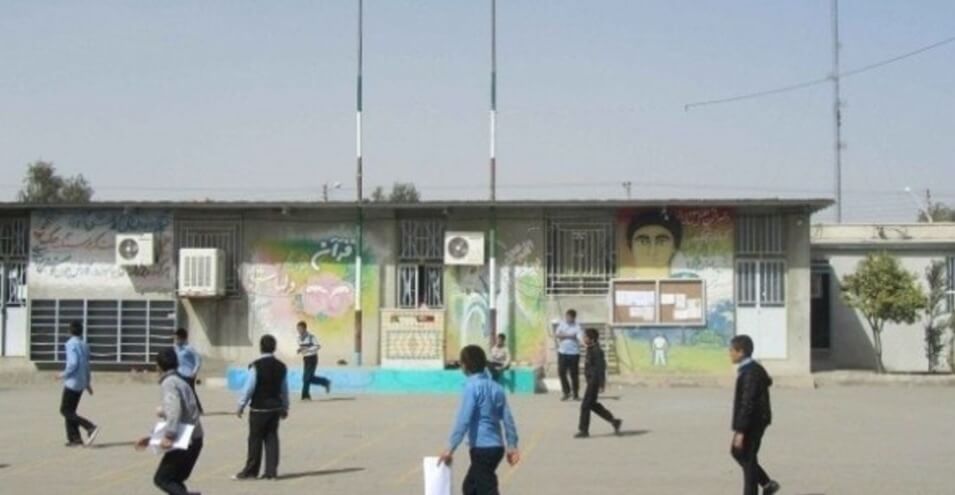
Without providing statistics on the rate of suicide and violence, the Ministry of Education announced that the risk-taking rate of students has increased "10-fold" over the past six years, and that "violence" and "suicide" have been among the dangers threatening students in the past three years.
According to the Iranian Students News Agency, on Saturday, November 5, the Ministry of Education announced this based on assessments by the "Monitoring System and Social Damages of Students," which is based on "data from the Mental-Behavioral Health Screening Test" and reports from the country's counseling and psychology centers.
The report warns that a significant portion of students are "at risk" and require "urgent and specialized measures," and that ignoring them will increase the incidence of mental disorders such as "anxiety, depression, and anger."
"Sexual abuse," "running away from home or school," "extreme poverty" and "homelessness," "maltreatment," and "drug abuse" are among other risks that students face.
Saeed Peyvandi, a sociologist and university professor in Paris, explained the concept of student risk-taking in an interview with the Persian service of the Voice of America.
He said: "The meaning of risk-taking among various social groups, including young people, is that they do not actually think about the risks and consequences of their actions or deeds, and they do things that could endanger their health or even their lives, for example. And that is why when in Iran, for example, we are dealing with increased risk-taking, it means that people think less about the adverse or harmful consequences to their health and lives and can take actions that have these types of consequences."
Regarding the reasons for this crisis in Iran, Mr. Peyvandi said that the relationship between youth and "youth inclusive reference institutions" - including school, family, and mass media - which should actually be a model for forming moral order and influencing youth behavior, have lost their role and function, have become discredited, and do not have the necessary legitimacy in the eyes of young people.
According to this sociologist, as a result of this situation, social networks, which are not controlled by society, can have a negative impact on young people, and lead them in a direction that can sometimes pose certain risks and cause them to behave violently.
Mr. Peyvandi said: “Reducing youth risk-taking requires establishing direct dialogue with young people.”
He added that educational experts, psychologists, and youth and adolescent issues experts should speak in a direct dialogue with young people in educational settings and in the media, and by consulting with them in schools or outside of schools, gradually help to remove young people from this negative, vicious, and violent cycle and create a new kind of awareness among them.
Suicides caused by poverty among students in Iran have been repeatedly reported by news and human rights sources in recent years.
In addition to students, several teacher suicides have also been reported in Iran due to financial difficulties.