Increase in immigration of Iranian medical staff; Ministry of Health: We have a shortage of at least 100,000 nurses
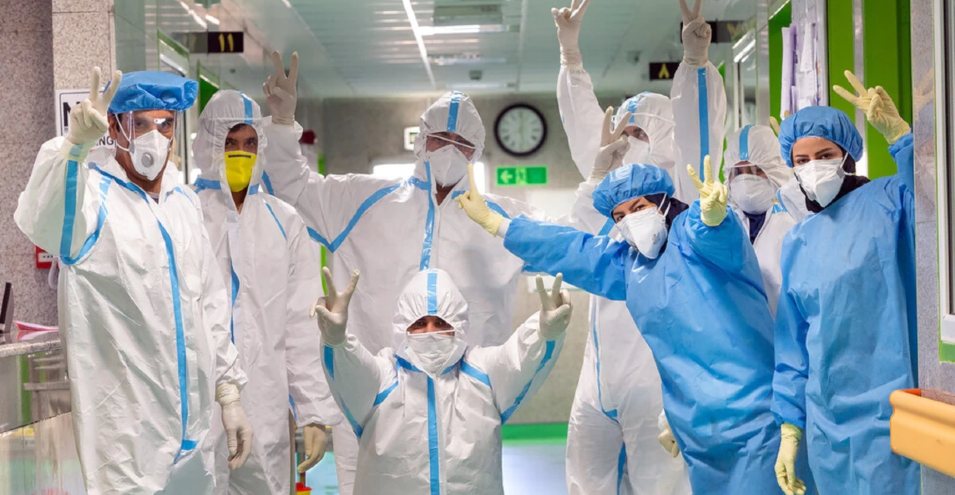
Iran's Deputy Minister of Health says that Iran's medical and healthcare system is facing a shortage of at least 100,000 nurses.
Abbas Ebadi, Deputy Director of Nursing at the Iranian Ministry of Health, referring to efforts made to recruit nursing staff in previous years, says that given the "shortage of at least 100,000 nursing staff" in the country, such recruitments are only "reliefs."
Officials of the Ministry of Health of the Islamic Republic have repeatedly announced that, as the various waves of the coronavirus continue and the migration of medical and healthcare personnel increases, the country is facing a significant shortage of nurses.
In March 2021, the Secretary General of the Iranian Nursing Home, referring to the increasing trend of nurse migration and the lack of replacement of these forces, said, "This year we had an exit but no entry; that is, despite the fact that a number of forces left due to retirement, immigration, and quitting their jobs, no recruitment was done."
Sharifi-Moghaddam acknowledged that the shortage of nurses has reduced the level of service provided to patients. He said: "The shortage of nurses increases the pressure on the existing workforce; currently, nurses are giving their all to their work, but people still do not receive half the care they should."
Many nurses are unhappy with working conditions in Iran. Low salaries and lack of job security have driven many nurses to emigrate, while many countries have eased immigration and employment conditions for nurses during the pandemic.
This is an issue that has not gone unnoticed by those involved.
In December 2011, the head of the Nursing System Organization said, "Countries around the world are looking for our nurses," in response to the wave of migration of elites and specialists, an issue that Islamic Republic officials had previously denied or concealed.
Meanwhile, in September of the same year, the Donyayeh Eqtesad newspaper published a report on this matter, quoting the secretary of the Supreme Council of the Nursing System, and wrote that the output of nurses is "estimated at 500 people per month."
Inadequate payment conditions and lack of job security have been a constant concern for this group.
Nurses in various cities in Iran have repeatedly protested in recent years against their low salaries, 89-day contracts, and inadequate union conditions, calling it "government exploitation."
The spread and pandemic of the coronavirus in the last two years has also exacerbated the problems of Iran's medical staff, to the point that several protest rallies were held by them last year to express union demands. This is while the pandemic has also dealt a severe blow to Iran's healthcare system.
According to a report in September 2017 by the Tehran-based "Deniyaye Eqtesad" newspaper, "In the two years since the outbreak of the coronavirus in Iran, about 80,000 nurses have been infected with Covid and more than 110 of them have lost their lives."
All this while officials hope they can find a way out of this crisis.
Abbas Ebadi, speaking to nurses at Ganjwiyan Hospital in Dezful on Tuesday, expressed hope that he would be able to overcome these problems. He said, "With the help of the Deputy for Development and the Administrative and Employment Organization, the Islamic Consultative Assembly, and the Nursing System Organization, this year, in addition to recruiting nurses active in the Corona crisis, we will recruit a significant number of nursing staff and bring the nurse-to-bed ratio closer to the standard."
The Iranian Deputy Minister of Health, implicitly confirming the reality of the poor living conditions of nurses, referred to the measures taken in the area of "ensuring the livelihood" of nurses and promised that "we hope that the nursing services tariff law will help implement justice in payments and reduce the complaints of nurses in this area to some extent."
The shortage of nursing personnel has placed additional pressure on the nursing profession, with the spokesperson for the Islamic Consultative Assembly's Health and Medical Commission saying last year that the country's nurses are forced to work "150 hours of mandatory overtime" to make up for this shortage.
Source: Voice of America