The Statistical Center of Iran announced that the country's inflation in January was 38.6 percent.
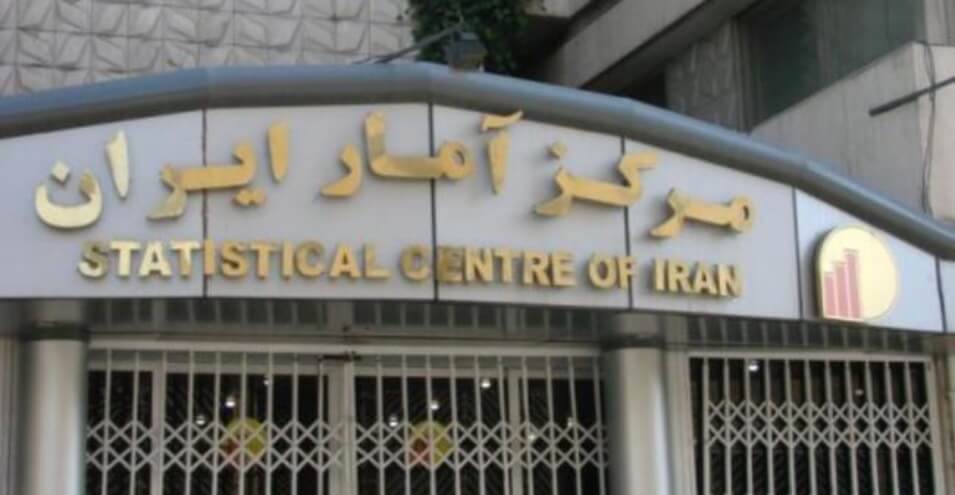
In a report published on Tuesday, February 1, the Statistical Center of Iran announced that inflation for the 12 months ending in January was 38.6 percent.
This figure represents a decrease of 1.4 percent compared to the annual inflation rate in December. However, the decrease in inflation does not mean that goods and services in the country have become cheaper, but only that the pace of price increases has slowed slightly.
The details of the Statistics Center report show that the increase in food prices in the 12 months ending in January was about 52.4 percent compared to the same period last year. Some food items, such as meat and vegetables, experienced inflation of about 70 percent.
The report puts housing and rent inflation at around 23 percent.
Also, the increase in prices has been greater in rural areas than in cities. Rural inflation has been reported to be around 42 percent and urban inflation to be 38 percent.
Inflation in January itself compared to the same month last year (point-to-point inflation) was also assessed at 26.3 percent, which is a decrease of 1.5 percent compared to inflation in December.
After the US withdrew from the JCPOA and imposed sanctions, inflation in Iran skyrocketed, hitting a record high of 42.7 percent in September.
The momentum of price increases subsided somewhat after that.
According to the International Monetary Fund's assessment, Iran's inflation in 2019 was about 35.7 percent, ranking fifth in the world after Venezuela, Sudan, Zimbabwe, and Argentina in terms of price growth acceleration.
This international organization has predicted that the inflation rate in Iran will be 31 percent this year, and that some of the momentum in price increases in Iran will be lost in the coming years, ultimately reducing to 25 percent in 2024.
Next year, Iran will be ranked fifth in the world in terms of inflation, and in 2022, it will experience the third highest inflation in the world, and in the following two years, among all countries in the world, only Sudan will have higher inflation than Iran.
Thus, prices in Iran are expected to continue to rise in the coming years.
High inflation has been accompanied by significant economic recession over the past two years.
Iran's economy shrank by about 4.8 percent in 2018 and shrank again by 9.5 percent last year. In other words, Iran's GDP has decreased by 14.3 percent in the past two years, and Iran's economic growth is expected to be zero percent this year.
Source: Radio Farda