60% increase in medical tariffs; MP: Don't take "revenge" on people
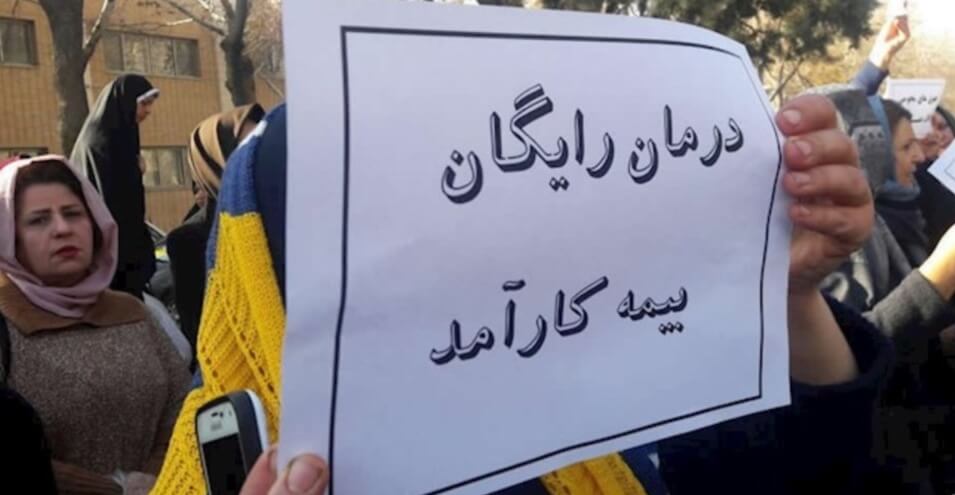
While "free treatment" is one of the demands of protesters in union gatherings, including retirees and pensioners, the possibility of a 60% increase in diagnostic and therapeutic service tariffs, or medical tariffs, has raised concerns among social media users.
Mehr News Agency, in a report on January 18, expressed concern about medical tariffs in a report by "People's Unshaven Head." ILNA also wrote about the possibility of a 70 percent increase in the public's contribution and warned against ignoring "society's resilience" and creating "public dissatisfaction."
Ali Salarian, deputy director of technical and supervisory affairs at the Iranian Medical System Organization, referring to inflation of 45 percent, said that the organization's economic and health experts have estimated an increase of "at least 60 percent" for 1401.
According to Mehr News Agency, in 1401, a visit to general practitioners will cost about 85,000 Tomans, specialists about 120,000 Tomans, and subspecialists about 160,000 Tomans, an increase of more than 100 percent.
However, Mehdi Yousefi, Director General of Tariffs, Standards and Insurance at the Ministry of Health, did not consider the increase in these tariffs to be responsible for the components of the health system, saying: "We do not believe that the health system should be run based on a payment system from the patient's pocket."
Journalist Mohammad Hossein Nejati tweeted that tariffs in Iran are moving ahead of inflation every year, calling doctors an "autonomous class" and writing: "This group does not pay taxes and easily escapes medical errors through sham courts managed by their own guild."
According to the Iranian Labor News Agency, ILNA, Ali Babaei Karnami, a member of the Labor Faction of the Islamic Consultative Assembly, stated that "friends should not take revenge on the people for increasing medical capacity," adding: "A 60 percent increase in medical service tariffs is neither proportionate to the capacity of insurance companies nor to the economic capacity of society. This means depriving the low-income group of people from medical services."
Citing a report by the Research Center of the Islamic Consultative Assembly, ILNA wrote that with the implementation of the Health Reform Plan since the early 1990s alone, doctors' income has increased "by more than 300 percent" and they can be considered among the "astronomical earners."
Alireza Heydari, a labor activist, believes that pricing policies, in addition to the government's monetary and foreign exchange policies, have increased the inflation rate of goods and services in the medical sector, so that "the Social Security Organization's back is bent under the burden of heavy costs," and a 60 percent increase in medical tariffs will make the situation much worse.
A user named Mustafa Zali also tweeted: "They want to be paid in dollars in a country where their own expenses and their clients' income are in rials, and of course, they are doubly indebted to society."
Livelihood protests in Iran have intensified in recent months. Some media outlets have previously warned of widespread protests, expressing concern about rising inflation and high prices caused by the authorities' policies.
Source: Voice of America