New UN revelation: Islamic Republic is sending protesting prisoners to death row
افشای تازه سازمان ملل درباره جمهوری اسلامی، نشان میدهد که حکومت در بحبوحه بحران نظامی و بیثباتی منطقهای، زندانیان معترض را با روندهای شتابزده قضایی به سمت اعدام سوق میدهد.
در حالی که ایران با تنشهای نظامی فزاینده و درگیریهای منطقهای روبهروست، یک نهاد تحقیقاتی وابسته به سازمان ملل هشدار داده است که شمار زیادی از زندانیان در ایران (بهویژه افرادی که در جریان اعتراضات سراسری بازداشت شدهاند) در معرض خطر جدی صدور احکام اعدام قرار دارند. این هشدار تازه، بار دیگر توجه جامعه جهانی را به وضعیت حقوق بشر در ایران و برخوردهای خشن جمهوری اسلامی با مخالفان جلب کرده است.
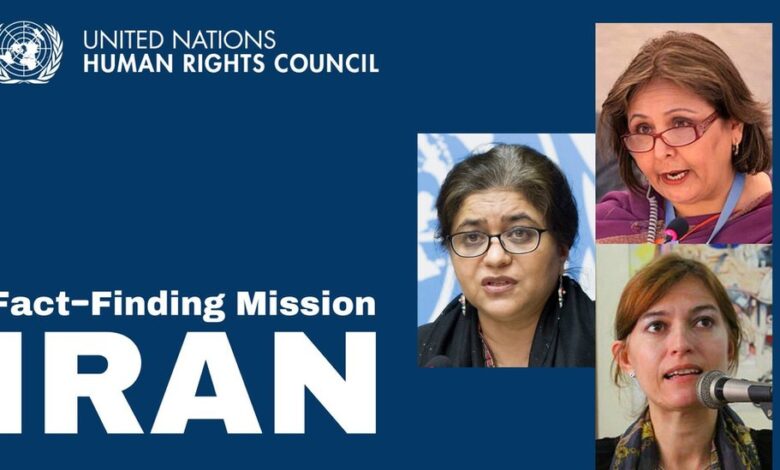
این هشدار از سوی هیئت مستقل بینالمللی حقیقتیاب درباره ایران صادر شده؛ هیئتی که به دستور شورای حقوق بشر سازمان ملل برای بررسی موارد نقض حقوق بشر در سرکوب اعتراضات تشکیل شده است. این گروه از کارشناسان، اعلام کردهاند که گزارشهای معتبر و متعددی دریافت کردهاند که نشان میدهد زندانیان در بازداشت نهادهای امنیتی جمهوری اسلامی در شرایطی بهمراتب خطرناکتر از گذشته قرار گرفتهاند.
در بیانیه این هیئت آمده است: «چندین نفر دیگر نیز با خطر اعدام مواجه هستند؛ در روندهایی که ناقض استانداردهای بینالمللی دادرسی عادلانه، حقوق دادرسی قانونی و حق حیات است.»
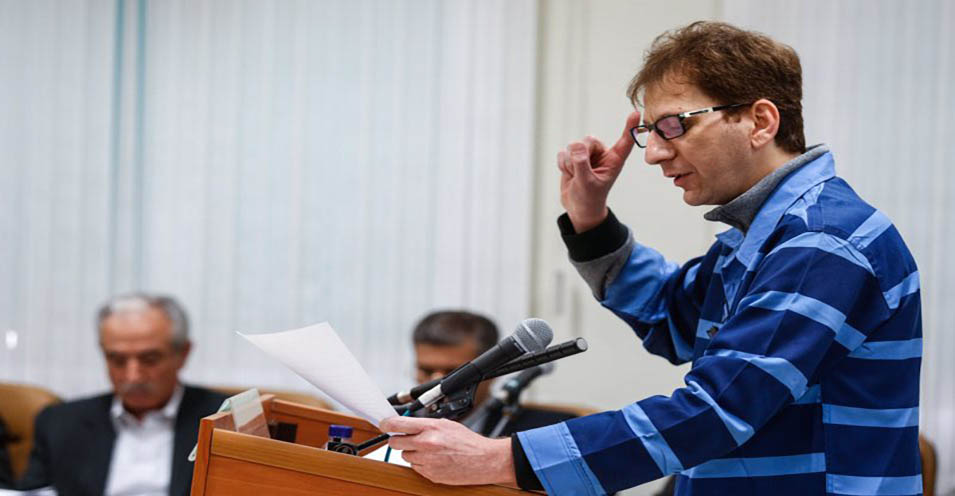
به گفته این کارشناسان، یکی از نگرانیهای اصلی، استفاده حکومت از روندهای قضایی سریع و غیرشفاف است؛ روندهایی که ممکن است به صدور احکام مرگ برای معترضان بازداشتشده منجر شود. تجربه سالهای گذشته نشان داده که دادگاههای موسوم به «انقلابی» در ایران، بارها بدون رعایت اصول دادرسی عادلانه، احکام سنگین از جمله اعدام صادر کردهاند.
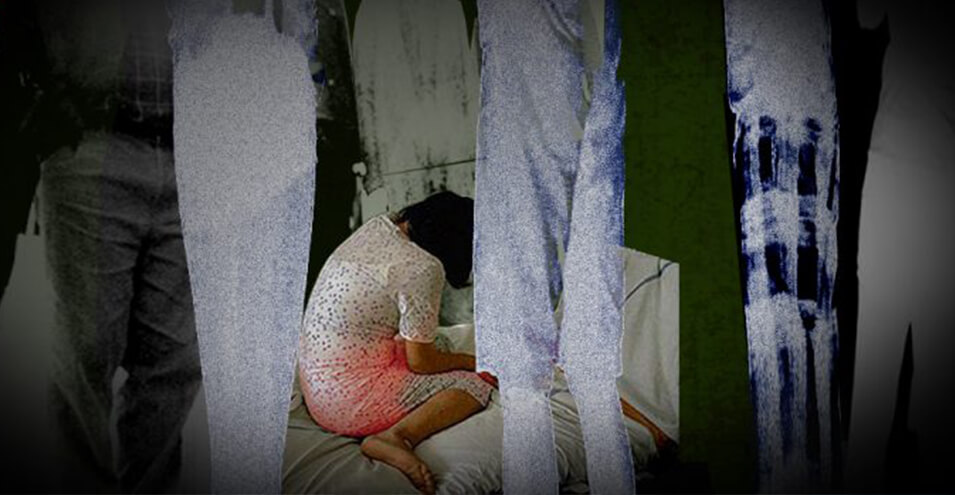
این هیئت هشدار داده که بسیاری از زندانیان بهویژه کسانی که در جریان اعتراضات گسترده در شهرهای مختلف ایران بازداشت شدهاند، ممکن است در دوران بازداشت با شکنجه، بدرفتاری و حتی ناپدیدسازی قهری روبهرو شوند. چنین اقداماتی طبق قوانین بینالمللی مصداق نقض جدی حقوق بشر محسوب میشود.
کارشناسان سازمان ملل تاکید کردهاند که وضعیت کنونی زندانیان در ایران، در شرایطی رخ میدهد که حکومت پیشینهای مستند از سرکوب شدید اعتراضات مردمی دارد. در سالهای اخیر گزارشهای متعددی از سوی نهادهای حقوق بشری درباره بازداشتهای گسترده، محاکمههای نمایشی و استفاده از مجازات اعدام علیه معترضان منتشر شده است.
به گفته بازرسان سازمان ملل، شهروندان ایران اکنون در وضعیتی قرار گرفتهاند که از یک سو با پیامدهای یک بحران نظامی رو به گسترش مواجهاند و از سوی دیگر با حکومتی روبهرو هستند که سابقه طولانی در نقض حقوق بنیادین مردم دارد. این شرایط، نگرانیها درباره امنیت و آینده زندانیان سیاسی و معترضان بازداشتشده را افزایش داده است.
همزمان با این تحولات، تنشهای منطقهای نیز تشدید شده است. گزارشها حاکی از آن است که تبادل حملات میان ایران، اسرائیل و ایالات متحده، برای چندین روز ادامه یافته و خطر گسترش یک جنگ منطقهای را افزایش داده است. چنین درگیریهایی میتواند کشورهای بیشتری در خاورمیانه، از جمله برخی کشورهای حوزه خلیج فارس را درگیر کند.
هیئت حقیقتیاب سازمان ملل همچنین نسبت به حملات تلافیجویانه جمهوری اسلامی علیه اهدافی در منطقه ابراز نگرانی کرده و هشدار داده است که این اقدامات به کشته شدن غیرنظامیان و تخریب زیرساختهای غیرنظامی منجر شده است.
در این بیانیه تاکید شده است: «تمام طرفهای درگیر در این منازعه، ملزم به رعایت حقوق بینالملل بشردوستانه هستند.»
کارشناسان سازمان ملل یادآور شدهاند که هرگونه عملیات نظامی باید اصول اساسی حقوق بشردوستانه از جمله تمایز میان اهداف نظامی و غیرنظامی، تناسب در استفاده از زور و اتخاذ تدابیر احتیاطی برای حفاظت از غیرنظامیان را رعایت کند.
در میان گزارشهای منتشرشده، برخی منابع از حملات مرگبار به مناطق غیرنظامی خبر دادهاند. در یکی از مرگبارترین حوادث گزارششده، گفته میشود موشکی به مدرسهای در شهر میناب در جنوب ایران اصابت کرده است؛ حادثهای که بنا بر گزارشها، به کشته شدن بیش از ۱۵۰ دانشآموز و معلم و زخمی شدن شمار زیادی انجامیده است. این رویداد، نگرانیهای گستردهای درباره امنیت غیرنظامیان در جریان درگیریهای جاری ایجاد کرده است.
با این حال، کارشناسان سازمان ملل تاکید کردهاند که فراتر از تهدیدهای ناشی از جنگ، جان زندانیان نیز در معرض خطر مستقیم قرار دارد. به گفته آنان، حمله احتمالی به مراکز بازداشت میتواند فاجعهای انسانی ایجاد کند. این نگرانی با اشاره به حمله پیشین به زندان اوین در تهران در ژوئن ۲۰۲۵ مطرح شده است؛ حملهای که خطرات جدی برای زندانیان ایجاد کرد.
یکی دیگر از محورهای انتقاد این هیئت، قطع گسترده اینترنت و ارتباطات در ایران است. کارشناسان سازمان ملل گفتهاند که این اقدام نهتنها دسترسی شهروندان به اطلاعات حیاتی درباره حملات و وضعیت امنیتی را محدود میکند، بلکه خانوادهها را نیز از برقراری تماس با نزدیکان بازداشتشده محروم میسازد.
به گفته آنان، در شرایط بحرانی، دسترسی آزاد به اطلاعات میتواند برای امنیت شهروندان و عملیات امدادی اهمیت حیاتی داشته باشد. قطع ارتباطات، جامعه را در وضعیتی از انزوا قرار میدهد و امکان نظارت مستقل بر وضعیت حقوق بشر را نیز کاهش میدهد.
در پایان، هیئت حقیقتیاب سازمان ملل از کشورهای عضو این سازمان خواست که برای کاهش تنشها و جلوگیری از گسترش بحران، اقدامات دیپلماتیک فوری انجام دهند. این کارشناسان تاکید کردهاند که تنها راه حفاظت از حقوق مردم ایران، دستیابی به صلحی پایدار و مبتنی بر احترام کامل به قوانین بینالمللی است.
در بیانیه این هیئت آمده است: «صلحی پایدار مبتنی بر احترام کامل به حقوق بینالملل، از جمله حقوق بینالملل حقوق بشر و منشور سازمان ملل، تنها راه پایدار برای حفاظت از حقوق مردم ایران است.»
هیئت مستقل حقیقتیاب درباره ایران نخستین بار در نوامبر ۲۰۲۲ توسط شورای حقوق بشر سازمان ملل تشکیل شد تا موارد نقض حقوق بشر مرتبط با سرکوب اعتراضاتی را که از سپتامبر همان سال آغاز شد بررسی کند. ماموریت این هیئت در ژانویه ۲۰۲۶ برای دو سال دیگر تمدید شد تا تحقیقات درباره اتهامات ادامهدار نقض گسترده حقوق بشر در ایران ادامه یابد.