Soaring Inflation: The Result of Botched Economic Surgery
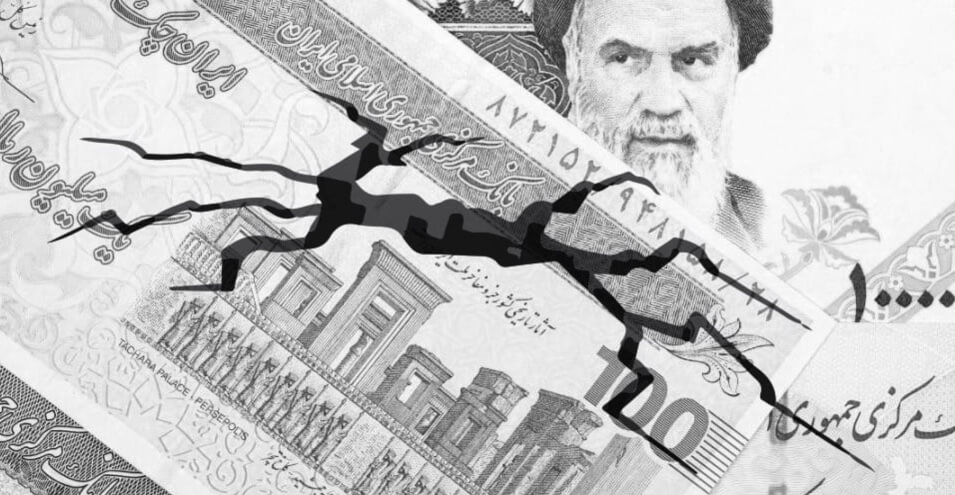
A faculty member at Shahid Chamran University of Ahvaz attributed the peak of inflation to the implementation of a failed shock therapy policy, increased international tensions, and the weakness of the government’s economic team, saying: “It was natural for inflation to rise, because they implemented a failed policy in the worst possible way possible.”
Seyyed Morteza Avaghei added: “A large number of market-oriented economists insisted on pushing the thirteenth government toward a failed version of economic surgery, and the government, due to severe budget deficits and unfamiliarity with the requirements of Iran’s economy, took this action whose results we are witnessing.”
This university professor attributed another cause of the inflation record to excessive lack of expertise, saying: “Mr. Raisi has no understanding of the implementation arena and its problems and complexities, and based on his judicial background, he imagines that the economy can be managed through orders and circulars.”
He emphasized: “The government’s economic team, including the head of the Planning and Budget Organization, the head of the Central Bank, and the first vice president, does not know the basics of economics at all. Those who have studied economics have no implementation experience, or they have an imaginary notion of economics that results in false promises.”
In this regard, economist Hossein Raghfar, referring to the reported inflation rate of 52.5 percent during the first year of the thirteenth government, said: “Those whose neck veins were bulging in defense of the increase in the exchange rate and the elimination of the 4,200 toman exchange rate should now be accountable for the political and social consequences of the decision they made.”
Stating that the economy has been abandoned in the thirteenth government, he emphasized: “This increase in the inflation rate is naturally a result of eliminating the 4,200 toman exchange rate and chaos in the country’s economy, and it has now been proven that Iran’s economy has come under the influence of power and wealth currents.”
Simultaneously, Abdolnasser Hemmati, the former head of the Central Bank of the Islamic Republic, wrote on his Twitter account in response to the economic situation and inflation in recent months:
“Parliament: The prices of essential goods should return to the 4,200 toman rate by Shahrivar 1400. Justice Minister: Prices should return to March 20, 2021. In contrast, the president, by postponing the rest of the price increases to next year, keeps the torch of inflationary expectations burning. Economics, like any science, cannot be deceived or governed by orders.”
Ibrahim Raisi, the head of the thirteenth government, who announced in March that only 4 goods would become more expensive with the elimination of the preferential exchange rate, is now, following the unchecked surge in inflation and the pressure of rising prices on people, saying that he will raise the prices of other goods next year to reduce the pressure on people.