Iran ranks among the "lowest" in internet freedom in the world
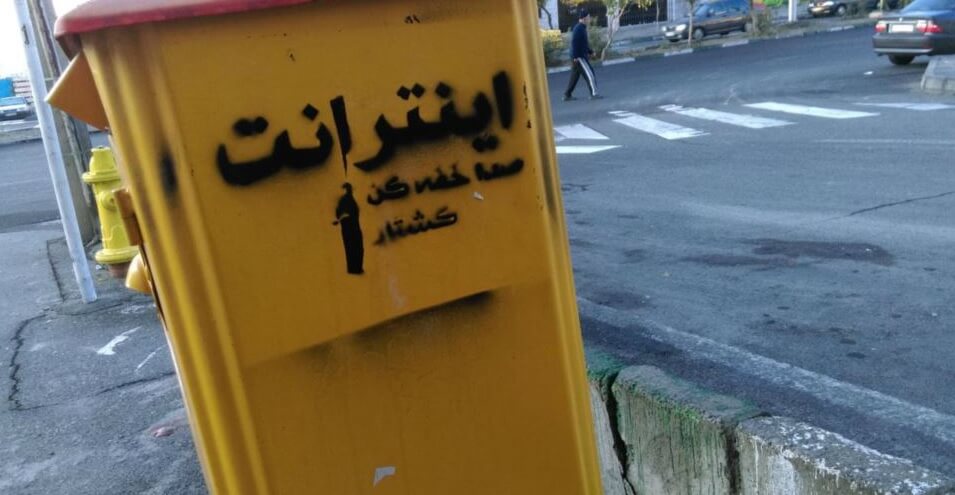
Freedom House, in its annual report on Internet freedom in the world, published on Wednesday, October 13, once again named Iran as one of the worst countries with the least internet freedom.
This American civil society organization referred to the suppression of protesters in November 2019 in Iran in its report and said that the government of the Islamic Republic cut off its citizens' access to the internet to suppress the protests.
In late November 2019, following the spread of street protests in more than a hundred cities in Iran, sparked by a protest against a threefold increase in gasoline prices, global internet access was only about five percent for at least five days.
Freedom House, in its report, pointed out that some governments have increased the intensity of Internet control and censorship under the pretext of the Corona pandemic, emphasizing that Iran, Russia, and China ignore citizens' private sphere and have access to users' sensitive information under the pretext of maintaining security.
The Freedom House report also expressed concern about moves in China and Iran to build domestic internet and cut off connections with the free world.
Iran has attempted to shut down the internet several times in the past year. In July of this year, when tens of thousands of Iranians took to social media to demand the cancellation of the execution of three protesters in Aban, the Islamic Republic disrupted the internet again.
On July 17, the internet was shut down again, coinciding with another round of protests in several Iranian cities.
Some analysts say that the internet shutdown in a country of 80 million people is the first such case of effectively isolating an advanced and developed domestic internet network in a country in the world.
For years, the Iranian government has been trying to implement a plan to separate the domestic Internet (intranet) from the global Internet, mostly for security reasons and under the name of "national network."
According to estimates by the Research Center of the Islamic Consultative Assembly, a total of about 19 trillion tomans has been spent on creating the national internet until last year.
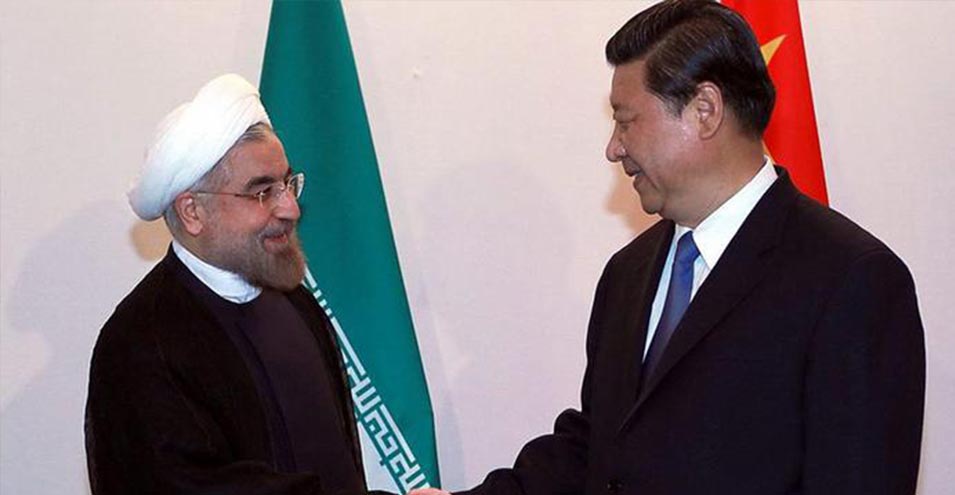
In this context, the head of the Iranian Parliament's Internal Affairs Commission said on September 11 that the draft of the 25-year cooperation document between Iran and China also mentions the national internet "under the title of cooperation between the two countries in developing cyberspace."
The draft of the 25-year Iran-China cooperation document, which was approved by the Iranian cabinet on July 1, has been one of the controversial documents that has been heavily criticized by some critics of the Rouhani government as well as opponents of the Iranian government.
Meanwhile, Iranian President Hassan Rouhani said on December 7 that the national intelligence network would be strengthened to the point that "people will not need to go abroad to meet their needs."
However, Mohammad Javad Azari Jahromi, Iran's Minister of Communications and Information Technology, claims that "the national internet is a big lie and a lie that has been repeated many times."
According to reports from other international organizations, the Iranian government is among the most active governments in the field of cyber repression.
According to a report published by Reporters Without Borders on March 11, 2019, Iran's "Supreme Council for Cyberspace" is one of the main institutions of cyber repression.
This council, which was established by order of the Leader of the Islamic Republic and is the main decision-maker regarding the Internet, uses methods such as "controlling the Internet and selective access, filtering news websites, and applications such as Telegram, Signal, WhatsApp, Facebook, and Twitter" to suppress cybercrime.
Source: Radio Farda