Approval of the government's resolution on the rent ceiling; a non-expert decision?
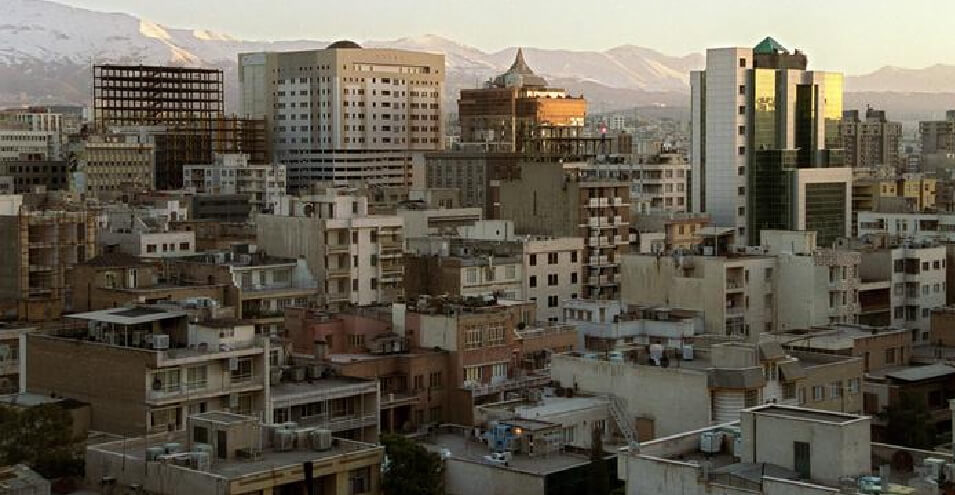
The approval of the government's resolution to increase rents in Iran by the heads of the three branches of government has become a hot topic of discussion in the media and social networks. Experts say that this resolution is a sign of the government's inability to solve the housing crisis.
On Saturday evening, June 18, the Supreme Council for Economic Coordination of the Islamic Republic, with the presence of the heads of the three branches of government, approved the government's resolution to set a rent ceiling.
Based on this resolution, landlords can increase rents by up to 25% annually in Tehran and by up to 20% in other cities in Iran.
Rostam Ghasemi, Minister of Roads and Urban Development, recently admitted on his personal Twitter page: “The sharp knife of rent is on the neck of the vulnerable segment, and removing it requires a jihadi, major movement, and a cross-ministerial action.” In this regard, he referred to the “new package to exit this crisis with the cooperation of experts,” which has now been approved by the heads of government.
The government’s decision has become a hot topic of discussion on social media and domestic media in Iran. Many social media users have accused the government of failing to address the housing crisis and have written about the “staggering rents” they and their relatives are facing. Various media outlets have also responded to the government’s decision with alarming headlines such as “Mr. President, rents are crushing tenants” or “The season of tenants’ torment.”
A decision based on the opinion of “experts”
According to Rostam Ghasemi, the ceiling is the result of “expert work by the Market Regulation Committee.” While the committee’s experts have concluded that an annual increase of 25 or 20 percent is in line with inflation, there has been much debate about this in recent weeks, with many independent experts warning the government that such a move would not solve the housing rental problem. They have consistently emphasized that setting a rent ceiling depends on a variety of factors, including the balance of supply and demand in the housing market, as well as inflation.
A day before the government's approval of the resolution, the Deputy for Housing and Construction of the Ministry of Roads and Urban Development published statistics showing that the average rent per square meter of a residential unit in Tehran in May of this year had increased by 50% compared to the final months of 2017.
In this regard, Farhikhtegan newspaper wrote, citing the Statistical Center of Iran and the Central Bank, that in the last 10 years, housing rents in Tehran have increased 14 times, while household income has increased 12.6 times during this period.
The Arman Melli newspaper has also reached a conclusion contrary to what the experts of the Market Regulation Center have found. The newspaper quotes a member of the Real Estate Consultants Union as saying: “In the past three years alone, the increase in rents has reached 300 percent, and a large part of this number has been in the last few months, and it can be said that rents have increased terribly in the past few months.”
A member of the Tehran Province Real Estate Consultants Union said: "Every year we witness a decline in the number of tenants living in one or more areas, which means frustration in society and cultural differences and conflicts in a residential area, which causes tension and inflammation."
"If this trend continues, we will witness a disaster in the rental housing market," he warned.
In Germany, the ceiling for rent increases over a three-year period cannot exceed 20%. In areas where the housing market is facing high demand pressure, the ceiling for rent increases over a three-year period is set at 15%.
Source: DW