Iranian government propaganda about equal rights for minorities at the Geneva meeting
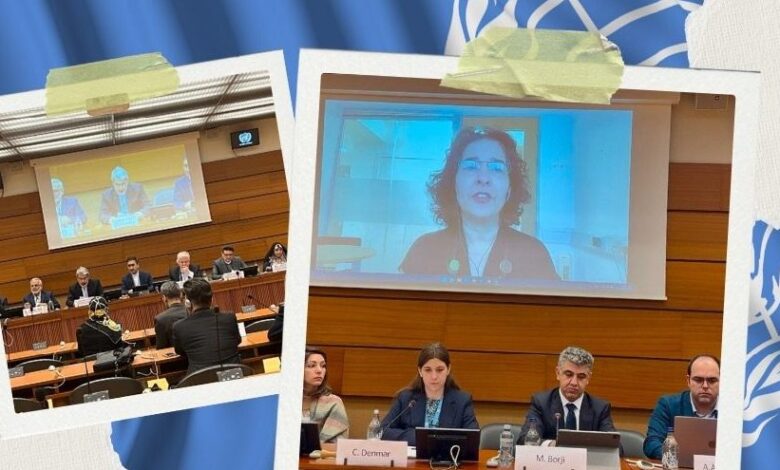
The speech of the Assyrian representative at the Geneva meeting on equal rights for minorities was considered by the audience to be government propaganda.
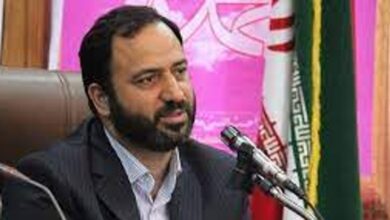
Following the Geneva meeting, the Assyrian representative in the parliament from the Islamic Republic delegation attended the meeting and gave a speech about the equal rights of minorities in Iran, a claim that provoked a reaction from the Christians present at the meeting.
Three global Christian organizations and Article 18 also attended the meeting, which discussed the situation of Christians in Iran. In addition to the aforementioned Christian organizations, two UN special rapporteurs also delivered their speeches via video.
"Charlie Anouietakieh, the Assyrian representative in the Islamic Consultative Assembly, also attended a separate session and presented his remarks on the position of the Islamic Republic. In his speech, he said: "According to the Constitution of the Islamic Republic of Iran, three religious minorities, Christians, Jews, and Zoroastrians, are recognized, and these minorities freely hold their religious ceremonies and have their representatives in the Assembly, and this indicates the acceptance of religious diversity and respect for the rights of minorities in the country's legal system."
The Assyrian MP's claim comes at a time when not only Christians (people who have converted from Islam to Christianity), but also Armenians and Assyrians are being repressed for participating in joint worship services with other Christians. MP Charlie Anoue, who was elected through the supervision of the Guardian Council, collaborated with the Ministry of Intelligence during the "Women, Life, Freedom" movement and contacted Assyrian protesters, asking them not to participate in the protests.
He also spoke about the equal rights of minorities with the majority, the economic, cultural, and scientific activities of minorities in Iran, and the "solidarity between the minority and the majority," but did not explain why the number of recognized religious minorities has reached one-third of the population compared to before the revolution, given that the country's population has doubled.
The representative of Article 18 at the Geneva meeting asked Charlie Anouar: "Does the equal rights you are talking about include Christian converts and members of unrecognized religious minorities who seek to share their faith with others?"
In response to this question, Charlie Anouar accused Victor Bettemers and Afshar Naderi of supporting evangelical Christians and being affiliated with Zionist Christianity, and said: "We, true Christians, have no problem in Iran. These are programs from the Zionist regime that distort the true face of Iran and cultivate such people who have no Christian nature or reality."
Charlie's remarks came at a time when the Islamic Republic regime has repeatedly arrested and imprisoned Christian citizens without providing any evidence or documents on charges of preaching evangelical Christianity and being affiliated with Zionist Christianity. However, he did not provide any explanation about the discriminatory laws, from employment to testimony in court and inheritance, regarding Assyrians and other official minorities, while discrimination against them in Iran was so widespread that "Yonathan Batkelia," a former Assyrian representative who was also considered a supporter of the government, had protested some of this discrimination.