Iranians and foreigners gather on the second anniversary of Mahsa Amini's murder
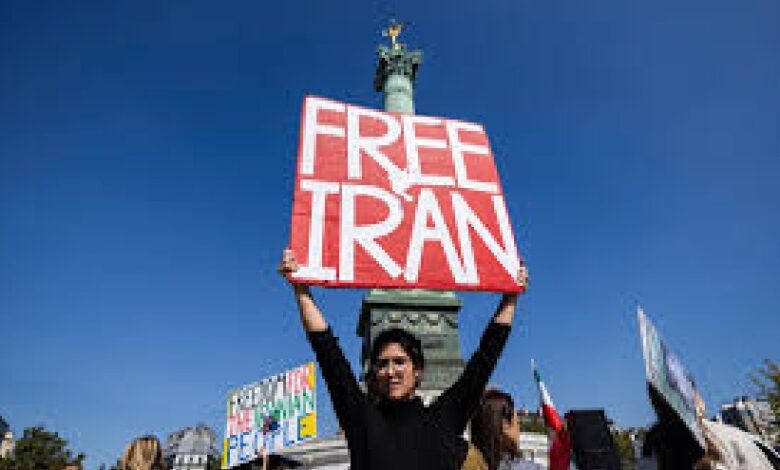
Iranians and Iranians living abroad gathered on the second anniversary of the murder of Mahsa Amini.
با توجه به اینکه دو سال از قتل حکومتی مهسا امینی (ژینا) میگذرد، اما بنابر گزارشات منتشر شده، روز گذشته یکشنبه 25 شهریور ماه مصادف با دومین سالگرد قتل «مهسا امینی»، مردم در نقاط مختلف داخل و خارج از کشور دست به تجمع زدند، به طوری که خانواده امینی تهدید شدند که در صورت ترک خانه به قصد رفتن بر سر مزار مهسا، بازداشت خواهند شد.
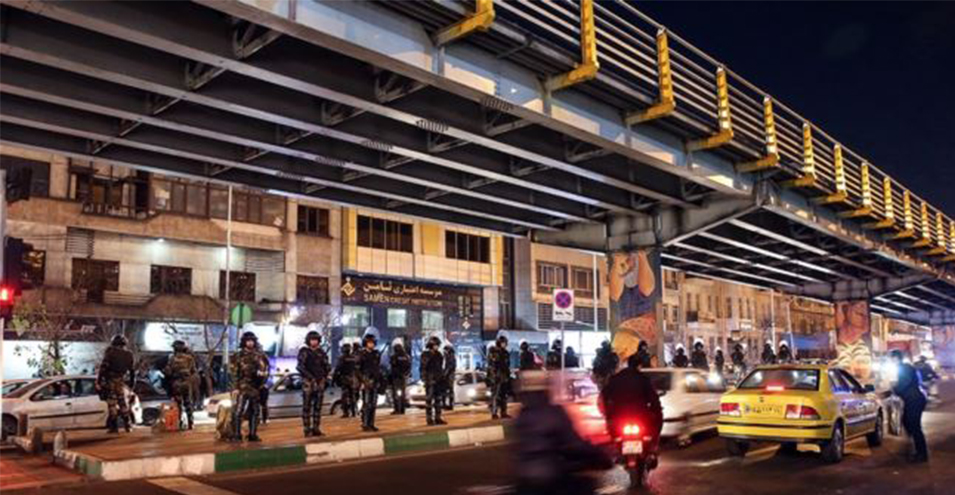
Security forces closed the roads leading to the Aichi cemetery where Mahsa is buried. In addition to the public gathering, marketers and merchants in the cities of Piranshahr, Oshnavieh, Dehgolan, Kamyaran, Kermanshah, Mahabad, Sanandaj, Saqqez, Divandareh, and Bukan also closed their shops and went on strike.
با توجه به اینکه بسیاری از بازداشتشدگان اعتراضات سراسری اکنون در زندانها به سر میبرند، اما همچنان با مردمی که در حمایت از جنبش زن، زندگی، آزادی دست به تجمع زدهاند، همراه شدند. 34 تن از زنان زندانی سیاسی که در بند زنان زندان اوین به سر میبرند، روز گذشته یکصدا با مردم معترض، علیه سیاستهای حکومت و سرکوب مردم دست به اعتصاب غذا زدند.
علاوه بر داخل کشور، ایرانیان ساکن در خارج از کشور نیز در شهرهای لندن، پاریس، برلین و لوسآنجلس دست به تجمع زدند. لازم به ذکر است که شورای شهر لوسآنجلس، از تغییر نام یکی از چهارراههای این شهر در محله ایرانیان، به چهار راه «زن، زندگی، آزادی» در روز گذشته 15 سپتامبر خبر داد.
Prince Reza Pahlavi also issued a message on the occasion of the second anniversary of Mahsa Amini's murder, writing: "Mahsa Amini's voice is still alive, and the path of all the immortal heroes of the homeland who sacrificed their lives for the freedom and pride of Iran continues."
The Pahlavi prince added to the Iranian people: "Shout out their glorious names. Share their stories of courage, support their brave families, and stand shoulder to shoulder against the Islamic Republic regime. Together we are stronger."
"Reza Alijani," an activist and political analyst, also said in response to this movement: "The Mahsa movement simultaneously marked two socio-cultural and political movements. This movement revolutionized Iran in the workplace, society, and among different classes, and dealt one of the most important blows in history to the deep patriarchy in society. Although the mandatory hijab was a symbol of the movement on its social and cultural level, the issue went beyond that and extended to the entire ignored rights of women. The process of convergence in society, between political and civil forces, and on the other hand, divergence within power, were among the political achievements of this movement."