Tehran's interim Friday prayer leader's new threat: "We will plow Tel Aviv and Haifa"
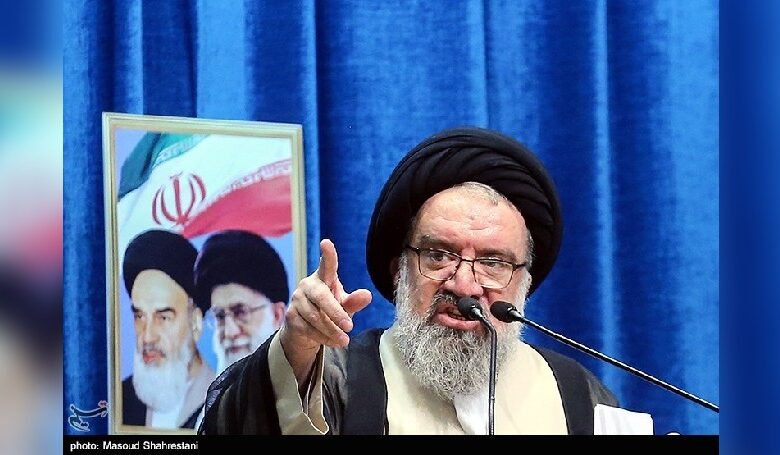
امام جمعه موقت تهران در واکنش به فشارهای غربی درباره برنامه هستهای و موشکی ایران گفت: «تلآویو و حیفا را شخم میزنیم.»
«آیتالله سیداحمد خاتمی» امام جمعه موقت تهران، در خطبههای نماز جمعه روز جاری ۱۱ مهر، با لحن تند و هشدارآمیز نسبت به اقدامات احتمالی غرب و اسرائیل سخن گفت و تاکید کرد که ایران در برابر هر گونه تهدید خواهد ایستاد.
وی در این سخنان با اشاره به فشارهای آمریکا و اروپا علیه برنامه غنیسازی و توسعه موشکی ایران، هشدار داده و گفت: «این ما هستیم که تلآویو و حیفا را شخم میزنیم.»
خاتمی در ادامه به مواضع وزارت خارجه آمریکا درباره غنیسازی و محدودیتهای موشکی پرداخت و با نقلقول مستقیم از سخنان خود گفت: «وزارت خارجه آمریکا به صراحت میگوید ایران نباید غنیسازی داشته باشد، اما باید گفت شما غلط میکنید مگر شما چکاره هستید؟ آمریکا امروز میگوید غنیسازی نداشته باشید، فردا هم میگوید موشک دوربرد نداشته باشد که اگر حمله کردند بتوانند ایران را شخم بزنند، اما این احمقها نمیدانند که این ما هستیم که تلآویو و حیفا را شخم میزنیم.»
او همچنین به کارآیی مکانیسمهایی مانند «اسنپبک» اشاره کرده و اظهار کرد که آمریکا و اروپاییها قادر به وارد آوردن فشارهای موثر بر ایران نیستند. وی ادامه داد: «آمریکا ۴۷ سال هیچ غلطی نتوانست بکند و اروپاییها هم با فعال کردن اسنپبک هیچ غلطی نمیتوانند بکنند.» این جمله نیز در گزارشهای رسانههای فارسیزبان منعکس شده است.
این سخنان در بستر درگیریهای طولانیمدت ایران و اسرائیل و تشدید تنشها با ایالات متحده مطرح شد. رسانههای بینالمللی نیز به بازتاب این تهدیدها پرداختند و آن را در ادامه الگوی تندروانه برخی روحانیون ایرانی نسبت به اسرائیل توصیف کردند. پیش از این نیز مواردی از اظهارات مشابه توسط چهرههای ایرانی منتشر شده بود که از تهدید به نابودی شهرهای اسرائیلی سخن گفتهاند. نمونههایی از این دست، در سالهای گذشته نیز گزارش شده است.
از منظر حقوق بینالملل و سیاست بینالملل، چنین اظهاراتی میتواند به تشدید نگرانیها درباره ثبات منطقه و پیامدهای امنیتی برای غیرنظامیان بینجامد. ناظران سیاسی میگویند ادبیات تهدیدآمیز بهویژه وقتی از زبان مقامهای رسمی شنیده میشود، ریسک بروز واکنشهای تندتر در داخل و خارج را افزایش میدهد و روند گفتوگوهای دیپلماتیک را دشوارتر میکند.
شایان توجه است، در حالی که مقامهای رسمی و نهادهای مذهبی در ایران چنین مواضعی را تکرار میکنند، گروههای مدنی و رهبران دینی مسیحی در منطقه و فراتر از آن، معمولا بر اهمیت حفاظت از غیرنظامیان، گفتوگوی بیندینی و تلاش برای کاهش تنشها تاکید دارند. انعکاس این دیدگاهها و واکنشها میتواند تصویری متوازن از تاثیرات احتمالی این اظهارات بر جوامع مسیحی و مسیحیان ساکن منطقه ارائه کند.