Two doctors in Isfahan convicted of "selling 607,000 fake Chinese prostheses"
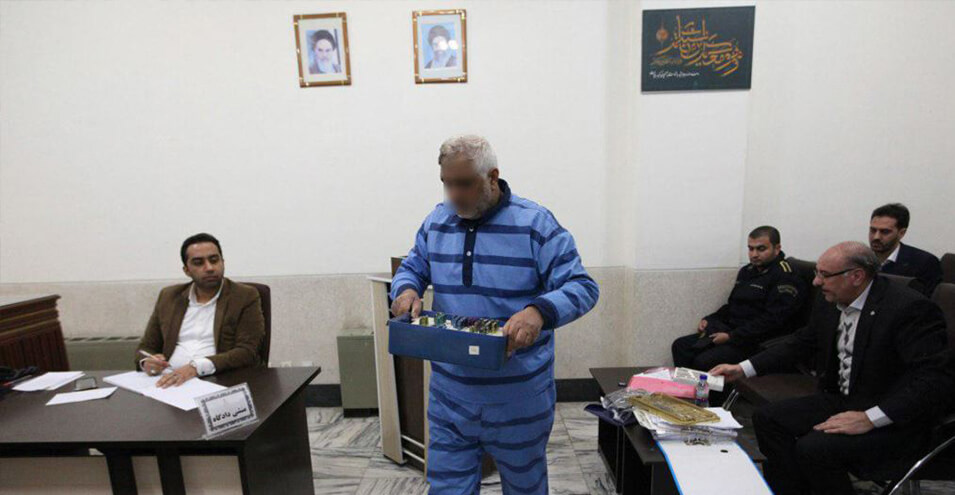
A medical couple in Isfahan were sentenced to 30 years in prison and 120 billion tomans in fines by special courts on charges of "economic disruption" in the province.
Ahmad Khosravi Vafa, the Chief Justice of Isfahan, announced the sentences of these individuals, saying that their sentences are final and unchangeable, and that the amount of their fines will be collected for the benefit of the government.
The first defendant in this case has been identified as Hamidreza Jan Ghorban, who has been sentenced to 20 years in prison and a fine of 1,200 billion rials on charges of "disrupting the country's economic system through smuggling medical equipment, skeletal implants, and prostheses."
Azadeh Sajjadieh, his wife, who is a dermatologist, has also been sentenced to 10 years in prison as a second-degree defendant on the same charge.
The details of the charges against the two include "smuggling low-quality and counterfeit medical parts and illegal imports from China, printing labels made in European countries and installing them on counterfeit parts, and paying commissions to doctors to install these parts in patients' necks and spines."
The two doctors are also accused of "selling more than 607,500 counterfeit implants and prostheses and discovering 60,000 of these parts, forming multiple fake companies to import and sell parts, selling substandard goods to patients at prices ranging from three to nine times higher than the original price, and disrupting the economic system by forming organized professional smuggling gangs."
As announced by the head of the Isfahan Provincial Court, the value of the smuggled goods by these individuals is more than 200 billion tomans, and the two doctors have also engaged in "tax evasion."
According to Khosravi Vafa, both defendants "are currently in prison, and the sentence against both defendants is being enforced, and the defendants' imprisonment has begun."
There are several other defendants in this case who acted as "accomplices" in committing the crime, and the Isfahan Justice Department has announced that it is investigating their charges.
According to the Iranian Broadcasting Agency, so far, seven private plaintiffs who have suffered physical injuries as a result of these counterfeit parts have filed complaints with the Isfahan Prosecutor's Office.
Following the approval of the Leader of the Islamic Republic to the proposal of Sadegh Larijani, the head of the Iranian judiciary, to form a special court with the presence of three judges from the Revolutionary Court to hear the case of "corruptors and economic disruptors" since August of this year, these courts have tried many people.
According to Ayatollah Khamenei's order, the verdicts issued by these courts, with the exception of executions, are "final and binding." However, death sentences issued by these courts have been confirmed and carried out in some cases, including those of two individuals referred to as the "Sultan of Coins" and the "Sultan of Tar."
Iran's economy has faced severe turbulence and tensions in recent months, following US President Donald Trump's decision to withdraw from the JCPOA.
The rial has lost its value significantly against the dollar, the price of coins and other goods has increased, and a wave of protests has taken place in several Iranian cities.
Those close to the Leader of the Islamic Republic see the country's economic problems not as being due to US sanctions, but rather as being due to the government's "weak" performance and, in their words, "abuse by profiteers."
The head of Iran's judiciary also wrote in his letter to Ayatollah Khamenei that "the current special economic conditions are considered a form of economic war" and "any suspension or reduction of punishment for economic disruptors and corruptors is prohibited."
Source: Radio Farda