The death of "Somaiyeh Rashidi", a curtain of organized crime in the prisons of the Islamic Republic
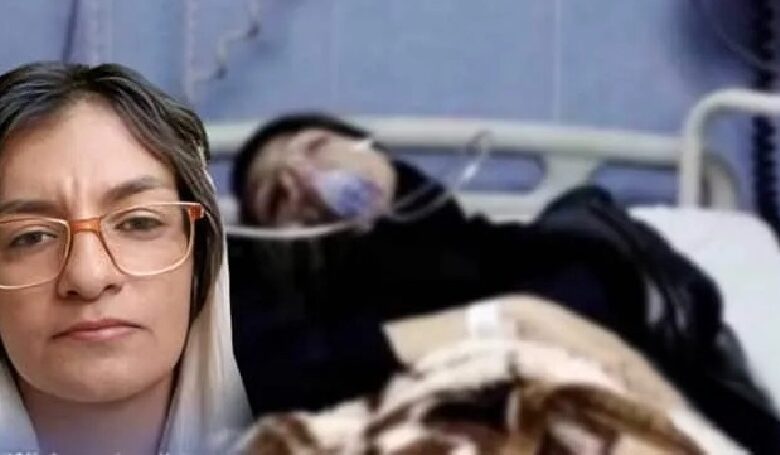
The warning of political prisoners regarding the death of Somayeh Rashidi revealed an organized crime that is part of the Islamic Republic's systematic repression.
The death of Somayeh Rashidi, a political prisoner imprisoned in Qarchak Prison in Varamin, has sparked a wave of anger and protest among political prisoners and civil activists. While the judiciary has published its version of her death as a result of “illness,” political prisoners and independent sources say she was the victim of deliberate deprivation of treatment and deliberate neglect by the authorities.
In a statement signed by 45 female political prisoners in Qarchak, the Islamic Republic’s official accounts of Rashidi’s death have been described as “distorted.” The women stressed that Rashidi had suffered from epilepsy since she entered prison and had suffered severe seizures many times, but each time she was returned to the ward alone instead of being hospitalized. The statement said that Rashidi was “full of desire for life and freedom” and that the lives of other prisoners in similar conditions are also in grave danger.
At the same time, political prisoners in Evin also called Rashidi's death an "organized crime" in a separate statement and demonstrated their protest by holding a sit-in and civil disobedience in the prison compound. They chanted slogans against the system and the judiciary, calling Rashidi a "symbol of resistance and oppression" and declared: "We pledge to keep alive the memory of him and other victims of this oppressive system. This voice will not be silenced."
The Islamic Republic's judiciary confirmed Rashidi's death on Thursday, October 25, but claimed that he had been sent to the hospital for additional treatment after receiving initial medical treatment in the prison's infirmary. This claim is in complete contradiction to the testimony of Rashidi's prisoners and relatives. According to an informed source, the prison doctor had repeatedly told him that he was drugging and instead of sending him to the hospital, they had only prescribed him neuroleptics.
The women political prisoners in Qarchak have clearly emphasized that Rashidi was neither an addict nor mentally ill, but rather a known epileptic. They also noted that judicial and security officials were aware of her critical health condition, but over the past five months, they have taken no action to release her on parole or secure her three billion tomans bail.
The signatories of the statement warned that: “Other prisoners are still being held alongside us and in other prisons of the Islamic Republic, and their health is at risk.” They pointed to the deaths of two other prisoners in Qarchak last week and called for the release of prisoners over the age of 60 and sick prisoners.
Human rights organizations, including the Iranian Human Rights Organization, HRANA News Agency, Narges Mohammadi, and Shirin Ebadi, also considered Rashidi's death part of the "silent massacre" in Iranian prisons and called for the closure of Qarchak Prison.
Rashidi’s death is just one example of a broader trend of prisoners being denied access to medical care in Iran. According to HRANA’s annual report, the number of political and conscientious prisoners denied access to proper medical care has increased eightfold in the past five years compared to the same period in the previous year. In 2024 alone, at least 412 cases of prison officials denying prisoners access to medical services were recorded.
Qarchak Prison in Varamin, known as the "Hell of Women," threatens the lives of more than 1,200 prisoners with its "money for treatment" policy. Today, this prison is not only a symbol of cruelty towards female prisoners, but also a testament to the Islamic Republic's organized policy of using "denial of treatment" as a tool to silence the voices of protesters.