Javed Rahman calls on the international community to hold Islamic Republic officials accountable for human rights violations in Iran
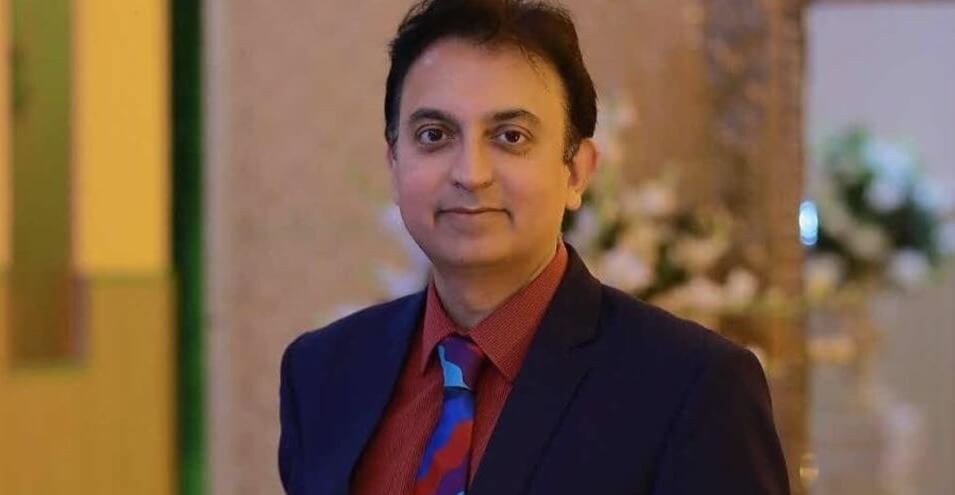
In his latest report, Javed Rehman, the UN Special Rapporteur on Human Rights in Iran, called on the international community to hold the authorities of the Islamic Republic "accountable" for human rights violations in Iran and events such as the executions of 2018 and the suppression of the November 2019 protests.
The report, which was prepared last month and will soon be presented to the UN Human Rights Council, expresses concern about the continued human rights violations in Iran last year, citing cases such as the confiscation of Baha'i citizens' assets, the shooting of kolbars and fuel carriers on the borders of Kurdistan and Sistan and Baluchestan, as well as the arrest of 500 Kurdish civil and political activists.
Human rights organizations say that the Islamic Republic of Iran executed several thousand political prisoners in 2018. The current president of Iran, Ebrahim Raisi, was a member of the death squad that decided the fate of the prisoners. According to human rights reports, hundreds of protesters were killed by the republic in 2019.
The UN Special Rapporteur on Human Rights in Iran also expressed concern about the situation of dual nationals who have been imprisoned with the intention of putting pressure on Western countries, and emphasized the violation of the right to freedom of expression, the increasing restrictions on the internet by the government and parliament, the closure of the media, and the arrest of citizen journalists in Iran.
Endangering the health of citizens by restricting access to contraceptives and abortions to increase the population are other issues mentioned in the report.
Noting that despite repeated requests, the Islamic Republic authorities have not yet granted him permission to travel to Iran, Javed Rahman said that he has gathered the available information by talking to relatives of the victims, as well as civil society activists.
Javed Rahman had previously stated in his report to the Third Committee of the UN General Assembly that some sentences issued in Iran, including death sentences, were based on forced confessions and confessions obtained under torture and were not issued on the basis of justice.
The Islamic Republic of Iran does not allow UN special rapporteurs on human rights into the country, but at the same time, it accuses them of smearing and politicizing their annual reports.
Source: Voice of America