Dozens of international judges and investigators demand an investigation into Raisi's role in the 1967 massacre
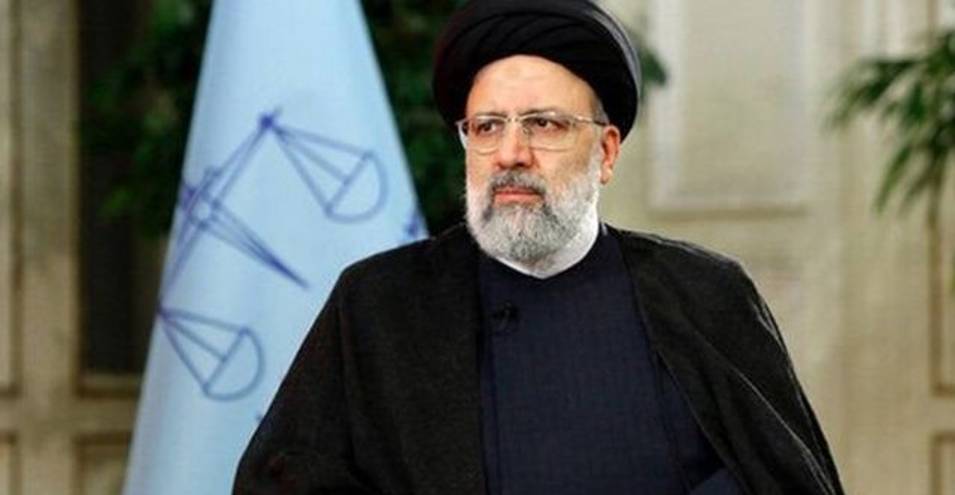
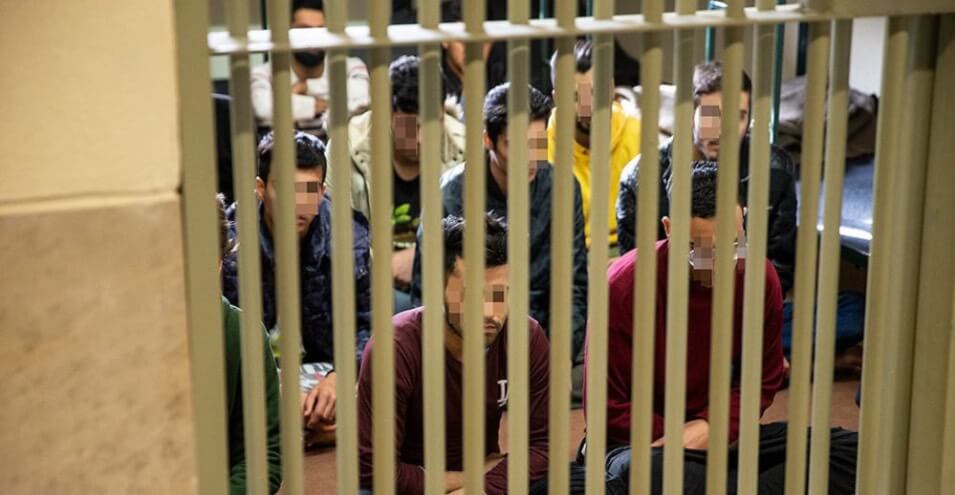
Former prominent UN judges and investigators have called on Michelle Bachelet, the organization's High Commissioner for Human Rights, to investigate the killing of political prisoners in Iran in the summer of 2018, and in particular the role of current President Ebrahim Raisi at the time.
The open letter from these prominent figures to Ms. Bachelet, published on Thursday, February 27, was signed by nearly 460 people, including Song Hyun-sang, former President of the International Criminal Court, and Stephen Rapp, former US Ambassador to the court.
The letter states that those involved in the massacre “continue to enjoy immunity. They include, among others, the current President of Iran, Ebrahim Raisi, and the head of the judiciary, Gholamhossein Mohseni Ejei.”
This letter, written by the human rights organization "Justice for the Victims of the 1967 Massacre in Iran," has also been sent to the UN Human Rights Council.
Ebrahim Raisi, who began his term as president in the summer of 1400, was one of four people who oversaw the murder cases of political prisoners in the summer of 2018.
When asked about his role in the killing of political prisoners in the 1960s, he said he was "proud" of his role in this regard.
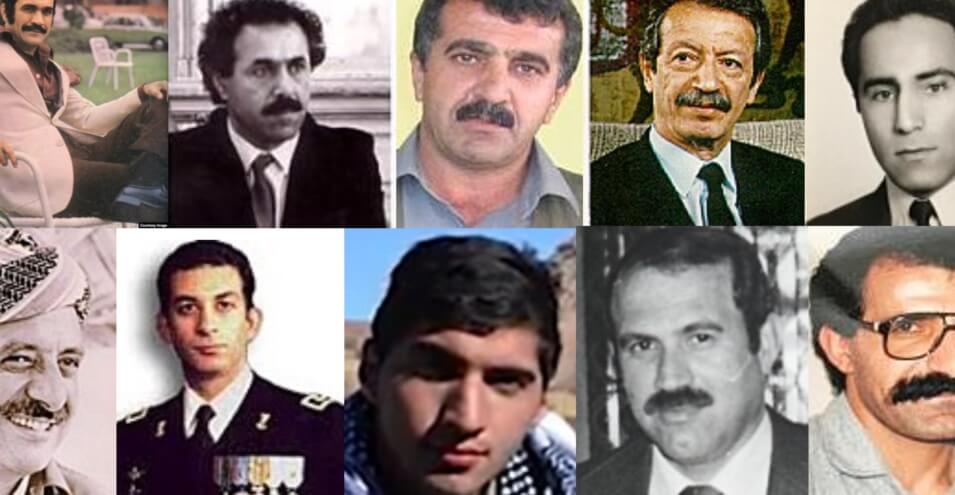
The main figures of this four-member delegation, known as the "Death Delegation", are the then Islamic Jurisprudence Judge Hossein Ali Nayiri, the then Prosecutor Morteza Eshraghi, the then Deputy Prosecutor Ebrahim Raisi, and Mostafa Pourmohammadi, the then representative of the Ministry of Intelligence in Evin Prison.
Their names are frequently mentioned by plaintiffs and witnesses during the trial of Hamid Nouri, who is accused of participating in the mass executions of political prisoners as a former assistant prosecutor at Gohardasht Prison in Karaj, and whose trial has been taking place in Europe in recent months.
هزاران زندانی سیاسی در دهه ۶۰، بهویژه در تابستان ۶۷، در زندانهای اوين و گوهردشت در تهران و زندانهای مشهد، شيراز، اهواز و برخی دیگر از شهرهای ايران با دستور مستقیم آیتالله خمینی، رهبر وقت جمهوری اسلامی، و با تصمیم هیئتهایی که به هیئت مرگ معروف شدند، اعدام شدند.
Many of those executed were supporters of the People's Mojahedin Organization (MEK), and a number of them were supporters of other leftist groups who had been imprisoned in the early 1960s. There are no exact figures for these executions, but according to Amnesty International, at least 4,482 men and women disappeared in a two-month period.
پیش از این نیز استروان استیونسون، نماینده سابق اسکاتلند در پارلمان اروپا و برخی خانوادههای زندانیانی که توسط حکومت ایران اعدام شدهاند، در درخواستی رسمی از پلیس این کشور خواسته بودند در صورت شرکت ابراهیم رئيسی در نشست تغییرات اقلیمی گلاسگو، وی را به اتهام «نسلکشی و جنایت علیه بشریت» بازداشت کند.
Source: Radio Farda