ISIS: We Will Destroy Egypt’s Three Pyramids
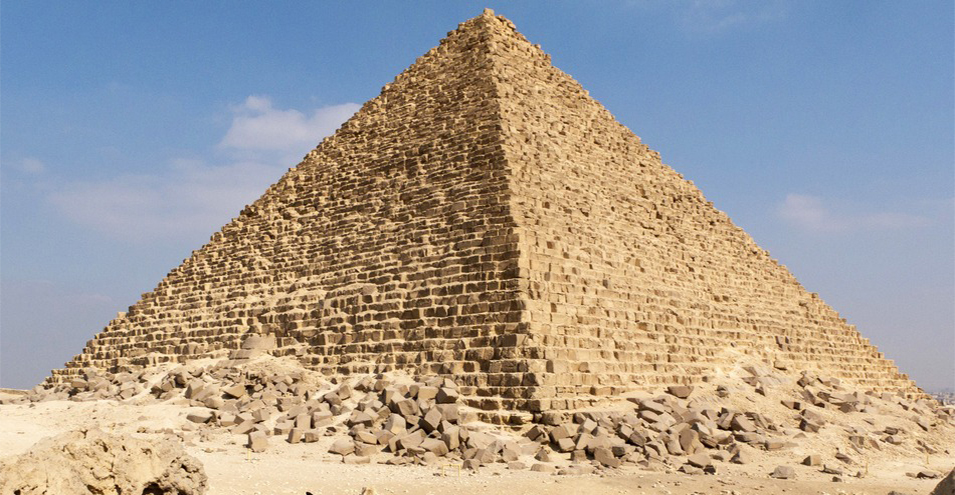
“Daily Mail” released a video in which an ISIS member, standing beside the ruins of the “Nabu” temple, declares that the group’s next target will be to destroy Egypt’s Three Pyramids. ISIS has so far inflicted severe damage to ancient monuments in Syria and Iraq.
The terrorist group “Islamic State” threatened in a newly released video that it will raze Egypt’s Three Pyramids to the ground.
According to the British newspaper “Daily Mail”, which released the video, ISIS forces recorded this video while destroying the ancient “Nabu” temple in the historic city of Nimrud in Nineveh Province.
The ten-minute video initially shows the ancient “Nabu” temple and the inscriptions carved on the walls of this historical site, which were destroyed by ISIS forces.
At the end of the video, a black-clad ISIS member, standing beside the ruins of this valuable ancient temple, threatens that the next target and goal of this terrorist group is Egypt’s Three Pyramids.
Experts say that ISIS terrorist forces, by combining footage of the destruction of the “Nabu” temple alongside this new threat, intend to convince viewers that they are serious in their threat to destroy one of the world’s most important ancient monuments and cultural heritage in Egypt.
The exact date of the release of this threatening video is unclear.
At the beginning of the current year, forces from the “Islamic State” group released several shocking videos of the destruction of the ancient city of Palmyra and the destruction of valuable ancient artifacts in the Mosul Museum, which provoked many reactions.
ISIS forces in Palmyra destroyed the famous “Bel” temple and inflicted serious damage to various sections of the ancient city’s center.
Syrian army forces on March 29 of the current year were able to retake control of Palmyra again after fierce fighting.
Before the outbreak of Syria’s civil war, Palmyra was one of the most important tourist destinations and one of the main attractions of the Middle East’s cultural heritage.
Source: DW