Human Rights Watch: UN should investigate bloody Aban crackdown
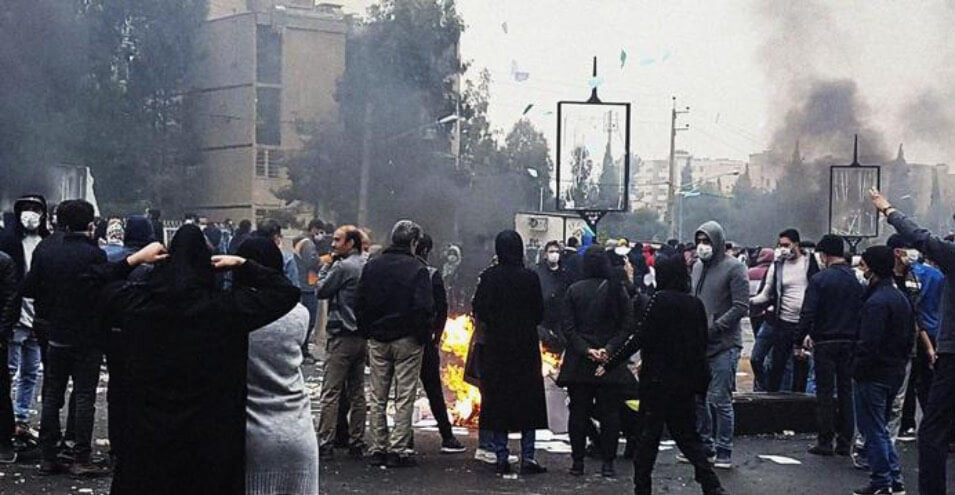
Human Rights Watch expressed concern over the Iranian authorities' failure to follow up on the bloody repression of the November 2019 protests, calling on members of the UN Human Rights Council to take immediate action to address these repressions.
More than three months after the nationwide protests in Iran in November, many international and human rights organizations and institutions are waiting for Iranian authorities to break their silence and transparently announce the number of casualties and detainees from these protests.
Human Rights Watch criticized the Iranian authorities' delay in holding the oppressors accountable in a statement released on Tuesday, February 25, and published a report on human rights concerns about the fate of those detained and killed.
The statement, stating that “Iranian authorities have failed to hold security forces accountable for the unlawful and excessive use of deadly force in response to the widespread protests in November,” called on members of the UN Human Rights Council to take urgent action to address this severe crackdown.
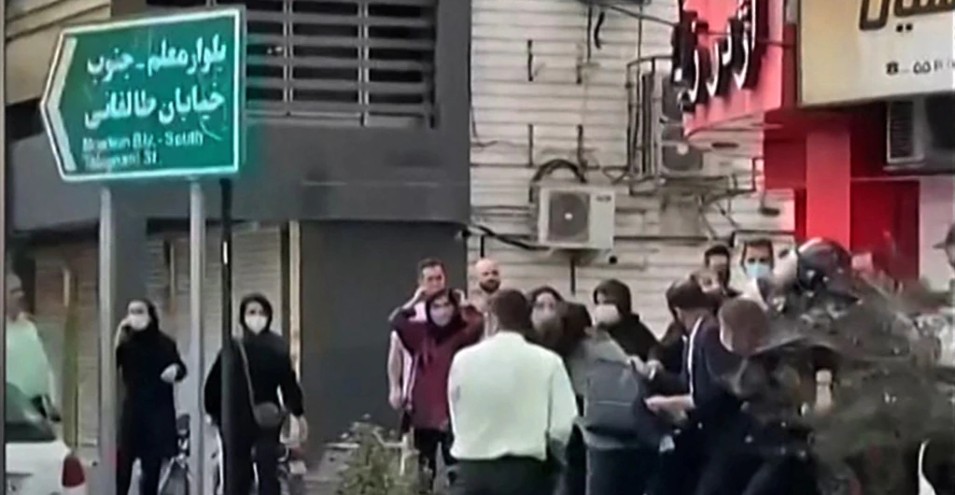
Human Rights Watch has said that, citing “photos and videos of protests posted on social media,” which are also verified by this human rights organization, it has found that special forces under the supervision of the Islamic Revolutionary Guard Corps, as well as special forces belonging to the National Security Force (NAJA), played a “major role” in the bloody repression of November across the country.
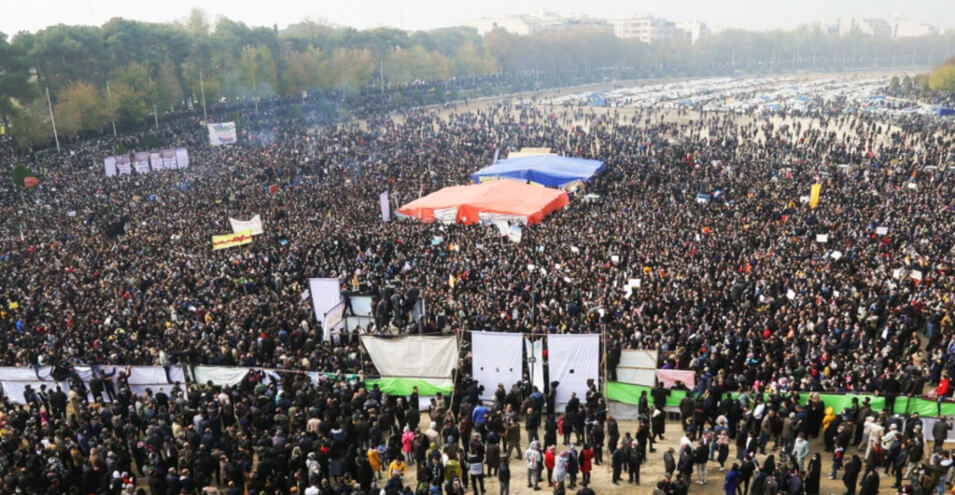
Nationwide protests began in many Iranian cities in November 2019 after a sudden increase in gasoline prices, resulting in the deaths of many citizens and the arrest of many others. Iranian authorities have so far refused to announce the exact number of those killed and arrested in these protests. Reuters recently reported, citing informed sources in the Islamic Republic government, that the death toll was 1,500.
In its statement, Human Rights Watch, citing Amnesty International, announced the number of dead at least 304 people, and quoting the HRANA news agency, the number was more than 100 people, and continued: "An Iranian parliamentarian put the number of dead at 170, but official media reported the deaths of at least 5 security forces during the protests. A parliamentarian said that about 7,000 people had been arrested."
Last week, after President Hassan Rouhani and the head of the Forensic Medicine Organization each named the other responsible for announcing the death toll, the Iranian government spokesman said that the figure would be announced “soon and by the competent authorities.”
Application of “unlawful violence with intent to kill”
Human Rights Watch also said that “interviews with victims and eyewitnesses, review of photos and videos of protests, and analysis of satellite imagery strongly indicate that security forces used unlawful violence with the intent to kill in at least three cases.”
Meanwhile, Michael Page, deputy Middle East director at Human Rights Watch, said: “Iranian authorities have systematically suppressed dissent for decades and are now responding to popular protests with astonishing levels of violence.”
He added: "Credible international voices must send a clear and compelling message that Iran cannot kill protesters with impunity."
Javed Rehman, the UN human rights rapporteur on Iran, and 15 other experts from the organization issued a statement on Friday, December 20, 2019, stating that reports of mistreatment of protesters were shocking and that they were deeply concerned about the disproportionate use of violent means by Iranian security forces in killing protesters.
In another part of its statement, Human Rights Watch pointed out that the crackdown on protesters in Iran was carried out after receiving a "green light" from Iranian authorities, and announced that after these crackdowns, Ali Khamenei, the Leader of the Islamic Republic of Iran, said that blood money should be paid to the families of those killed who were not present in the protests, and that the arrested protesters should be treated with "Islamic compassion."
“However, no part of Khamenei’s response to the events suggested that security forces would be investigated for the unlawful and excessive use of force,” Human Rights Watch added.
Previously, 23 human rights organizations had called for a special session of the United Nations Human Rights Council to launch an independent investigation into the critical human rights situation in Iran during and after the November protests.
"Beating of protesters in prison, issuing death sentences to at least three protesters, and threatening families not to give interviews to the media" after the bloody suppression of the protests are other issues that Human Rights Watch has pointed out, citing some reports.
Source: DW