Reuters: Rising Oil Prices Help Iran Buy Time for Return to JCPOA
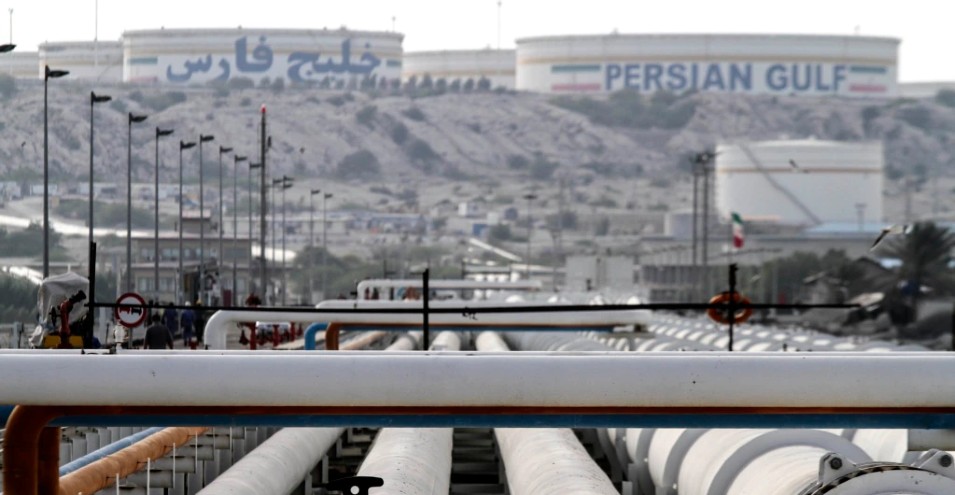
Reuters reported on Thursday, May 5, citing several officials familiar with Iranian government policies, that following rising oil prices due to the war in Ukraine, “the Islamic Republic’s religious leaders are in no hurry to revive the JCPOA and lift American sanctions.”
A senior Iranian official who requested anonymity told Reuters that the Islamic Republic’s nuclear activities “are proceeding on schedule” and time is in Iran’s favor.
The official, noting that Iran’s economy at present is no longer so dependent on reviving the JCPOA, emphasized that “if negotiations fail, the world does not come to an end” and if negotiations are resumed, in any case it will be a major advantage for Iran.
According to Reuters, although the Iranian government ostensibly still seeks to revive the JCPOA and consequently the gradual lifting of American sanctions, according to officials, rising oil prices in the global market have created an exceptional opportunity for increasing Iran’s foreign exchange revenues and reduces pressure on the country’s economy.
The Islamic Republic, due to the severe pressure of American sanctions on Iran’s economy that has led to widespread dissatisfaction among various segments of society, accepted conducting negotiations to revive the JCPOA more than a year ago.
Until late March it appeared that little distance remained to reaching a final agreement. However, since then negotiations have stalled due to the Iranian government’s insistence on a “last-minute” demand to remove the Islamic Revolutionary Guard Corps from the United States’ list of terrorist organizations.
Following the United States’ “unilateral” withdrawal from the JCPOA in 2018, the Trump administration imposed severe sanctions against Iran’s financial sector and oil exports.
Under the impact of these sanctions, known as “maximum pressure,” Iran’s oil exports fell from around 2.8 million barrels to 200,000 barrels per day.
The Iranian government also, in retaliation for American pressures, violated some of its commitments under the nuclear agreement known as the JCPOA from 2019 onwards and increased uranium enrichment by launching advanced centrifuges.
Based on U.S. estimates, Iran, with the accumulation of nuclear fuel necessary for producing atomic weapons, is only a few weeks away.
The Islamic Republic claims it seeks only the “peaceful” use of nuclear energy.
Status of Oil Exports in Iran in 2023
Jihad Azour, head of the Middle East department at the International Monetary Fund, told Reuters that “Iran’s economy in recent years has adapted itself to sanctions” and “rising oil prices and increased oil exports will increase Iran’s revenues.”
Global oil prices have risen sharply due to the Ukraine crisis, to the point that in March this year, the price of each barrel of Brent oil reached $139, which was an unprecedented increase since 2008.
In the budget approved last year in the Islamic Consultative Assembly, Iran’s oil export volume was estimated at around 1.2 million barrels per day based on a price of $60 per barrel.
However, according to reports from Iranian media, the current year’s strategic budget has been set based on an export volume of around 1.4 million barrels and a price of $70 per barrel.
Although Iran never officially announces its oil export volume, a senior official in Iran’s oil industry said that the country’s export volume has now reached around 1.5 million barrels per day, with the vast majority sold at discounted prices to China.
Some experts believe that Islamic Republic officials should know that recent openings will not be long-term.
Reaching an agreement in Vienna to end sanctions and their severe consequences for Iran’s economy is of great importance in terms of containing discontent within the country.
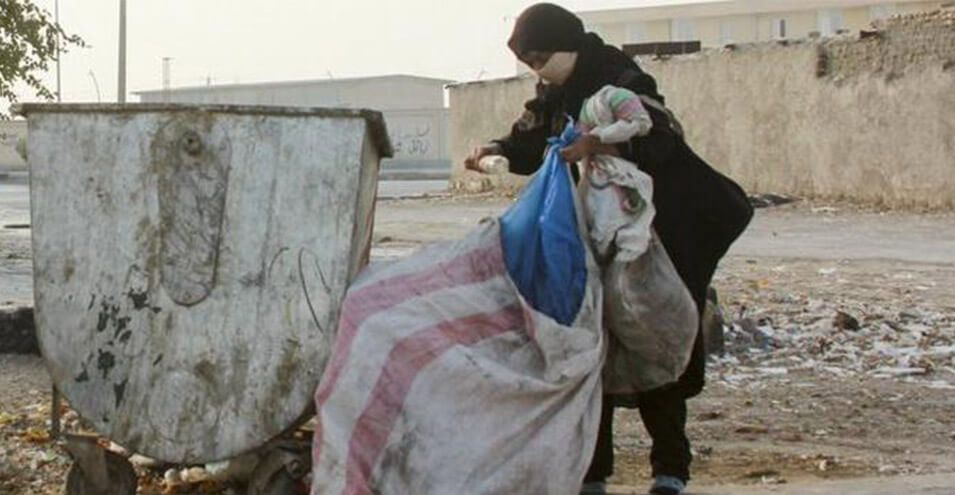
Inflation rates have risen sharply over the past three years, and experts believe that under the impact of uncontrolled price increases in essential goods, approximately half of Iran’s population now lives below the poverty line.
From the perspective of many experts, this situation is very dangerous and could confront the Iranian government with a serious crisis.
Source: Radio Farda