Trump's annual speech on threatening Iran: Redefining an enemy at the heart of the US Congress
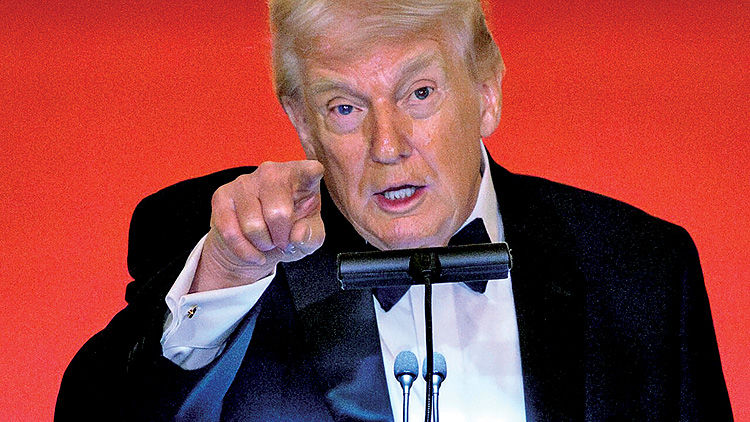
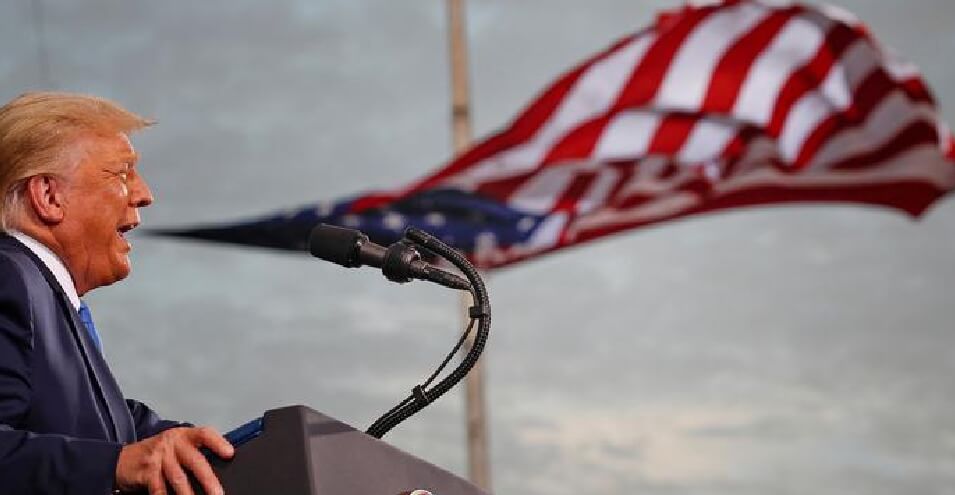
Trump's annual Iran-centric speech transformed the threat to US national security from a foreign policy debate into an argument for preemptive action.
In his latest State of the Union address, Donald Trump focused on Iran, a focus that went beyond a review of regional developments to a redefinition of the Islamic Republic’s place in US national security doctrine. What he said about Tehran was not simply a description of a regional rival, but an attempt to frame Iran as a “direct threat to US national security.”
In this framework, three main components were put together: “domestic repression, a history of conflict with American forces, and missile and nuclear threat.” This three-part framework creates a coherent narrative in which tough action is presented not as an optional option, but as a justifiable response.
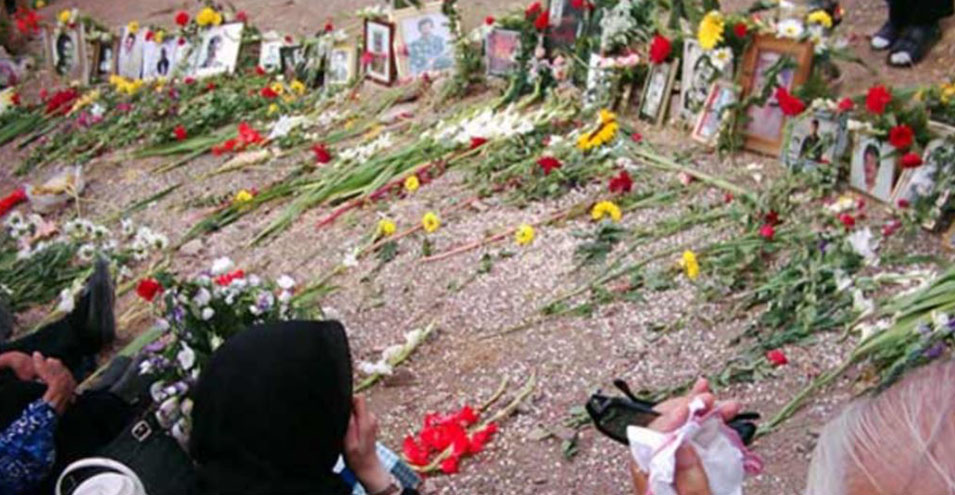
In part of his speech, Trump attempted to describe the Iranian government not only as a challenging actor, but also as a "dangerous and ruthless" regime, referring to the killing of at least 32,000 protesters and recounting scenes of shootings and executions.
Such a description elevates the confrontation with Tehran from a geopolitical competition to a moral one. In this narrative, a potential confrontation with Iran could take on the color and flavor of defending human values, rather than simply balancing power, in the minds of a segment of the American public.
On the other hand, he linked internal instability to external threats by pointing out that Iran is run by very dangerous individuals. His implicit message is: “A regime that uses widespread violence at home can follow the same logic abroad. As a result, the issue is not just regional politics, but also unpredictable and ideological in nature.”
Trump recalled the deaths and injuries of thousands of American soldiers by roadside bombs, invoking a past in which the Islamic Republic was directly responsible for harming Americans. His reference to the elimination of Qassem Soleimani also makes sense in this context; an action that brought Tehran-Washington tensions to a peak in 2020. But the turning point in his speech was when he said that Iran was developing missiles that could soon reach the United States.
In the American security literature, the moment a threat crosses regional borders and reaches American soil, the equation changes. As long as the danger is confined to the Middle East, it is easier to oppose military intervention; but when American cities are portrayed as potentially at risk, the discourse shifts from “choosing war” to “preventing disaster.”
In effect, Trump is rehashing the logic of preemptive action: “If we don’t react today, tomorrow may be too late.”
The US President reiterated that he “will never allow the world’s largest state sponsor of terrorism to obtain a nuclear weapon.” This statement is based on a long-standing consensus in Washington policy: preventing Iran from going nuclear, regardless of which party is in power.
He drew a repeating cycle, referring to “Operation Midnight Hammer” and the claim of destroying Iran’s nuclear program, then claiming that Tehran had started all over again: “We destroyed, they rebuilt. We warned, they didn’t listen.”
This framework places even potential negotiations in a special position. In his view, diplomacy is tried and tested, but Iran has not yet uttered those key words: “We will never have nuclear weapons.” In such a narrative, if the talks fail, the onus for failure will fall on Tehran.
This position can also be analyzed in light of Trump's decision in 2018 to withdraw from the JCPOA, an agreement he considered inadequate and promised to replace with maximum pressure.
Trump also emphasized that “my preference is diplomacy,” but added that “I will never hesitate to confront a threat to America.” The combination is a contemporary version of the “peace through strength” doctrine, an approach that has a long history in Republican foreign policy.
Such a framework would portray him as a leader who would first try the path of negotiation but not back down if he felt directly threatened. This message appeals to the conservative base: neither a ruthless warmonger nor a passive politician.
Overall, Trump's speech outlines three levels of legitimacy for any potential action:
- Moral legitimacy: confronting a government that he says is oppressing its people.
- Historical legitimacy: Responding to a past in which Americans have been harmed.
- Preemptive security legitimacy: preventing missile and nuclear threats against American soil.
With this combination, Iran is transformed from a regional issue into a national security issue for the United States. In such an environment, if the White House decides to take limited or broad action, it can present it not as entering a new war of choice in the Middle East, but as a necessary move to defend American citizens.
In other words, this speech was not simply a series of warnings, but an attempt to mentally prepare the public and Congress for a scenario in which, if diplomacy fails, military action would be presented as a justifiable option.