Aida Najaflou's spinal fracture and the therapeutic silence in Evin Prison
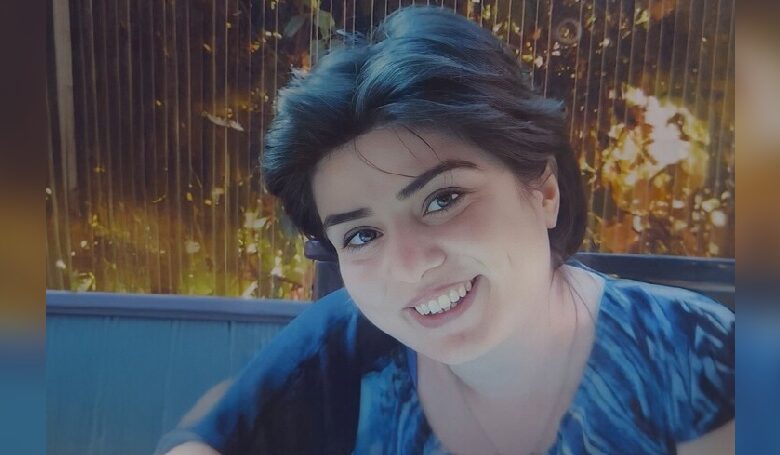
شکستگی ستون فقرات «آیدا نجفلو» شهروند مسیحی، نشاندهنده وضعیت وخیم زندانیان مذهبی و کمتوجهی درمانی در زندانهای ایران است.
آیدا نجفلو شهروند مسیحی محبوس در بند زنان زندان اوین، بامداد روز یکشنبه ۱۱ آبان ماه دچار سقوط از تخت شد و در پی این حادثه، مهره T12 ستون فقرات وی شکسته است. بر اساس گزارشهای منتشر شده، وی پس از سقوط ابتدا به بیمارستان طالقانی منتقل و تحت تصویربرداری قرار گرفت اما با وجود تشخیص شکستگی، بدون دریافت درمان مناسب به زندان بازگردانده شد.
پس از اعتراض سایر زندانیان سیاسی و عقیدتی، مسئولان زندان اوین وی را به بیمارستان شهدای تجریش منتقل کردند و پزشکان در آنجا عمل جراحی فوری پیشنهاد دادند و دوره درمان طولانیمدت همراه با مراقبت تخصصی و فیزیوتراپی برای وی پیشبینی شد.
نجفلو از تاریخ ۲۴ فروردینماه ۱۴۰۴ در زندان اوین نگهداری میشود. پیش از این نیز بهدلیل ابتلا به بیماری روماتیسم و دشواری استفاده از تخت دوطبقه، درخواست انتقال به تخت پایینتر کرده بود که درخواست وی بیپاسخ مانده بود.
گزارشها حاکی از آن است که خانم نجفلو در زمان بازداشت، دوران نقاهت یکی از عملهای جراحی سنگین را طی میکرد، اما ضابطان قضایی و قضات مربوطه از انتقال وی به بیمارستان و دریافت خدمات درمانی امتناع ورزیدهاند.
همچنین قرار وثیقهای معادل ۱۱ میلیارد تومان برای آزادی موقت وی تعیین شده بود که خانوادهاش توانایی مالی پرداخت آن را نداشتند و این مسئله دلیل اصلی ادامه بازداشت وی عنوان شده است.
شکستگی مهره ستون فقرات و تسریع وارد آمدن آسیب ناشی از سقوط از تخت، همراه با امتناع از درمان مناسب، نمونه بارز وضعیت بحرانی زندانیانی است که بهدلیل باورهای دینیشان در ایران زندانی شدهاند. درخواست انتقال به تخت پایینتر بهخاطر بیماری روماتیسم و بیتوجهی به آن، نشاندهنده ترکیبی از بیعدالتی و غفلت درمانی است.
همچنین تعیین وثیقه بسیار سنگین (۱۱ میلیارد تومان) و ناتوانی خانواده در تامین آن، نمادی از کاربرد روند قضایی و بازداشت موقت برای فشار به شهروندان مذهبی است.
این پرونده در بستر گستردهتری از سرکوب اقلیتهای مسیحی در ایران قابل فهم است. گزارشها حاکی از آنند که بازداشت، محاکمه با اتهامات امنیتی و محرومیت پزشکی بخشی از سیاست نهادهای قضایی و امنیتی ایران علیه شهروندان تبدیلشده یا فعال در مسیحیت است.
از منظر بینالمللی، این موارد بهعنوان نقض حق آزادی دین و مذهب و نیز حق دسترسی به درمان مناسب مطرح شدهاند و نهادهای حقوق بشری ایران را به بازنگری روند بازداشت و رسیدگی پزشکی زندانیان مذهباقلیت فراخواندهاند.