Controversial plan to control the Strait of Hormuz; new tension over the world's most vital energy passage
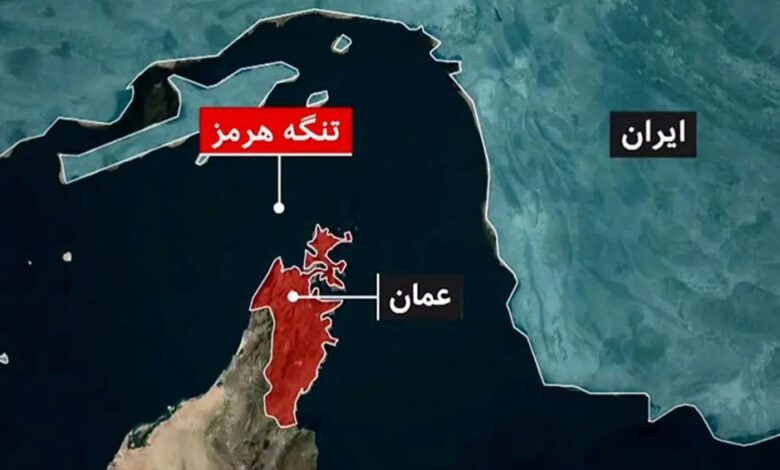
The controversial plan by the Iranian parliament to control the Strait of Hormuz has increased regional tensions and global concerns about energy security and its consequences.
As regional tensions in the Persian Gulf reach unprecedented levels, the release of details of a plan in the Iranian parliament to restrict traffic in the Strait of Hormuz has once again drawn global attention to this vital passageway, a route through which a significant portion of the world's energy passes.
Abbas Goodarzi published the full text of a nine-article plan today, Thursday, April 2, titled “The Law on Strategic Action for Peace and Sustainable Development in the Persian Gulf Region.” According to the plan, the government, in cooperation with the military, will be required to establish a mechanism to collect tolls from passing ships, a move that could effectively give the Iranian government control of this vital route.
Part of the plan states that vessels affiliated with warring countries will not be allowed to pass through the waterway, an issue that analysts say could escalate international conflicts. The parliament spokesman also announced that the process of reviewing the plan has begun, although reports indicate that parliamentary activities have virtually stopped in recent weeks due to regional military developments.
These developments have occurred at the same time as increased conflicts and joint military operations between the United States and Israel in various parts of Iran; conditions that have increased concerns about the security of maritime traffic.
Internationally, Donald Trump also issued a message saying, “The Iranian regime has requested a ceasefire, but we will consider it after Hormuz reopens.” He also called on countries dependent on this energy route to take independent action to reopen it, writing, “You must learn to fight for yourself, the United States will no longer be there to help you, just as you were not there for us.”
Meanwhile, international media reports have shed new light on the situation. Bloomberg News, citing informed sources, reported that Iran has in some cases charged commercial ships up to $2 million in fees for transiting the Strait of Hormuz. Although this trend does not yet have a coherent structure, it indicates an attempt to exert economic control over the route.
According to other reports, the Islamic Revolutionary Guard Corps has in some cases declared obtaining a permit from this institution a condition for passage, and there have even been reports of receiving sums of up to two million dollars in currencies such as the Chinese yuan.
In response to these developments, some countries in the region are looking for alternative ways to export energy. The Financial Times reported that plans are being considered to build new pipelines, including to transport oil to other ports such as Haifa, to reduce dependence on the Strait of Hormuz.
Meanwhile, only some countries, such as Saudi Arabia and the United Arab Emirates, have some alternative infrastructure to bypass this route, while many major economies, particularly in Europe and East Asia, continue to depend on safe passage through the strait.
In the latest developments, Britain has announced that it will host a virtual meeting with representatives from about 35 countries to discuss ways to reopen the waterway; a meeting that will be held in the absence of the United States and reflects the growing concern of the international community about the future of this strategic route.
Overall, what is taking shape is not merely a domestic or regional debate, but a global challenge over one of the world's most important energy arteries. Any change in the status of the Strait of Hormuz could have far-reaching consequences for the global economy, energy security, and political stability of the region.