Labor activist: IRGC intelligence used the creation of a case against my wife to pressure me
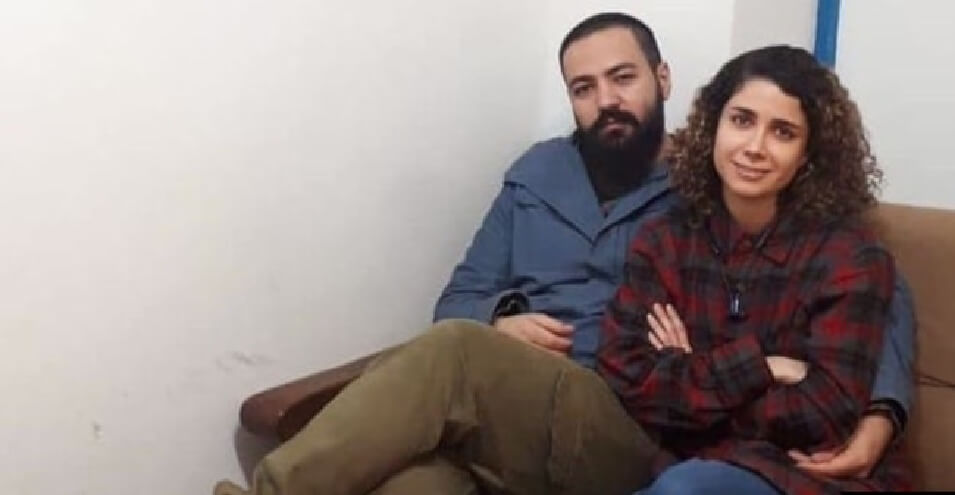
Arash Johari, a imprisoned labor activist, says in an open letter that the IRGC intelligence has created a "political case" for his wife, who was recently sent to prison to serve her sentence, in order to put pressure on her.
In a letter published on Wednesday, January 12, Mr. Johari stated: "The IRGC's information about the progress of my case led to its usual scenario, namely, creating a security case for civil activists and their families against my wife, Shadi, and creating a separate case to use as leverage to pressure me."
The imprisoned labor activist continued to say that during interrogation, he was repeatedly threatened by interrogators that if he did not submit to "forced confessions," a political case would be filed against his wife and he would be fired from his nursing job.
Mr. Johari Mehr was arrested last year by IRGC intelligence agents in Tehran and later sentenced to 16 years in prison on charges of "assembly," "managing illegal groups," and "propaganda against the system," of which 7 years and 6 months were served.
In his recent letter, the labor activist called the trial of his charges a "ceremonial" and said that the judge later told his family that "the verdict was not in my hands."
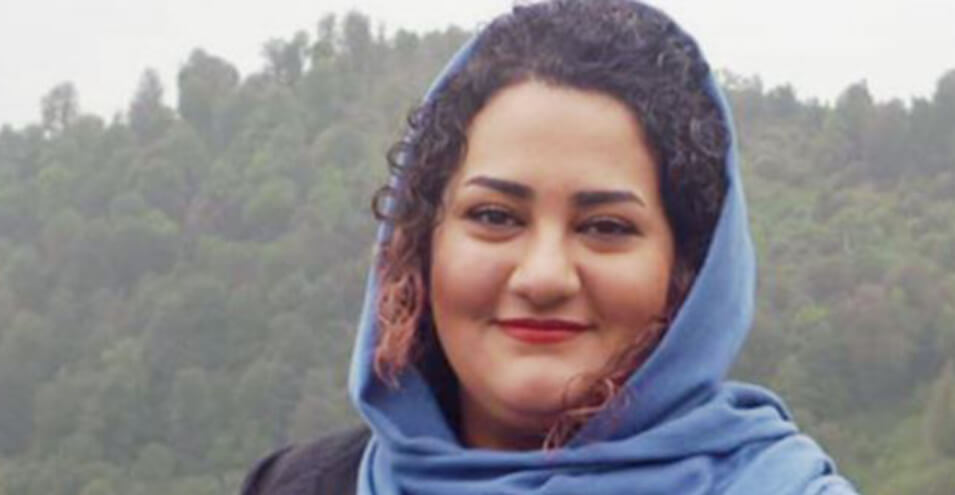
Mr. Johari's wife, Shadi Gilak, who is also a nurse, was previously sentenced to one year in prison on charges of "propaganda against the regime" and was sent to Evin Prison on January 8 of this year to serve her sentence.
Political and civil prisoners in Iran have repeatedly reported the mistreatment of their families and the pressure and threats they face.
For example, Arash Sadeghi, a former political prisoner, in a letter to the UN Special Rapporteur on Human Rights in Iran in May of this year, mentioned "torture and harassment of children of political and conscientious prisoners," "deprivation of visits," "filing cases and imprisonment for family members," "seizure of rights and property," and "forcing political activists to divorce," among other violations of the rights of families of political and conscientious prisoners in Iran's prisons and judicial system.
Source: Radio Farda