Labor activist transferred to prison after serving 74 lashes
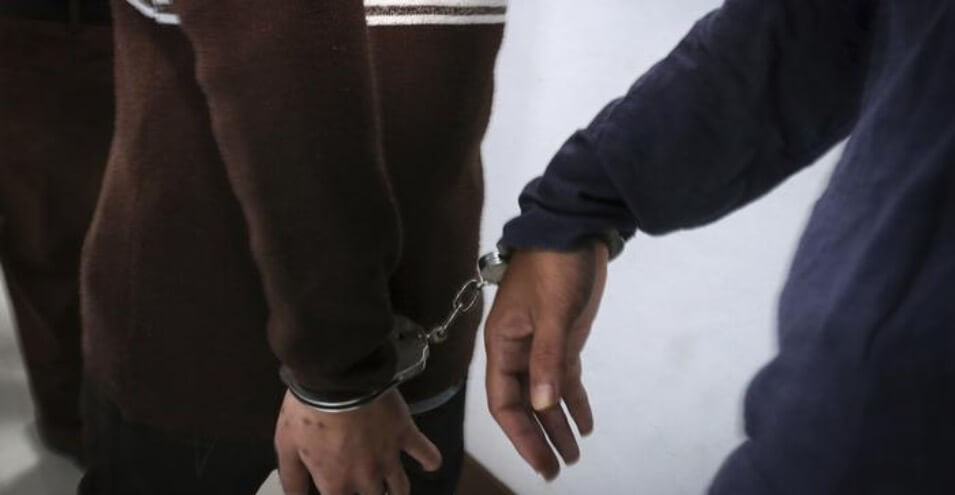
Rasoul Taleb Moghadam, a member of the workers' union of the Tehran and Suburbs Bus Company, was first flogged at Evin Courthouse and then sent to prison to serve his two-year sentence. Another imprisoned labor activist refused to attend the court hearing.
According to news published on Monday, June 1, on the Telegram page of the Workers' Union of Tehran and Suburbs Branch Company, Rasoul Taleb Moghadam, who was summoned by phone to Branch 1 of the Evin Prosecutor's Office, was arrested after visiting this location.
He had previously been sentenced by Branch 26 of the Revolutionary Court to two years in prison, 74 lashes, two years of exile, and a two-year ban on membership in groups, parties, and groups, and on using a mobile phone.
Taleb Moghadam was among those arrested on International Workers' Day (May 1, 2020). The Union of Workers of the Unified Bus Company wrote: "As soon as he arrived at the execution site, he was arrested and sentenced to 74 lashes by the person in charge of executing the sentence. He was transferred to the quarantine of Evin Prison in very poor physical condition."
The news released by the syndicate states that the whippings have caused wounds and swelling on Taleb Moghadam's back and that he "must be treated as soon as possible" at medical centers outside the prison.
The workers' union of the Vahed Company, while referring to the "spread of the coronavirus epidemic in prisons," has warned judicial and prison officials about the consequences of injuring and imprisoning this labor activist.
The union wrote that Taleb Moghadam "has been working in the union for years to achieve the rights of his colleagues and has been repeatedly threatened by the management of the unit company, security guards, and security forces."
Refusal to attend a court hearing
On Sunday, the website of the "Free Trade Union of Iranian Workers" published a report on the judiciary's treatment of Jafar Azimzadeh.
According to this report, he was supposed to be sent from Evin Prison to Branch 26 of the Revolutionary Court for a hearing, but he refused to attend the court hearing.
The text of this labor activist's withdrawal states: "Given the presentation of the necessary defenses in the second branch of the 33rd district of Evin Prison, I announce my withdrawal from participating in the trial of Branch 26 of the Revolutionary Court and await the issuance of the verdict."
He has warned that if this court issues an “unjust verdict” against him, he will appeal to the “court of public conscience” and present his defense “in front of an eighty million dollar jury.”
The Free Workers Union wrote: "Jafar Azimzadeh is currently in prison completely illegally, in accordance with the early release of prisoners directive dated March 17, 2019."
The union's report continues by emphasizing that the security agencies and the judiciary, in an "unprecedented move," filed a case against Azimzadeh within 20 days, received his final defenses in the second branch of the investigation, and are determined to "legalize the continuation of his illegal imprisonment by issuing a new decree."
The Free Union of Iranian Workers has emphasized that if Jafar Azimzadeh is not released immediately and unconditionally, "we will expose and protest this will of the repressive security and judicial apparatus against Jafar Azimzadeh in every possible way, both in the eyes of public opinion and at the international level."
Upholding the prison sentence of a “political and civil activist”
According to HRANA News Agency, Shahabuddin Nazari's conviction has been confirmed by the Tehran Provincial Court of Appeal.
HRANA has recalled that “this political and civil activist was sentenced to one year of imprisonment in the Revolutionary Court of Tehran, presided over by Judge Moghiseh, following a complaint from the IRGC Intelligence Organization.”
According to the report of this human rights news website, the alleged charge was “propaganda activity against the regime,” “but legal party activities, interviews with domestic media, and critical comments on cyberspace about the corruption and inefficiency of some officials in Khuzestan province and other issues of society and the country are the only examples of the charges against Shahabuddin Nazari in this case, which was filed two years ago following a complaint by the IRGC Intelligence Organization of Khuzestan province.”
Source: DW