Historic Defeat of ‘Imposed Religion’ by Iraqi Court and Permission Granted to Convert to Christianity
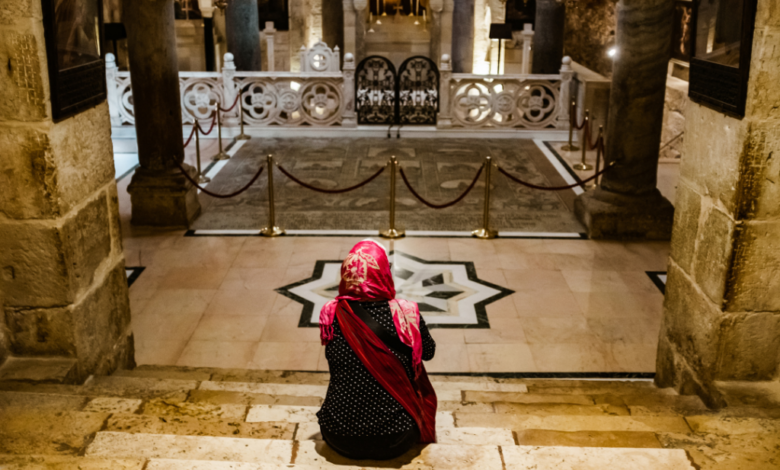
An Iraqi court, by issuing an unprecedented ruling, allowed a young woman who had been forcibly registered as a Muslim for years to officially change her religion to Christianity; a decision that could mark the beginning of a broad legal challenge against laws related to ‘imposed religion’ in Iraq. This case, pursued with the support of international religious freedom organizations, has once again drawn attention to the situation of religious minorities and the right to choose religion in Middle Eastern countries; where official state registration of religion continues to have a direct impact on individuals’ personal lives, marriage, inheritance, and civil rights.
‘Maryam,’ a young woman from Iraq, although born and raised in a Christian family, had been registered for years in official government documents as a Muslim; an issue that traces back to Iraqi national ID card law. According to Article 26, Section 2 of this law, which was passed in 2016, if one parent converts to Islam, minor children are automatically considered Muslim. Maryam’s mother, after separating from her father, married a Muslim man, and this circumstance caused Maryam’s religion to change without her personal choice.
Upon reaching legal age, Maryam filed her formal request in January 2025 to correct her religious status. The Iraqi court has now accepted this request, officially recognizing the right to choose religion and register it in government documents; a ruling that many consider one of the most significant judicial decisions in Iraq’s recent years in the field of religious freedom.
The organization that provided legal support for this case announced that this ruling sends a clear message: ‘Individuals should not be forced to live their entire lives with a religious identity that was imposed upon them in childhood without their personal will.’ This institution also emphasized that no state should have the authority to permanently determine the religion of individuals.
Despite the issuance of this ruling, the case has not yet concluded. The Iraqi government can challenge the court’s decision in the appeals stage; however, if the ruling is also confirmed by the supreme court, it could become legal precedent for thousands of similar cases in Iraq. Maryam’s two younger sisters are still legally recognized as Muslims, and the lawyers in this case have stated that similar measures will be initiated to change their religious status once they reach legal age.
This case has once again raised the old debate about ‘religion determined by the state’ in Middle Eastern countries and some Asian nations; where registered religion in official documents can affect many aspects of individuals’ lives; from education and marriage to inheritance, custody, and legal proceedings. In Iraq, although religion is not printed on identification cards, it is registered in the government database, and this plays a decisive role in personal status court decisions.
Human rights activists believe this case could lay the groundwork for reviewing laws that conflict with religious freedom and the right to choose religion; rights that are emphasized in both Iraq’s constitution and international human rights documents.