IRGC Political Deputy: BBC interview with Catherine Schakdem blocked the path to the evil plan
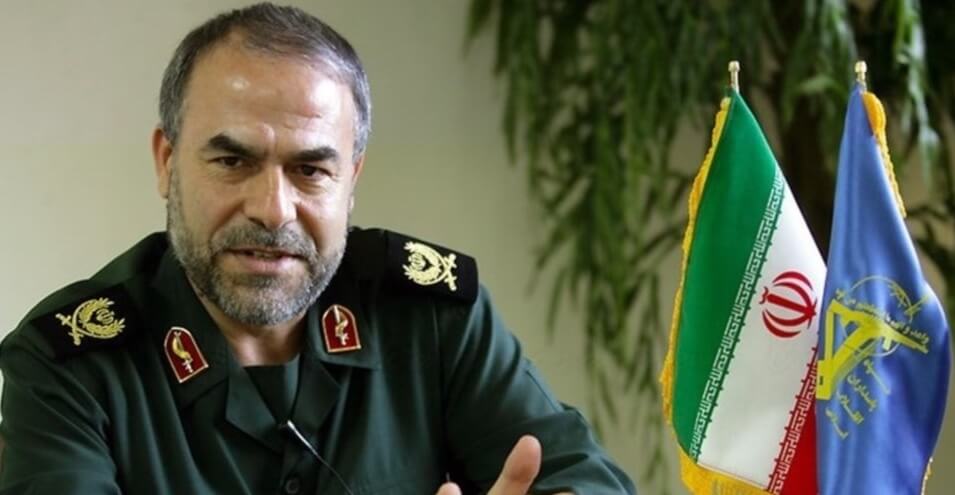
Yadollah Javani, the deputy political director of the Revolutionary Guards, says that BBC Persian television's interview with Catherine Shakedam, a French-British Jewish journalist, "intentionally or unintentionally paved the way for other scenes" of a "devil's plan."
On November 25th of last year, Ms. Shakdam wrote an article on the Times of Israel website, in which she talked about how she conducted an interview with Ebrahim Raisi during the 2017 presidential election.
Shortly after this article was published, the "Third Media" Telegram channel, close to Mahmoud Ahmadinejad, reported the publication of numerous articles and conversations by Shakdam in the media of the Revolutionary Guard and the office of the Islamic Republic's Leader in previous years, and considered him an "influencer."
"Thurs Media" revealed that Shakdam had published 18 articles on Khamenei's website, all of which have "now been completely deleted."
On the other hand, an anonymous Twitter account, using a pseudonym and based on sources that could not be verified, made other claims about Catherine Shakdam's activities in Iran, including Shakdam's alleged "private relations" through a "concubine" with officials of the Islamic Republic, such as the director of the Tehran Times newspaper and Sardar Yadollah Javani.
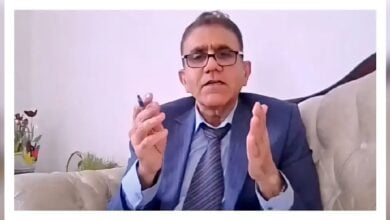
Catherine Schakdem said in an interview with BBC Persian television on Monday night that "I am not a secret agent or spy for any country. I am a political analyst and I am just doing my job."
Radio Farda cannot independently confirm or deny the veracity of Ms. Shakdam's statements, as well as the claims that have been made about her being an "infiltrator and spy."
In a message on Tuesday, March 8, the IRGC's political deputy welcomed the BBC Persian interview with Ms. Shakdam, saying that the interview "intentionally or unintentionally blocked the way for the presentation of other aspects of this evil plan."
He added: "I thank God Almighty a thousand times for the blessing of peace that He has showered upon my heart, my wife, and my children in these days."
The IRGC's political deputy has called on "some political activists" to, in his words, "learn a lesson from the story of Catherine Perez Shakdam and what was falsely published in cyberspace in her name."
Mr. Javani also called on the heads of the three branches of government of the Islamic Republic to, as he claimed, "think fundamentally about the proper management of cyberspace."
The Islamic Consultative Assembly is currently considering a so-called "Internet Protection" bill, the main goal of which is to create widespread restrictions on citizens' access to social networks and internet media.
The plan would give the government and armed forces the authority to control the infrastructure and how Iran's internet network connects to the global network. If approved, internet technology companies would be required to follow "government guidelines" regarding bandwidth and blocking.
The approval of this plan will most likely block the remaining websites owned by foreign companies, Iranian citizens will be forced to declare their identity (national card) to access the Internet, and the sale and distribution of virtual private networks will be considered a crime.
In addition, social networks will be required to cooperate with the government in the field of control and censorship.
Source: Radio Farda