Iran’s inflation rate breaks 24-year record
Iran’s 12-month inflation reached 40.4 percent in June 2019. This is the highest annual inflation rate in the past 24 years. Point-to-point inflation, which shows the increase in prices compared to the same time last year, has also reached 48 percent.
Point-to-point inflation better demonstrates the accelerating pace of price increases and compares commodity prices with the same period in the previous year. While 12-month inflation shows the average increase in prices over the past 12 months. In Iran’s current situation, point-to-point inflation can better demonstrate the country’s economic crisis.
A report by Iran’s Statistical Center on prices of goods and services in Iran shows that the pace of price increases in June slowed slightly compared to previous months. Point-to-point inflation in May was above 50 percent. Nevertheless, prices continue to rise at an unprecedented pace.
The chart below compares the trend of inflation increase in Iran during the sanctions period under Mahmoud Ahmadinejad’s presidency with recent months. Inflation in Iran has reached unprecedented levels since the United States withdrew from the nuclear deal.
If we consider 12-month inflation, which shows price increases over a one-year period, June 2019’s inflation is the highest inflation since 1995.
Rising food prices
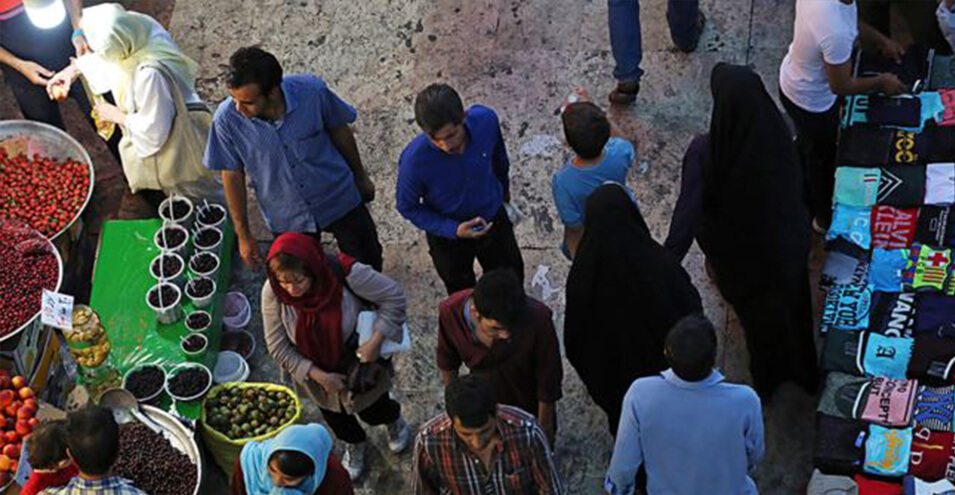
According to Iran’s Statistical Center estimates, approximately one-quarter of Iranian households’ expenses are spent on food and beverages. In the recent inflationary wave, food prices have risen more than other goods and have doubled on average compared to last year.
The image below shows the explosive growth in food prices over the past year. Overall, fruits and vegetables, red meat, and white meat have risen more than other goods. Meat has seen the highest price increase among food items, with approximately 95 percent price growth.
In recent years, the rise in the dollar’s value has had a direct impact on inflation and Iran’s economic conditions. The dollar particularly affects the food group, which requires imports for production.
The Iranian market has witnessed a downward trend in dollar prices over the past three weeks. The dollar started June at a price above 13,000 tomans and, with the declining trend continuing, without reacting to Iran’s foreign policy tensions, particularly the escalations in the Persian Gulf region last week, fell below 12,000 tomans.
However, the approximately 77 percent decline in Iran’s oil sales compared to last year and US financial sanctions raise questions about the government’s financial capacity to provide the foreign currency needed for the domestic market in the coming months.
Source: Radio Farda