Iran's Communications Minister Announces "Possibility of Widespread Internet Restrictions"
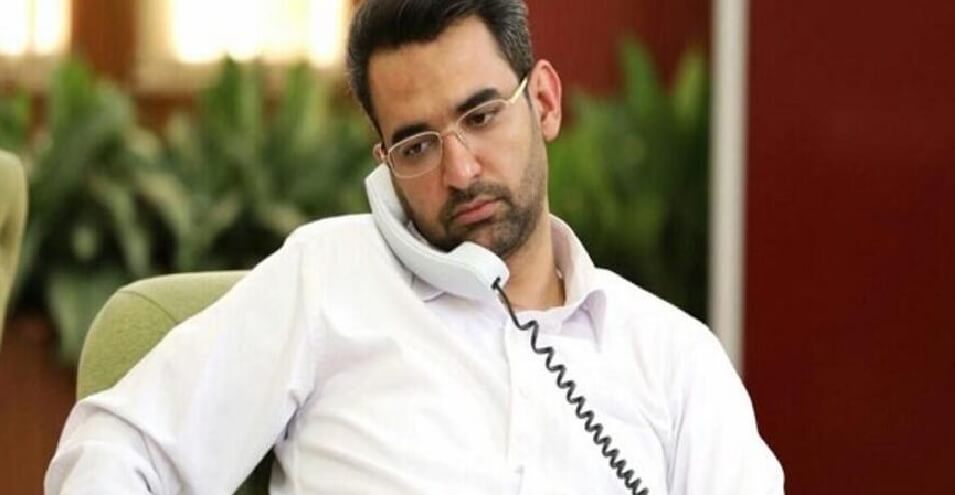
Hours after the speaker of Iran's Islamic Consultative Assembly wrote on his Instagram account that "blocking widely used platforms such as Instagram and WhatsApp" was not on the parliament's agenda, the Minister of Communications wrote on Telegram: "The possibility of imposing extensive restrictions on the bandwidth of messengers and even applying filters has greatly increased."
Mohammad Baqer Ghalibaf and Mohammad Javad Azari Jahromi made these statements in response to the controversial bill “Protecting Users’ Rights in Cyberspace and Regulating Social Media.” The bill took another step closer to implementation on Wednesday with the action of the Islamic Consultative Assembly.
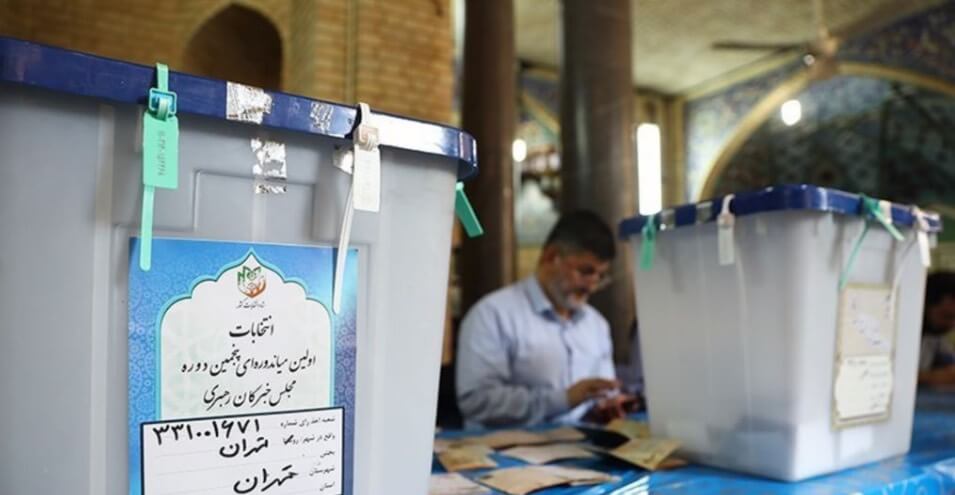
Iranian lawmakers on Wednesday agreed to consider the plan under Article 85 of the Islamic Republic’s constitution, which critics say aims to severely restrict internet access for users within the country. Lawmakers authorized a joint parliamentary commission, including the cultural commission, to review the plan and approve it “for a trial period of 3 to 5 years.”
On Thursday, August 27, Mohammad Javad Azari Jahromi, Minister of Communications, wrote on his Telegram channel in response to this plan: "It does not seem that social networks will be filtered in the short term of a few months, but the mechanism envisaged in this draft and the composition of the commissions and working groups defined in it have greatly increased the possibility of imposing extensive restrictions on the bandwidth of messengers and even applying filters."
According to Azari Jahromi, if the "Protection" bill is approved by the joint parliamentary committee, "we will definitely face more disorder in the governance of the country."
Hours before the Minister of Communications' comments, Mohammad Baqer Qalibaf, the Speaker of the Islamic Consultative Assembly, wrote on Instagram: "Most of the claims made about the plan are not true."
A group of executives from internet companies such as Digikala, Alibaba, Aparat, Filmo, and Divar wrote a letter to the Speaker of Parliament on Sunday expressing concern over the approval of the cyberspace protection bill, emphasizing that "users' dissatisfaction and distrust" of service providers will put pressure on small businesses.
Meanwhile, some reports indicate that following the advancement of the plan to restrict access to the Internet in the Islamic Consultative Assembly, searches for the word "immigration" on the Internet by Iranian users have also increased significantly.
Despite widespread filtering and severe restrictions on internet use in Iran, Ayatollah Khamenei, the leader of the Islamic Republic, had previously described cyberspace in Iran as "truly free" and "unfettered and unfettered."
The "Protect..." project has attracted more attention as images of recent protests in various provinces of Iran and clashes between security forces and protesters have been published on social media.
Source: Voice of America