Iran's Health Minister: We will no longer import coronavirus vaccines
After much wrangling over the import of the coronavirus vaccine and after tens of thousands of people died due to the lack of a vaccine within five months, Iranian officials finally agreed to allow the vaccine to be imported. But now, it has turned on its heel again.
On Thursday, December 24, during a ceremony at the Razi Research and Serum Institute in Hesarak, Karaj, in the presence of the Ministers of Health and Agricultural Jihad, five million doses of the "Razi Cove Pars" vaccine were delivered to the Ministry of Health.
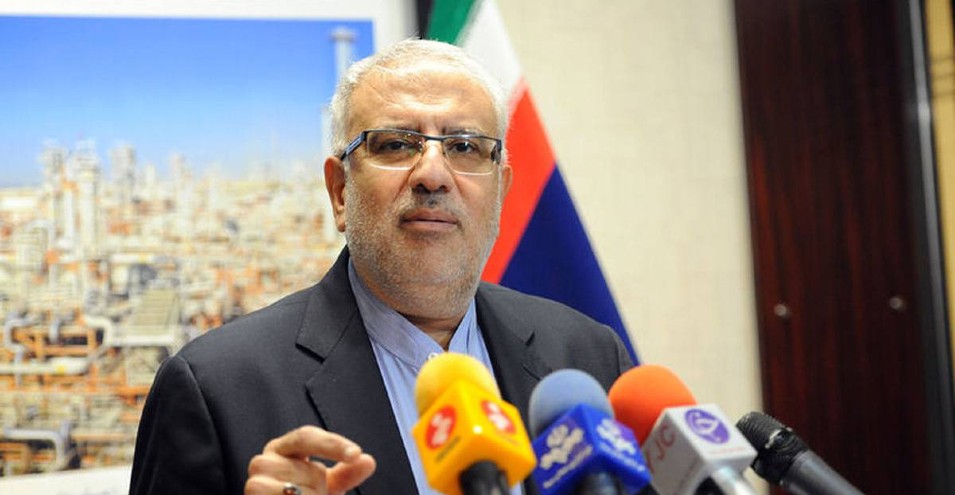
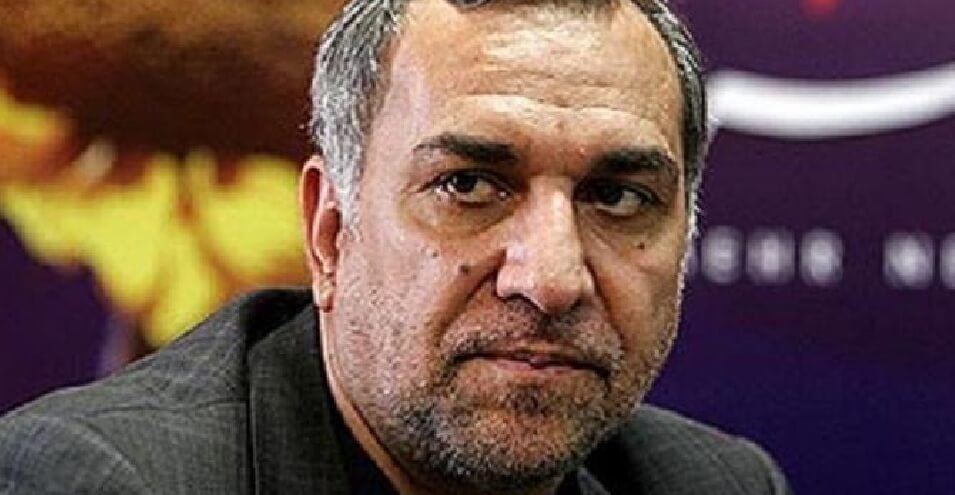
The main news, however, is not this, but rather the words of the Minister of Health that have attracted the attention of the media. Bahram Einollahi said on the sidelines of the ceremony and in front of reporters: "We will no longer import and will rely on domestic production, and we are confident that we will have any type of vaccine for the people."
The Minister of Health once again emphasized the effectiveness of the domestically produced coronavirus vaccine, saying: "According to studies, vaccines produced domestically are unparalleled in terms of effectiveness and quality, which is a burden for the hostile media, which is waging a propaganda war against Iranian vaccines."
According to him, the Razi-Cov Pars vaccine provides over 90 percent immunity, and so far, more than 60,000 people have received this vaccine in experimental and operational tests. This vaccine is administered in three doses; two injectable doses and one inhaled dose.
The Minister of Health emphasized that the ministry is very careful in approving domestically produced vaccines and that "every vaccine that is approved is unique, of high quality, effective, and of high standards."
Bahram Einollahi reiterated that the government's priority is domestically produced vaccines and will no longer import coronavirus vaccines.
The Minister of Agricultural Jihad also said at the ceremony that Razi Company had promised to deliver five million doses of the vaccine at the beginning of the fall season, which was achieved.
He continued by stating that 40 million doses of the vaccine produced by the Razi Institute will be delivered by the end of the year and added: "Our expectation from the Ministry of Health is to purchase these vaccines in advance and, considering export requests, to allow part of the surplus vaccine produced to be exported to other countries so that the economic scope of this complex can also increase."
The vaccine ban and the statement that was retracted
Imports of the coronavirus vaccine were halted by Khamenei's fatwa in January of last year banning the import of American and British vaccines. It was later revealed that even a shipment that was supposed to be sent to Iran as part of the global COVAX program was sent back.
This summer, with the coming to power of the hardline government of Ebrahim Raisi and, of course, the rising death toll from the coronavirus, Khamenei retracted his words and said that everything necessary would be done to secure a vaccine.
Now that the number of deaths and infections has decreased thanks to imported vaccines, there is talk again of banning vaccine imports. This is despite the fact that Safafarmad, the company that produces the Barakat vaccine, was supposed to deliver 50 million doses of this vaccine to the Ministry of Health by the end of the summer of 1400. However, according to reports in domestic Iranian media, the total number of vaccines delivered by domestic manufacturers to the Ministry of Health did not even reach 15 million doses by the end of October of this year, and most of the country's needs are met by importing foreign vaccines.
If the Minister of Health's words are actually implemented and vaccine imports are banned again, it is unclear what fate awaits the Iranian people with the onset of winter and the cold season.
Source: DW