The situation and fate of Christians in Iran

Christians in Iran face an unfavorable situation and an uncertain fate.
Although the Iranian constitution recognizes Christians, Jews, and Zoroastrians as religious minorities and declares that the aforementioned minorities are free to practice their religious ceremonies within the limits of the law, Iranian authorities continue to severely suppress the right to freedom of religion and belief and harass Iranian Christians, especially those who are not recognized by the government, through arbitrary arrest, extremely unfair trials, long prison sentences, lack of access to lawyers, torture, mistreatment of prisoners of conscience, and so on.
In addition to the above, recognized churches and house churches are under intense control, openly insulting Christians and condoning violent acts by security agencies against them. In many cases, we have also witnessed the forced closure of businesses belonging to Christians, the confiscation of their property, and the banning of their employment in government centers, all of which are violations of religious freedom.
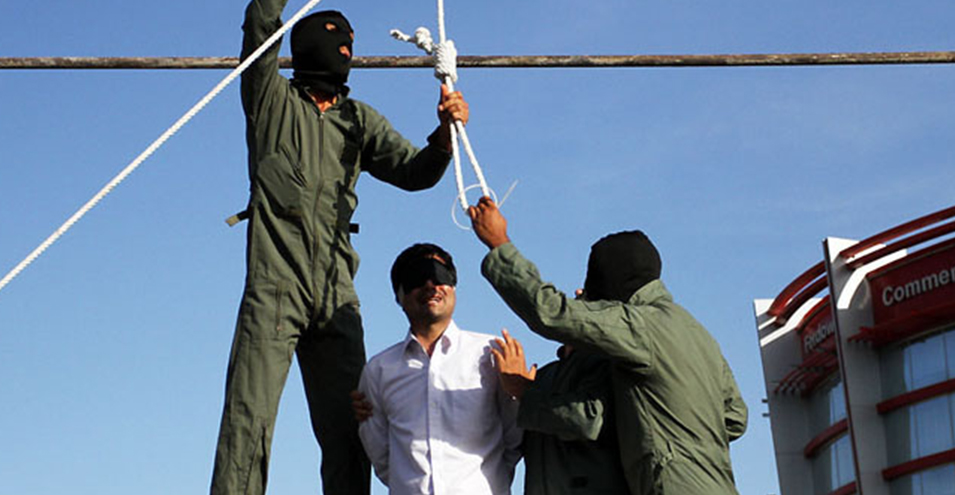
The recognition of the above minorities comes at a time when the government of the Islamic Republic has not only not recognized a large portion of Persian-speaking Christians in the past years, especially in the last few years, but has also tried to introduce them as separate from the universal church, a sect, and affiliated with hostile governments. Also, considering that Iran is a signatory to the International Covenant on Freedom of Religion and Belief, it has imprisoned, tortured, harassed, and even killed many religious minorities because of their beliefs and convictions under judicial orders.
Many churches that had official licenses to operate have also been closed by the government because of services in Persian, and in many cases, the aforementioned churches have even been confiscated. In the past few months, we have even witnessed the auctioning of an old confiscated church in the north of the country.
It should be noted that the closure of the churches in question has led to the formation of house churches, both for minorities and for Christian converts who have converted to Christianity from other religions. However, the security agencies of the Islamic Republic of Iran have also attacked house churches and arrested individuals, confiscated their personal belongings, including laptops, mobile phones, books, etc., and then sent them to prison and filed legal cases against them.
From the perspective of the Islamic Republic government, worshiping the true God, even in one's native language, is considered a crime, and from the perspective of Islam, they are considered apostates, and their sentence is also death.