When Assassination Becomes a ‘Matter of Pride’: ISIS’s Naked Face and the World’s Failure to Curb Religious Hatred
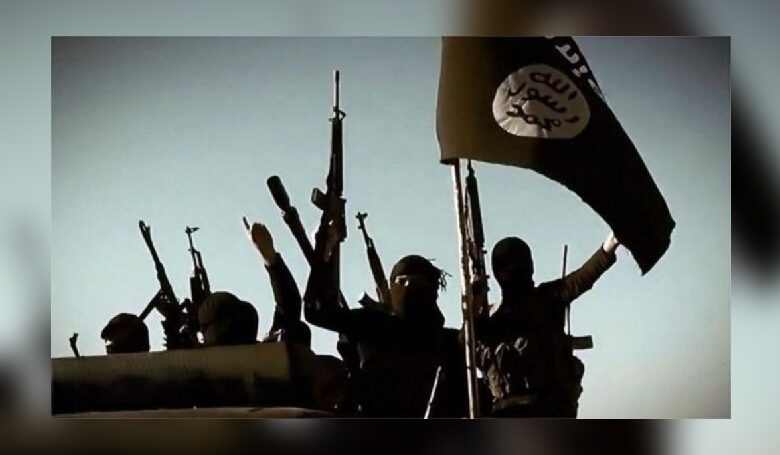
When assassination is called a matter of pride, ISIS once again demonstrates how religious hatred is fueled by security vacuums and global silence.
The group known as the “Islamic State” (ISIS) once again, with blunt and horrifying rhetoric, praised religious violence. The group, through a message posted on its Telegram channel, described the deadly shooting at a Jewish Hanukkah ceremony on Bondi Beach in Sydney as “a matter of pride”; an attack that the Australian government has officially declared a “terrorist act.”
In this message, published on Thursday, December 18 (December 27 in the Iranian calendar), ISIS did not claim direct responsibility for the crime, but the tone and content of the message demonstrate clear alignment with the attacker and legitimization of the killing of religious civilians. The shooting occurred on Sunday evening, December 23 (in the Iranian calendar), resulting in the deaths of 15 people; victims who were targeted by blind hatred solely because they participated in a religious ceremony.
Mal Lanyon, Police Commissioner of New South Wales, had previously announced that two handmade ISIS flags and roadside bombs were found in the vehicle of 24-year-old attacker Noyed Akram. He also emphasized: “We are still investigating the motive behind this tragedy and will continue to do so.”
This attack has once again sounded the alarm about the spread of religious extremism in free societies; a trend that not only targets Jews, but also Christians and other religious minorities around the world. Experience in recent years has shown that ISIS and similar groups recognize no boundaries between religions and view every symbol of faith, worship, and peaceful coexistence as their enemy.
Following this incident, the Australian government announced the drafting of new laws to combat hate speech, but at the same time, domestic and international pressure on the country’s prime minister has increased; pressures that demonstrate public opinion is no longer satisfied with general security promises and demands practical and preventive action.
At the international level, ISIS violence continues. Following the deaths of two American soldiers and a translator in an attack attributed to ISIS in Syria, U.S. President Donald Trump warned that “very serious retaliation is on the way.” This attack occurred on Saturday, December 22 (in the Iranian calendar) near the historic city of Palmyra; a city that itself is a symbol of cultural and religious destruction at the hands of ISIS.
The U.S. Central Command (CENTCOM) announced on Wednesday that American forces, in several joint operations with the Syrian government, have targeted ISIS weapons caches; operations that, according to American officials, are vital to prevent the resurgence of this group.
In 2015 and 2016, simultaneously with the expansion of its influence in the Syrian countryside, ISIS controlled the city of Palmyra and, before its withdrawal, by destroying historical structures, executing soldiers, and massacring civilians, revealed its true face to the world; a face that is being repeated today in the form of attacks on religious ceremonies in Australia.
From a Christian perspective, these events serve as a reminder of a bitter reality: religious extremism has targeted not only human lives but the very principle of freedom of faith. The silence or minimal responses of governments embolden groups like ISIS to call violence “pride” and turn faith into a battlefield.
Today’s world needs more than ever moral courage, solidarity among religions, and a decisive defense of human dignity; values that lie at the heart of Christian teachings and are precisely what terrorism seeks to destroy.