When imprisoned Christians have hope, but the judicial system remains indifferent
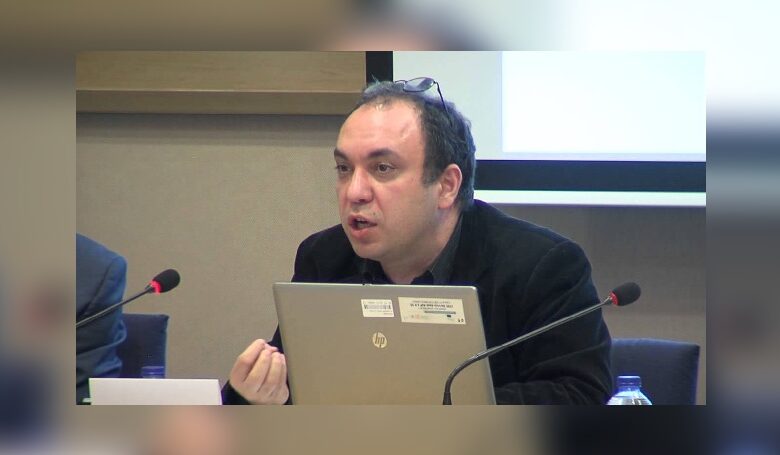
Christians in prison but with hope reflect the bitter state of Christian condemnation in Iran and the real challenges to religious freedom.
In recent years, reports and analyses by international media and human rights groups have repeatedly shown that Muslims who have converted to Christianity or Christians active in Iran face powerful pressure and repression, from arrest and prison sentences to trials on security charges and propaganda against the regime.
In this context, "Fred Petrosian," an Iranian journalist and researcher and activist in the field of religious freedom, addressed the dimensions of this repression, as well as the hope and resistance of Iranian Christians, in an exclusive interview with a Dutch newspaper, emphasizing the point that: "Despite severe pressures, Iranian Christians, especially converts, are "prisoners of hope," and despair has no place in their faith."
In this interview, Petrosian referred to the widespread violence and restrictions that these citizens have faced since the early days after the Islamic Revolution, and noted that less than two hundred hours after the revolution, the priest "Aristotle Sayah" was murdered; a symbol of the oppression that has continued for decades and constitutes an important part of the Christian experience in Iran.
He also emphasized the spirit of resistance and faith, saying: "In the words of Bishop Desmond Tutu, who stood against the apartheid regime in South Africa for years, Christians are prisoners of hope, and despair has no place for them." This perception reflects the Petrosian view that deep faith and hope for the future, despite widespread threats and hardships, are still alive among the Christian community of Iran.
This view is raised in a situation where human rights reports and independent media continue to describe the situation of Christian citizens as critical: "People like Aida Najaflou, Joseph Shahbazian, and Nasser Nordgoltepe continue to live in limbo after numerous arrests and months of imprisonment in Evin and Qarchak prisons in Varamin, and their court hearings have been held in the Revolutionary Court."
The long prison sentences handed down to Christians in Iranian courts indicate a harsh judicial policy against religious activities by families and churches, even when these activities are purely religious and peaceful. In recent years, the number of Christian convictions and imprisonments has also increased significantly, with rights groups reporting hundreds of years of cumulative sentences for Christians, a sign of the growing pressure on the Christian community in Iran.
In his interview, Petrosian also mentioned his book, "Why Christians Are Fleeing Iran," which examines the diverse forms of violence and structural and cultural oppression against Christians in Iran, attempting to present a more accurate picture of current realities and to make it clear that this situation is not only the experience of political opponents, but is also an important part of the experience of religious minorities.
Overall, Petrosian's words and related reports depict a situation in which hope and faith remain alive among Iranian Christians, but pressures and deprivations continue to be a major obstacle to freedom of religion and the normal life of this community, a reality that international media, legal groups, and human rights activists have repeatedly addressed.