The European Parliament and the consideration of inviting Reza Pahlavi to speak about a free Iran
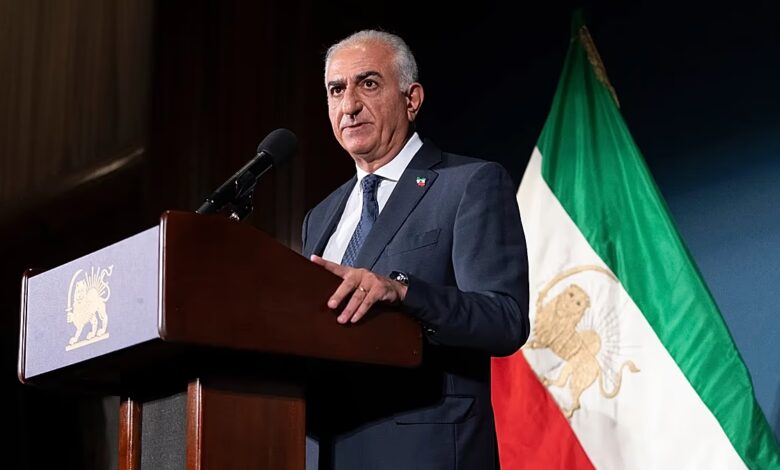
The European Parliament's invitation to Prince Reza Pahlavi to speak about a free Iran is a program that may further highlight the role of the Iranian opposition and democratic transition plans in Brussels.
The European Parliament in Brussels is debating whether to invite Reza Pahlavi, the son of the last Shah of Iran, to give an official speech on what the body calls "political developments in Iran," a topic that has come up as pressure for regime change in Iran increases.
A preliminary list of opposition activists and figures drawn up by the European Parliament’s Foreign Affairs Committee includes several well-known figures who are set to attend a special session on the situation in Iran. Among the names on the list, in addition to Reza Pahlavi, are the lawyer and Nobel Peace Prize laureate Shirin Ebadi and leaders of the Islamic Republic’s opposition parties and organizations. One seat will also be symbolically left empty to represent those who are unable to attend due to security restrictions or government threats.
The aim of the list, sources close to the European Parliament say, is to avoid focusing on a single figure among Iran’s opponents. Some MEPs in Brussels believe that inviting a prominent figure like Reza Pahlavi might inadvertently create the impression that the EU is officially supporting a particular leader, when, they say, “Iranians should choose their own future.”
Reza Pahlavi, who has been in exile since the 1979 Islamic Revolution, is one of the most prominent figures in the Iranian opposition internationally and has for years called for a democratic transition and the end of the Islamic Republic. He presents himself as the potential leader of a free Iran, citing the need for the separation of religion from the state, the rule of law, and an end to ethnic and religious discrimination.
In recent years, Pahlavi has been a prominent figure not only in Europe, but also during nationwide protests inside Iran and large gatherings of Iranians abroad. He also enjoys the support of some Iranians in the diaspora and, through the media and social networks, publishes messages for national unity and an end to repression. In one of his most recent messages, he called on Iranian citizens and Iranians abroad to continue the pressure to end the Islamic Republic's rule until this goal is achieved.
The debate over Pahlavi's invitation continues in the European Parliament, while prominent European figures have also expressed their opinions on the situation in Iran and the need to support the opposition. For example, the President of the European Parliament recently stated in an interview that the European Union should increase pressure on the Tehran regime and not support the repression of protesters.
Meanwhile, some representatives of various political groups, including European conservatives, have called for an official invitation for Pahlavi to address the parliament, but so far this proposal has not gained the necessary consensus. The next session of the European Parliament is scheduled to be held in Strasbourg next week, but parliamentary sources have said that the likelihood of Pahlavi's attendance is low.
Reza Pahlavi previously attended the European Parliament building in Brussels in 2023, at the invitation of several representatives, and gave speeches about supporting the Iranian people's struggles for freedom and human rights; speeches that were reflected in European and global media.
At the same time, in other European capitals, such as London, groups of Iranians have held rallies in support of Pahlavi, indicating the dynamism of the Iranian diaspora abroad.