UN human rights experts address parliament: Abandon the "Protection Plan"
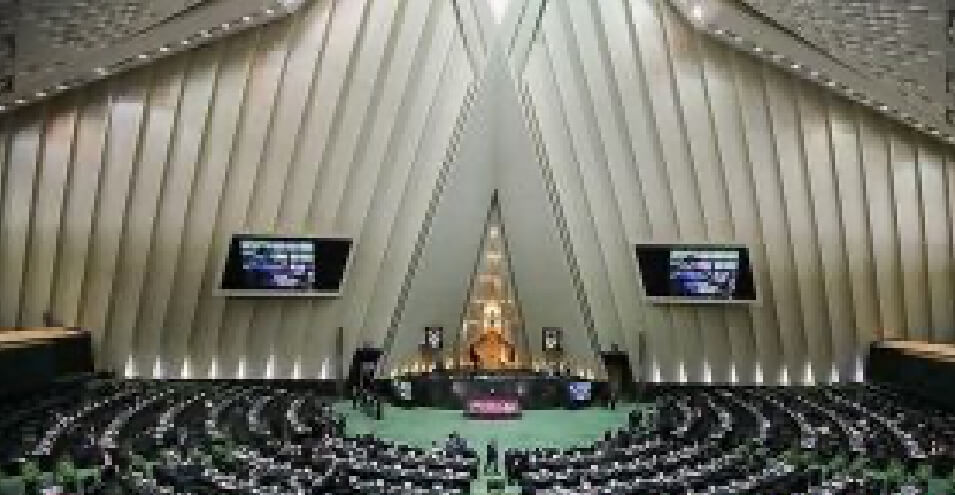
UN human rights experts have called on the Islamic Republic to scrap a bill restricting the internet, saying that during the nationwide protests of November 2019, government efforts to control the online space resulted in a complete internet shutdown. This facilitated human rights abuses, including increased violence by security forces against protesters, resulting in hundreds of deaths.
According to HRANA, the news agency of the Human Rights Activists' Association in Iran, UN human rights experts have called on the Islamic Republic to abandon its efforts to pass a new law that effectively isolates the country from the global internet.
The Iranian parliament may soon approve the "Cyberspace Regulatory System Bill," more commonly known as the "Cyberspace User Protection Bill."
UN human rights experts expressed concern about the restrictions on freedom of expression imposed by the plan, writing in a statement: “ In November 2019, government efforts to control the online space led to a complete internet shutdown in Iran for a week during nationwide protests. At the time, UN experts raised concerns that the information blackout following the shutdown had facilitated human rights violations, including the excessive use of force by security forces against protesters, resulting in hundreds of deaths. Internet blackouts and disruptions have continued since then, particularly in connection with the protests.
"We have already raised our concerns about this bill so that we can discuss this with the authorities. We regret that our letter has not been responded to and our recommendations regarding this bill have not been taken into account," the experts say.
Experts noted that the bill would not only restrict information, but also disrupt business activities and negatively impact sectors dependent on information technology, including science, education, and medicine.
UN human rights experts, noting that the bill, which was initially proposed in 2018, is likely to block all remaining websites and platforms run by foreign companies still operating in Iran, and would also require social media platforms to cooperate with the government in monitoring and censorship.
These experts also say that if the bill is passed, technology companies will be forced to follow government guidelines or face bandwidth throttling and blocking.
Source: HRANA