Amnesty International Report on the Persistence of Torture and Repression in Iran in 2021
سازمان عفو بینالملل در گزارش سالانه خود میگوید، در سال ۲۰۲۱ سرکوب دگراندیشان، زنان، دگرباشان، معترضان و مخالفان سیاسی و همچنین شکنجه و اقدام علیه رسانهها، خبرنگاران و آزادی بیان در ایران ادامه یافته است.
در گزارش سالانه سازمان عفو بینالملل از وضعیت حقوق بشر در ایران، خاورمیانه و شمال آفریقا در سال ۲۰۲۱، از ایران به عنوان کشوری یاد شده که همچنان به نقض حقوق بشر، شکنجه و سرکوب شدید ادامه میدهد.
این سازمان حقوق بشری که گزارش خود را سهشنبه ۲۹ مارس (۹ فروردین) منتشر کرد، از نحوه مدیریت شیوع کرونا در ایران انتقاد کرده و گفته است، کارزار واکسیناسیون در این کشور بدون شفافیت و هماهنگی پیش رفته است.
واکسیناسیون علیه کووید۱۹ در ایران بهویژه به این دلیل به تأخیر افتاد که علی خامنهای، رهبر جمهوری اسلامی در ژانویه ۲۰۲۱ ورود واکسنها از آمریکا و بریتانیا را اکیدا منع کرد.
قوه قضاییه ایران حتی اقدام به بازداشت خودسرانه و محاکمه شش نفر کرد که در مورد ضرورت اقدام قانونی علیه دستاندرکاران منع دسترسی شهروندان به واکسنها اظهاراتی کرده بودند.
در ایران واکسیناسیون زندانیان در اوت ۲۰۲۱ شروع شده و علاوه بر سوء رفتار با زندانی، مجازاتهای شلاق، قطع عضو و کور کردن چشم نیز ادامه یافته است.
توسل به خشونت در تظاهرات
به گزارش عفو بینالملل، در سال گذشته میلادی حق آزادی بیان نیز در ایران پایمال شده و مسدود کردن شبکههای اجتماعی اینترنتی ادامه یافته است.
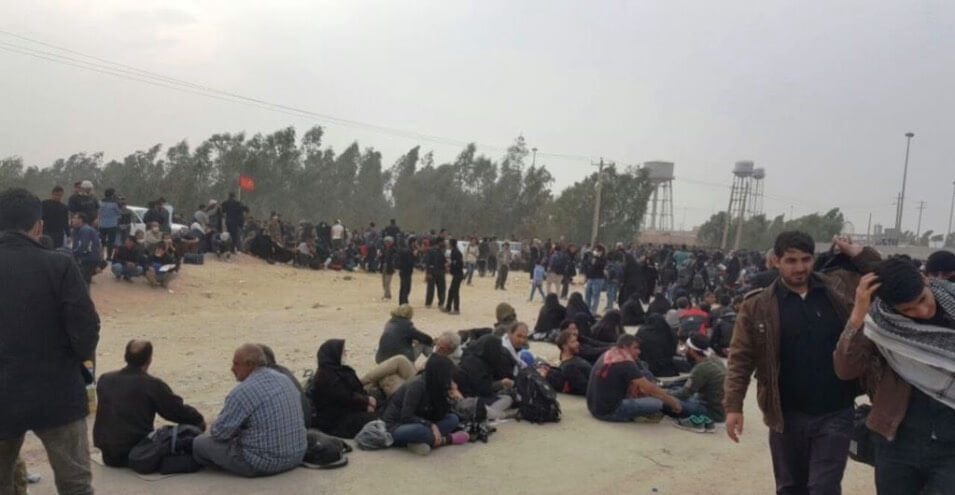
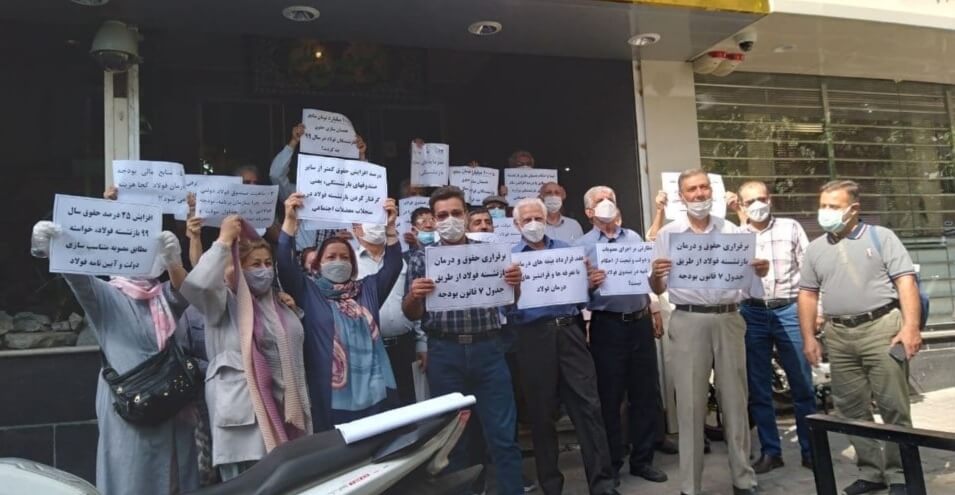
همچنین از مقابله غیرقانونی نیروهای امنیتی با تظاهرات عمدتا مسالمتآمیز و توسل به خشونت بیش از حد و غیرضروری علیه معترضان گزارش داده شده است. علیه تظاهرکنندگان از گلولههای جنگی و ساچمهای استفاده شده و دست کم ۱۱ نفر کشته شده و صدها تن زخمی شدهاند. برخی از زخمیشدگان نابینا شدهاند.
علاوه بر این، نیروهای امنیتی تعداد زیادی را در محل تظاهرات به صورت خودسرانه بازداشت کرده و اینترنت را در جریان اعتراضات مسدود کردهاند.
در گزارش سازمان مدافع حقوق بشر همچنین آمده که در بسیاری از کشورهای خاورمیانه و شمال آفریقا رفتار بیرحمانه و غیرانسانی با بازداشتشدگان ادامه یافته است. علاوه بر این، در برخی موارد از عدم ارائه رسیدگی پزشکی به عنوان اهرم فشار استفاده شده تا زندانی به دلیل دگراندیش بودن مجازات شود.
در حداقل ۱۸ کشور خاورمیانه و شمال آفریقا افراد در بازداشتگاههای رسمی و غیررسمی برای اعترافگیری شکنجه شدهاند و استفاده از سلولهای انفرادی برای این منظور ادامه یافته است.
در ایران، مصر، لیبی و عربستان سعودی تحقیقی برای یافتن دلایل مرگهای مشکوک حتی وقتی اتهامهای شکنجه و عدم رسیدگی پزشکی وجود داشته، انجام نشده است.
مصونیت از مجازات در برابر جرایم پیشین و جاری در زمینه جنایت علیه بشریت و کشتار زندانیان سیاسی در سال ۱۳۶۷ (۱۹۸۸) و سایر جرایم تعریفشده بینالمللی نیز در ایران ادامه یافته است.
عفو بینالملل به رئیسجمهور شدن ابراهیم رئیسی، رئیس سابق قوه قضائیه ایران اشاره میکند که از متهمان اصلی پرونده کشتار سال ۱۳۶۷ است و این مورد را نمونهای از مصونیت سازمانیافته در برابر اینگونه جرایم برمیشمارد.
تضییع حقوق زنان و تبعیض علیه آنان نیز در عرصههای قانونی و سطوح مختلف و همچنین تبعیض علیه اقلیتهای قومی و مذهبی و دگرباشان جنسی باز هم ادامه یافته است.
رسانهها و خبرنگاران کماکان با سرکوب شدید مواجه بوده و تهدید مخالفان سیاسی و خبرنگاران در خارج از کشور و ربودن مخالفان سیاسی و انتقال آنها به ایران نیز رواج داشته است.
تداوم مجازات اعدام
طبق گزارش سالانه عفو بینالملل، مجازات اعدام در سال ۲۰۲۱ نیز در ایران تداوم یافته و برخی از متهمان برای اعمال مجرمانهای که در سنین زیر ۱۸ سال انجام دادند به اعدام محکوم شدند.
جاوید رحمان، گزارشگر ویژه حقوق بشر سازمان ملل متحد در امور ایران در ۱۷ مارس از اعدام ۲۸۰ نفر در سال گذشته در ایران خبر داد و خواستار پاسخگویی مقامهای این کشور در قبال نقض گسترده حقوق بشر شد.
به گفته او، ۱۰ تن از اعدامشدگان زن، سه نفر در زمان وقوع “جرم” زیر سن قانونی و حداقل ۸۰ تن از آنان با پروندههای مواد مخدر مرتبط بودند.
Source: DW