Eleven UN Special Rapporteurs: Systematic human rights violations and repression of Christians in Iran
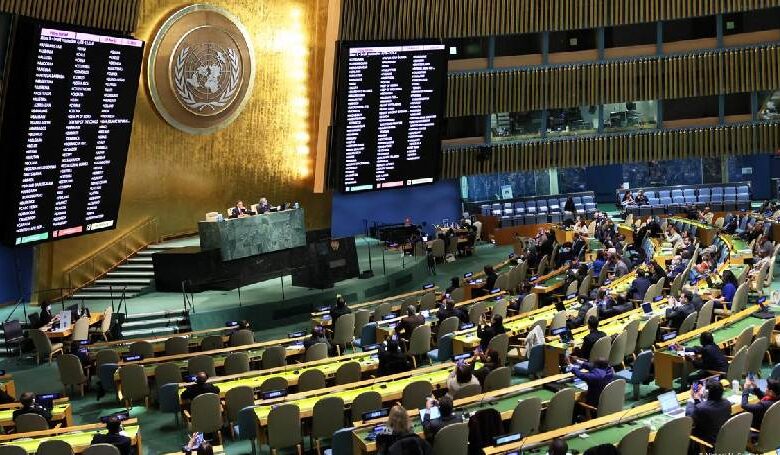
The letter from the UN Special Rapporteurs indicates human rights violations and repression of Christians in Iran, and a serious warning against widespread arrests and executions.
Eleven UN Special Rapporteurs, including Mai Sato, Special Rapporteur on the situation of human rights in Iran, and Nazila Ghane, Special Rapporteur on freedom of religion or belief, expressed concern in an open letter to the Islamic Republic about widespread and systematic human rights violations. In the letter, the experts called for immediate explanations and accountability from the Iranian authorities.
The letter cited cases such as the arrest of civil society activists, the repression of religious and ethnic minorities, and the increasing number of executions. The reporters warned that the wave of arrests violates Article 2 of the International Covenant on Civil and Political Rights, a treaty to which Iran is a party. Part of this article states: “States Parties to the present Covenant undertake to respect and ensure to all individuals within their jurisdiction the rights recognized in the present Covenant, without distinction of any kind, such as race, colour, sex, language, religion, political or other opinion, national or social origin, property, birth or other status.”
While the United Nations has repeatedly warned about pressure on religious minorities in Iran, the Islamic Republic’s Ministry of Intelligence has recently reported the arrest of 53 Christian citizens and accused them of “anti-security activities.” The ministry claims that these individuals were working under the cover of a so-called “Zionist Christian evangelization” movement that was trained abroad.
There are also numerous reports of arrests of Baha'is, Jews, and other minorities. In addition to these cases, the Baloch have also been targeted by a new wave of pressure.
In their letter, the UN rapporteurs, while referring to the increase in repression after the 12-day war, also mentioned other key points, as follows:
- Since June 14, 2025, at least six people have been executed on charges of spying for Israel, including three Kurdish men and one Iraqi national.
- Ahmadreza Jalali, an Iranian-Swedish physician and researcher, is at serious risk of immediate execution.
- Blogger and human rights activist Hossein Ronaghi has been arrested along with his brother.
- The internet has been severely restricted, and the judiciary has sent text messages to citizens stating that following pages related to Israel is a "crime."
- Hate speech has increased in state-run media.
- A new bill from the Iranian parliament considers any intelligence, media, or economic cooperation with enemy governments to be an example of "corrupting the earth" and provides for the death penalty for it.
- Hundreds of prisoners have been transferred from Evin to Fashafoyeh and Qarchak, conditions described as lacking medicine, safe drinking water, and even beds.
This is not the first time that UN experts have raised concerns about the situation of Christians in Iran. In another letter, they had previously warned of systematic pressure on Christian citizens. However, the Islamic Republic claimed in response: “There is no inquisition in Iran, no torture to extract confessions, no discrimination, and no arbitrary detention.” It also emphasized that the detained Christians were convicted of “association with Zionist Christianity,” a claim that has been made repeatedly against these citizens without providing any evidence.
According to UN protocols, the Iranian government has 60 days to respond to this new letter. The reality is that the Islamic Republic has targeted religious minorities the most. Christian citizens have been repeatedly arrested on unfounded charges such as “Christian Zionism” or “acting against national security.” While their personal worship and faith are not considered a crime, the Iranian government creates an atmosphere of fear by stigmatizing and filing cases.
The repression of Christians is just one part of a broader pattern that also includes Baha'is, Jews, Kurds, and Baluchis. It continues alongside an economic crisis, extrajudicial executions, and severe restrictions on freedom of expression.
The recent letter from eleven UN rapporteurs shows that the world is not only witnessing these human rights violations, but also demanding accountability from the Iranian government. But the main question remains: “How long will Christians and other religious minorities have to pay the price for their faith and identity with imprisonment, deprivation, and intimidation?”