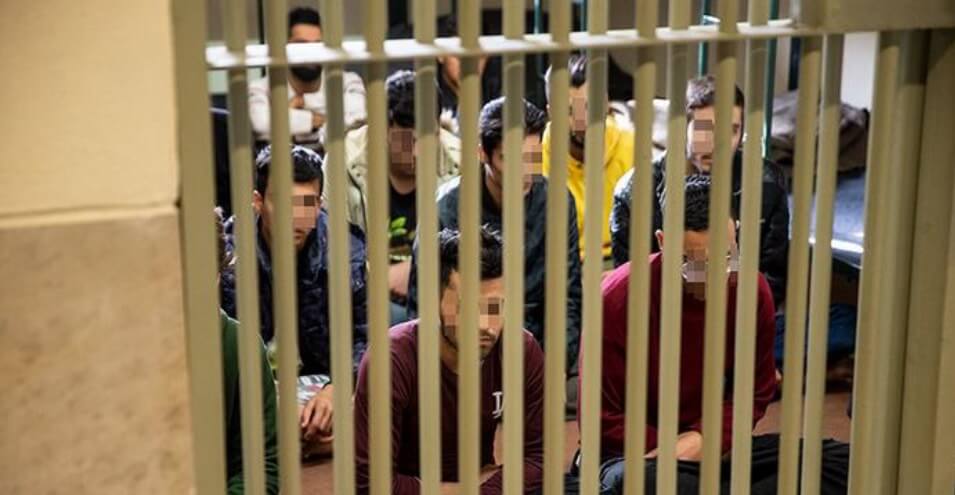
20 days after the Sistan and Baluchestan floods; possibility of outbreak of malaria and dangerous livestock diseases in Konarak
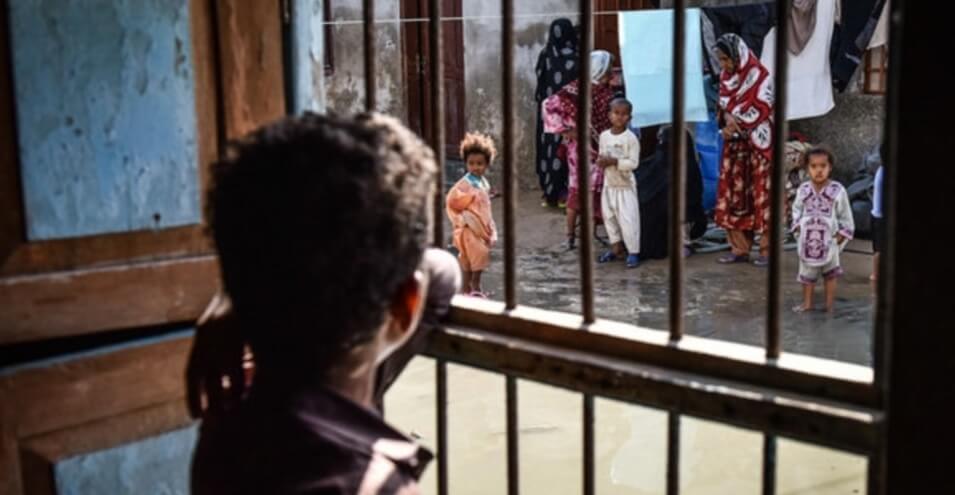
Floods and flash floods are sometimes devastating and even deadly; but what is more bitter is the unfortunate effects of this event over time and after a few months. When the flowing waters have subsided and the initial scale of the crisis has been reduced, a new wave of damage occurs, such as what has occurred these days in Sistan and Baluchestan after the flood last month.
Mehr News Agency reported that due to rainfall, flooding, and flooding in January and February in eight cities and hundreds of villages in Sistan and Baluchestan province, seasonal rivers overflowed, a number of communication routes were blocked, and the homes of a number of people in the cities of Chabahar, Konarak, Sarbaz, Nikshahr, Dashtiari, Fanoj, Qasr-e-Qand, and Delgan in the south of the province were flooded.
On January 15, the Iranian Broadcasting Agency (IBNA) reported, quoting the deputy director of civil affairs for the Sistan and Baluchestan governorate, that in the recent rainfall in Konarak County, "it rained as much as four years in four days," and wrote: "The floods in the south of Sistan and Baluchestan province have caused more than two thousand billion tomans in damage."
The governor of Konarak told Mehr: "Due to the recent rainfall, in addition to the significant damage to the infrastructure of Konarak city, a number of citizens' residential homes have also been damaged," and at the same time, "water has penetrated more than 2,000 houses in Konarak city."
Abdul Ghafoor Hot continued, pointing out that the number of cases of 100% destruction of residential houses in the city is low, and said that, however, about two thousand households are still suffering from post-flood problems after this period of time.
In the images published by ISNA News Agency today, February 1, of this flooded area, it is clearly evident that after about a month, many flood victims are still suffering from the lack of basic living facilities and numerous problems after the flood.
Given that the flood occurred in the first month of winter and the cold season, now that the weather is getting colder and the location of many families in this area is unfavorable, there is a possibility of diseases and acute health problems, especially since these days Iran has entered the sixth peak of the coronavirus outbreak with the global spread of the Amicron strain.
In this regard, the governor of Konarak said: "Given the stagnation of water in some areas of the city, the risk of malaria outbreak is very serious, requiring serious and urgent measures."
On the other hand, the Director General of Veterinary Medicine of Sistan and Baluchestan Province told Mehr: "Given the recent flooding in the south of the province, there is a possibility of the spread of some livestock diseases in this area."
Mehdi Hosseini added: "Due to the conditions created after the flood, the conditions for the spread of some dangerous and deadly livestock diseases have intensified in this region, which requires the vigilance of the people and officials."
In May 2019, the IRNA news agency wrote in a report, "In the recent flood in Lorestan, 18,000 Lorestan residents lost their jobs and became unemployed. In Pol-e-Dokhtar, which had the highest share of flood damage, about 70 percent of the guild units were destroyed in this incident, and many related and indirect jobs were also affected in some way due to damage to infrastructure."
Given that several large and small flood events occur annually in different parts of the country, it seems that paying attention to the damages and problems after the water subsides by creating a specific and operational mechanism is an important and vital need for these regions and their residents.
Addressing the complex damage in the days following the flood is doubly important because, at the peak of media and public attention to the incident, government and administrative officials typically evaluate the aid and relief efforts as "positive." However, shortly thereafter, there is no more news of them, and it is the residents of the affected areas - such as the 2,000 households in the Konarak region of Sistan and Baluchestan province - who must confront new problems that they are not prepared or have the means to deal with.
Source: Voice of America