August 22nd International Day of Remembrance for Victims of Religious Violence
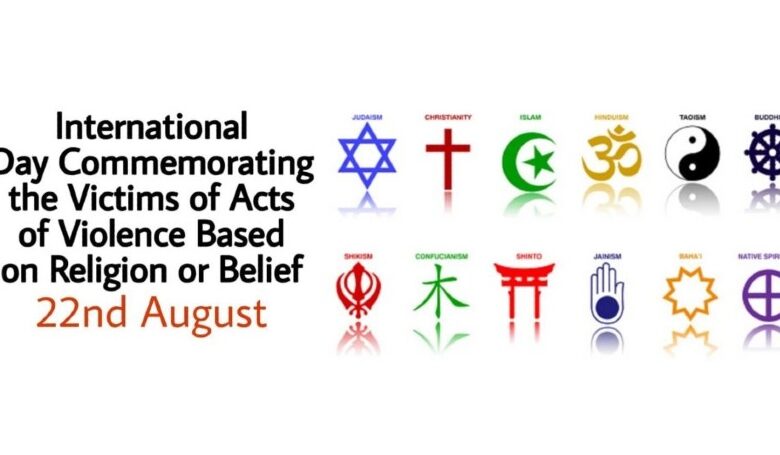
The United Nations designated August 22 as the International Day of Remembrance of Victims of Religious Violence Based on Religion or Belief.
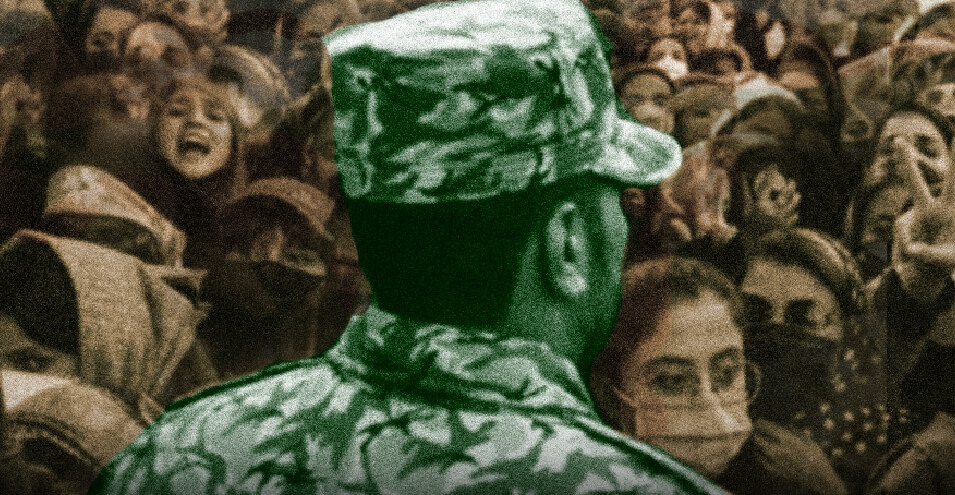
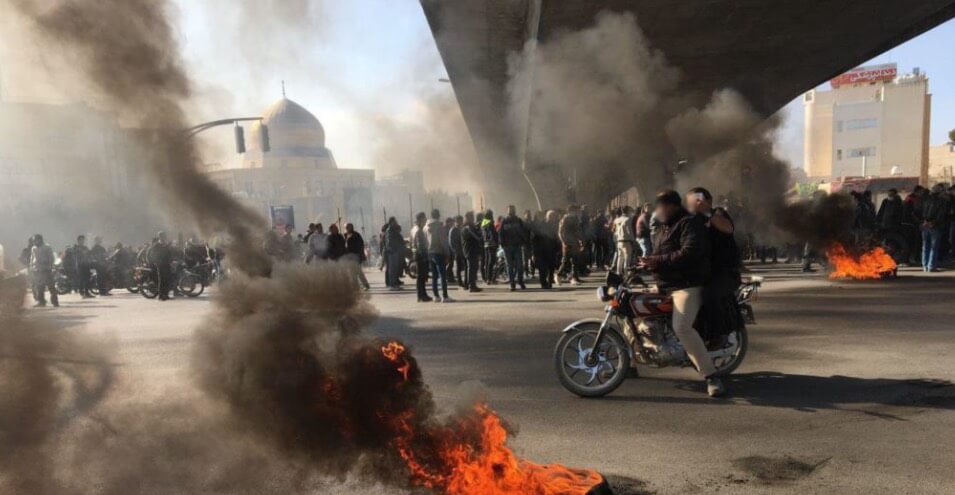
While the Islamic Republic of Iran appears internationally as a defender of human rights in various arenas, within the country, religious minorities continue to face repression and violations of fundamental rights.
The United Nations has designated August 22 as the International Day of Remembrance of the Victims of Violence Based on Religion or Belief. The day is an opportunity to remember the suffering of religious minorities around the world and to emphasize the importance of respecting religious and belief freedoms. Religious minorities in Iran, particularly Christians, Jews, and Baha’is, face ongoing repression and violations of fundamental rights.
In recent years, Christians in Iran have faced widespread arrests, church closures, and social pressure. According to international reports, more than 900 people were executed in Iran in 2024, many of them on religious charges.
Iran’s Jewish community also faces serious threats. Following recent tensions with Israel, Iranian authorities have arrested at least 24 Jews in Tehran and Shiraz. The arrests have been made on charges of spying for Israel. While many of these individuals have not engaged in any anti-government activity, they have been targeted for repression because of their membership in the Jewish community.
Baha’is are another minority group that faces systematic human rights violations in Iran. They are also denied basic rights such as education, employment, and property. In recent years, Iranian authorities have sentenced at least nine Baha’is in Tabriz to one year in prison on charges of membership in groups opposed to the Islamic Republic. These actions reflect discriminatory and repressive policies against Baha’is.
The Islamic Republic of Iran uses religious minorities, especially Christians and Jews, to advance its political goals when it sees fit. For example, at times such as elections and Muslim religious ceremonies such as Ashura and Arbaeen, it exploits these minorities to gain support from the international community, while at other times it portrays them as a security threat, opponents of the regime, or spies. This dual approach reflects the contradictory and inhumane policies of the Islamic Republic of Iran.
August 22 is an opportunity to remember the ongoing repression of religious minorities in Iran. The international community must pressure the Islamic Republic of Iran to end human rights violations and respect religious and ideological freedoms in this country. Only then can we hope for the realization of justice and human rights in Iran.