Shadow of Islamic Republic’s Rulings Over a Refugee Family; Risk of Eight-Year-Old Daughter’s Separation from Christian Parents
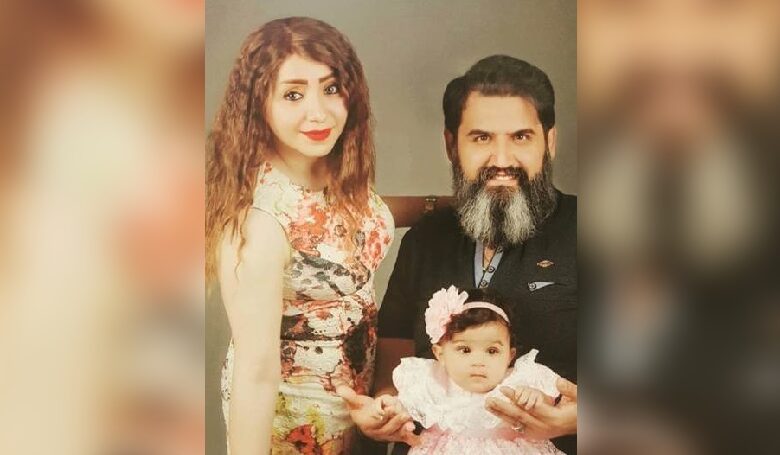
Following the asylum interview of Sam Khosravi and Maryam Fallahi on June 2nd at Turkey’s Immigration Office, a case that began years ago with the arrest of this Christian couple in Iran has resurfaced. Turkish authorities, citing a custody deprivation ruling issued in Iran, have questioned the legal status of this family’s adopted daughter; a ruling that human rights activists regard as a clear example of religious discrimination against Christians in the Islamic Republic.
The case of “Sam Khosravi” and “Maryam Fallahi,” an Iranian Christian couple who years ago became targets of Islamic Republic security measures due to their religious beliefs, has entered a new and concerning phase. This family, who have been living in Turkey after fleeing Iran, faced a warning during their asylum interview on June 2nd with Turkish Immigration Office officials that their adopted daughter “Lydia’s” custody may once again become disputed.
Based on released information, Turkish authorities referenced a ruling by Iranian courts during this interview; a ruling that several years ago stripped this couple of Lydia’s custody. They have now been told that the review of their asylum application will be suspended until the child’s legal status is determined in Turkish family courts.
Lydia was entrusted to Sam and Maryam’s guardianship through Iran’s Welfare Organization in 2018 when she was only a few months old. However, this family’s life changed in the summer of 2019 when security forces raided a Christian gathering in Bushehr and arrested several Christian citizens, including Sam and Maryam. Subsequently, a Revolutionary Court convicted these individuals on charges of “propaganda against the system”; charges that freedom of religion advocacy organizations have repeatedly cited as a tool for suppressing Christians.
In the course of these proceedings, a court in Bushehr ruled that the couple was not fit to care for their adopted daughter. The court argued that according to Islamic Republic laws, Lydia is considered Muslim and should not be under the guardianship of Christian parents. This was despite the judge in the case acknowledging that a “deep emotional bond” had formed between the child and her parents. Furthermore, the court’s ruling stated that given Lydia’s physical health conditions, the likelihood of finding another family for her guardianship was “zero.” Despite these considerations, the order to separate the child from her family was upheld.
At that time, more than 120 Iranian lawyers and civil activists protested this decision in an open letter and emphasized that Iran’s laws regarding child guardianship do not make religion a condition for guardianship qualification. They also warned that this ruling was contrary to the child’s best interests and violated Iran’s international commitments regarding children’s rights.
Now, years later, that ruling issued in Iran has cast a shadow over this family’s fate once again. Sam Khosravi, responding to Turkish authorities’ citation of the Iranian court’s decision, stated that this ruling was issued “based on Sharia and Islamic jurisprudence” and had nothing to do with the child’s interests and welfare. He emphasized that Lydia’s guardianship was legally granted to them by Iran’s Welfare Organization, and the relevant documents have been provided to Turkish authorities.
The primary concern of this family is that if the legal ambiguities are not resolved, responsible authorities in Turkey may proceed to separate Lydia from the parents who have raised her since infancy. Such an occurrence could mark a new chapter of suffering for a family that has already experienced arrest, judicial conviction, employment deprivation, and ultimately exile due to their Christian faith.
The case of Sam Khosravi, Maryam Fallahi, and their daughter has once again drawn the attention of human rights activists and religious freedom advocates to the question of how rulings based on religious discrimination issued years ago in the Islamic Republic can still affect the lives of Christian citizens even after they have left Iran.