Media Outlets Close to Iran’s Revolutionary Guard Reveal Billion-Dollar Condition of Islamic Republic in Qatar Negotiations
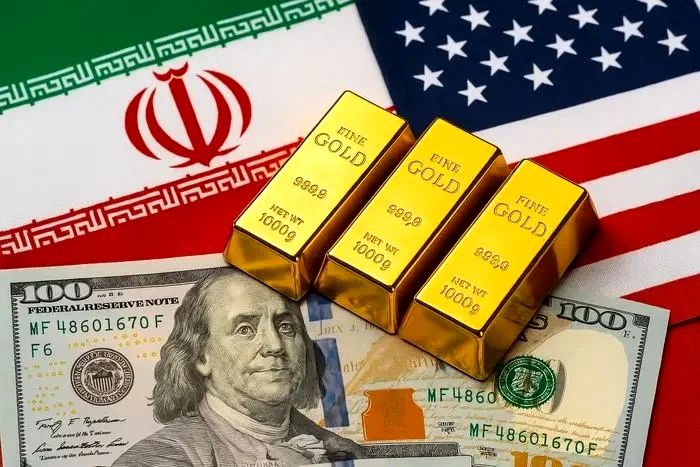
As American officials speak of continuing talks with the Islamic Republic in Qatar, media outlets affiliated with the Islamic Revolutionary Guard Corps have claimed that Tehran has made the release of billions of dollars in frozen assets a prerequisite for any agreement with Washington; claims that have not yet been confirmed by the United States and Qatar, but have once again increased criticism regarding the Islamic Republic’s use of nuclear negotiations to access financial resources.
Concurrent with the continuation of indirect negotiations between the Islamic Republic and the United States in Qatar, media outlets close to the Revolutionary Guard have published reports showing that the issue of Tehran’s access to frozen assets has become one of the main points of contention in the negotiations.
The Fars News Agency, affiliated with the Revolutionary Guard, citing an “informed source,” claimed that the latest serious disagreement between the two sides concerns the manner of releasing Iran’s blocked funds, and this issue is being resolved through Qatar’s mediation. The source also stated: “No negotiations are possible without the deposit of Iran’s frozen funds.”
This claim is being raised at a time when official American and Qatari authorities have not confirmed such reports. Qatar’s Foreign Ministry also rejected reports about Doha’s proposed $12 billion offer to the Islamic Republic to facilitate an agreement, calling it “incorrect.”
Continuing this media narrative, the Tasnim News Agency, citing a source close to the Islamic Republic’s negotiating team, claimed that Tehran is seeking the release of $24 billion from its frozen assets. According to this report, the Islamic Republic insists that half of this amount be made available simultaneously with the announcement of any preliminary understanding, with the remainder transferred within 60 days.
These reports are being released at a time when the American government has repeatedly emphasized that any possible agreement with the Islamic Republic must be stronger and different from the nuclear agreement of Barack Obama’s era. Donald Trump previously harshly criticized the JCPOA, saying: “Not like the deal Obama made, which gave Iran large amounts of cash and an open path to nuclear weapons.”
U.S. Secretary of State “Marco Rubio” also said on Tuesday, May 25, during his trip to India, about the ongoing negotiations in Qatar: “There were talks in Qatar today, so we will see whether we can make progress or not.”
He also reiterated Donald Trump’s position that either a “good deal” with the Islamic Republic will result, or essentially no deal at all.
In recent years, the issue of Iran’s frozen assets has always been one of the axes of contention between Tehran and Washington. Critics of the Islamic Republic say the Iranian government is seeking to access billions of dollars in financial resources while much of the country’s economy faces crisis, structural corruption, and sanctions resulting from the government’s regional and nuclear policies.
On the other hand, critics in the United States and the region have warned that the release of the Islamic Republic’s financial resources could strengthen the Revolutionary Guard’s regional activities and Tehran-affiliated proxy groups, a concern that has been raised repeatedly by American politicians and Washington’s allies in the Middle East in recent years.
Meanwhile, Qatar’s role in these negotiations has also come under scrutiny; a country that in recent years has repeatedly acted as a mediator between Tehran and Washington, and it is now said that some of Iran’s frozen assets are held in its banks.