Street Shows of Power or Crisis of Legitimacy? Fresh Contradictions in Iran’s Government Behavior
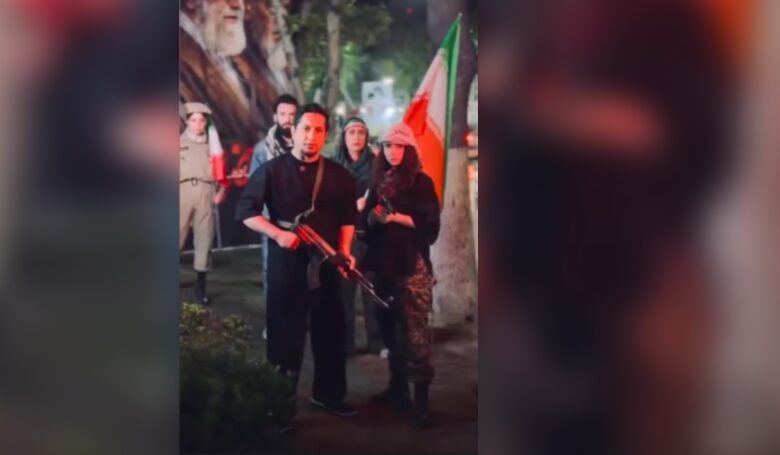
Street shows of power are occurring at a time when a crisis of legitimacy and increased repression have presented a contradictory picture of Iran’s current situation.
Over the past two days, the circulation of videos on social media has attracted considerable attention; videos in which a group of people, mostly young, armed and speaking in harsh tones, discuss their readiness to confront opponents. These images, which appear to have been distributed with the aim of displaying power and creating a deterrent effect, have sparked widespread reactions among users and observers.
In a section of this video (which can be seen in this report), the people present, referring to alleged statistics, attempt to portray broad public support for the ruling system and threaten opponents with severe confrontation. The language used in these images, according to many analysts, indicates an increase in violent rhetoric in public and media spaces.
Alongside these cases, some informal reports and narratives circulated on social media claim that some of these individuals are systematically employed to appear in such scenes. According to these claims, these individuals are paid amounts for their nighttime presence, which some reports have cited as ranging from two to ten million tomans per night. It is also said that the financial sources for these payments ultimately come from the country’s general budget and economic resources. However, these claims cannot be independently verified, and official authorities have not provided clear explanations on this matter, and such issues typically remain concealed.
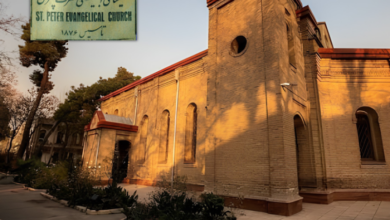
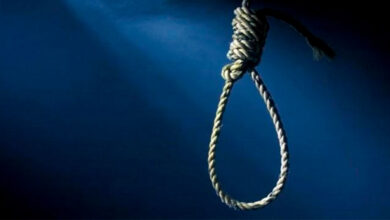
Nevertheless, the simultaneous circulation of such videos with developments on the ground in Iran has raised serious questions about the objectives and functions of these displays. In recent months, multiple reports have been published about the execution of death sentences against protesters, particularly on charges such as “enmity against God.” This process, coupled with the arrest of civil activists and religious minorities, including Christian and Bahai citizens, presents a different picture of the state of freedoms in the country.
On the other hand, the presence of some women without headscarves in these videos and similar programs stands in stark contrast to the rigid enforcement of dress codes in recent years in Iran. In the past years, numerous cases have been reported of arrests, judicial proceedings, and even deaths of citizens in connection with the headscarf issue; including the case of Mahsa Amini, which received extensive global coverage and became a symbol of protests.
This duality—apparent displays of leniency in some situations and the application of strict limitations in practice—is viewed by observers as a sign of an attempt to manage public opinion in crisis conditions. Some analysts believe that such actions are primarily propagandistic in nature and are carried out with the aim of presenting a different image from the realities existing within the country.
Meanwhile, the continuation of internet restrictions, increased social controls, and reports of conduct at checkpoints demonstrate that surveillance policies continue to be pursued with intensity. This has caused the gap between official narrative and citizens’ everyday experience to become increasingly apparent.
In summary, the circulation of such videos can be interpreted within the framework of an attempt to display authority in circumstances where signs of social and political crisis persist. Observers believe that relying on such displays not only fails to help reduce tensions, but can lead to deepening public distrust and widening the gap between government and society.