The Islamic Republic’s Execution Machine: Continuing Death Sentences for Protesters and Political Prisoners

The Islamic Republic’s execution machine, once again through issuing death sentences for protesters and political prisoners, has laid bare a naked face of repression and injustice.
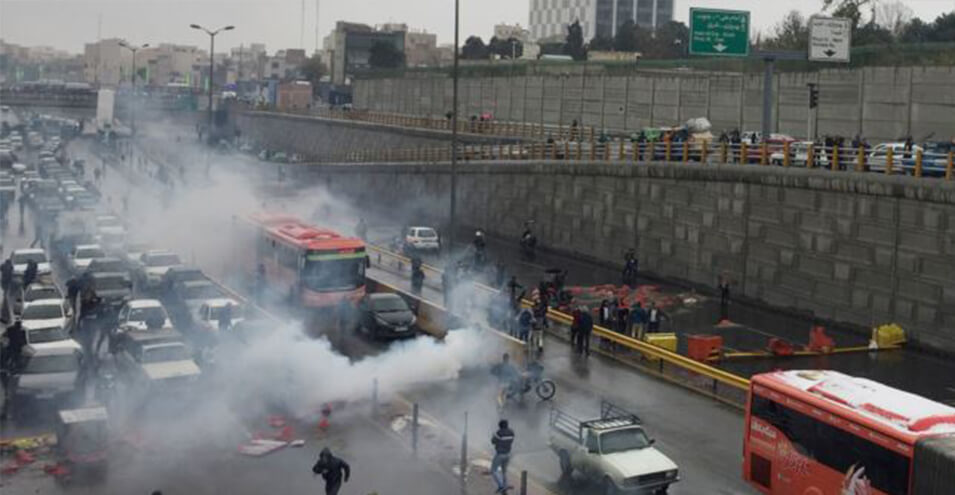
In continuation of the escalating crackdown process in Iran, the Islamic Republic’s judiciary has once again, through issuing and confirming execution sentences against protesters and political prisoners, stirred waves of concern and anger among human rights organizations; a process that many view not as the administration of justice, but as a tool for instilling fear and silencing any voice of dissent.
According to published reports, three young men named “Ehsan Hosseini Pour Hasarlu,” “Matin Mohammadi,” and “Erfan Amiri,” who were detained during public protests, have been sentenced to death by the Tehran Revolutionary Court. These sentences have also been confirmed by the Supreme Court, and with the transfer of the case to the implementation of sentences, the danger of their imminent execution has seriously increased.
The charges brought against these individuals include “participation in the murder of two Basij forces,” “intentional burning of a religious location,” “destruction of public property,” and “assembly and conspiracy against national security.” However, human rights reports emphasize that a significant portion of the case is based on confessions obtained under pressure and torture, and the defendants have been deprived of the most basic rights throughout the legal proceedings, including access to an independent lawyer.
In this regard, a human rights organization has declared that issuing such sentences is a clear example of “state killing” and that the government is using capital punishment as a tool to terrorize society.
This process is not limited to this case alone. In another example, “Naser Bakrzadeh,” a Kurdish political prisoner, after going through a controversial and ambiguous process, has faced confirmation of his execution sentence by the Supreme Court for the third time; all this despite the fact that this sentence had previously been overturned twice due to serious defects in documentation and legal objections.
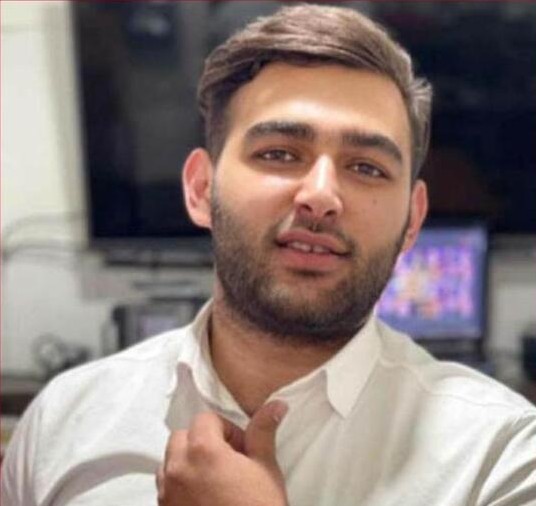
Reports indicate that this prisoner, after being summoned to the implementation of sentences and notified of the final verdict, faced violence and beatings due to protesting the case proceedings. Informed sources emphasize that he was subjected to severe pressure during detention to force a confession and was deprived of access to a lawyer and contact with his family.
The charge brought against him is described as “spying for Israel”; a charge that has been repeatedly leveled by security agencies against activists and political prisoners in recent years and, according to observers, in many cases lacks transparency and standards of fair trial.
Human rights organizations have warned that the acceleration in confirming and implementing these sentences, especially in conditions of political tension, could be a sign of the instrumental use of capital punishment to send security messages to society. Especially given that the investigation process into these cases has been accompanied by serious ambiguities, including reliance on forced confessions and disregard for legal objections.
Critics believe that what is currently happening in the judicial structure of the Islamic Republic has a deep gap with the concept of justice; a place where courts function not as authorities upholding rights, but as instruments serving security agencies. In such circumstances, issuing heavy sentences such as execution, rather than being the result of a fair trial, is a reflection of the political will to suppress.
While the wave of executions in Iran continues, human rights activists have called on the international community to set aside silence and take immediate and effective measures to stop what is called an “organized cycle of death”; because in their view, the continuation of this process not only threatens the lives of more individuals, but also deepens an atmosphere of fear and distrust in society.