Medical Deprivation Threatens Life of Christian Prisoner in Evin
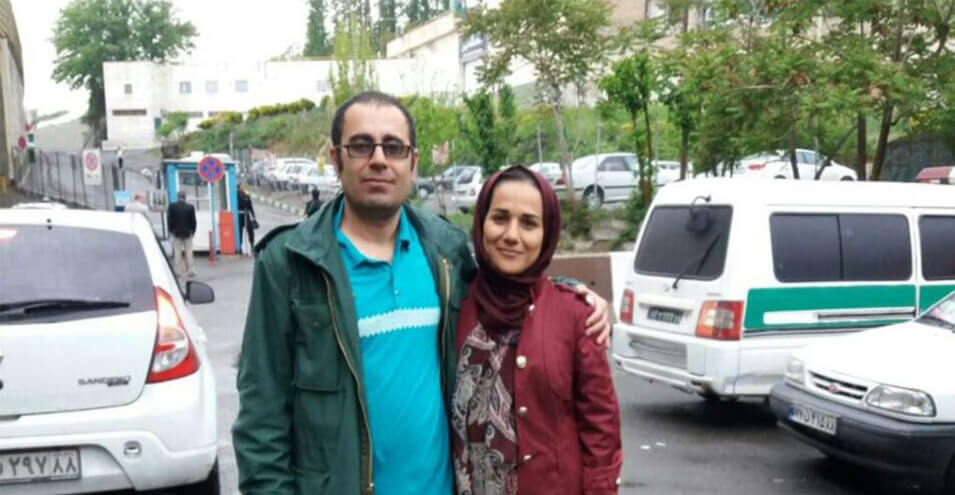
“Mohshar (Moharam) Parandian,” a Christian prisoner held in Evin Prison, is struggling with dangerous tumors and heart disease while Islamic Republic officials continue to prevent his immediate transfer to medical centers; an approach that human rights organizations have for years described as “using treatment as a tool of torture and pressure” against prisoners of conscience.
Reports from Evin Prison indicate that the physical condition of Mohshar (Moharam) Parandian, a Christian citizen and prisoner of conscience, has reached an alarming stage, yet despite medical recommendations, she remains deprived of specialized and emergency surgical treatment. According to published information, this 50-year-old prisoner suffering from acute heart disease simultaneously faces two tumors in the back of the head, near the cerebellum and throat; tumors that, according to the prison physician’s diagnosis, require immediate medical attention.
An informed source told Hrana that one of these tumors has affected Ms. Parandian’s motor balance and speech ability and has caused noticeable speech disturbance. According to this source, the swelling in the throat area is now clearly visible, and a mass at the back of her head can be felt beneath her hair; however, the prosecutor and judicial officials of the Islamic Republic have not only refused to approve her medical transfer but have also prevented her from being granted medical leave and conditional release.
Mohshar Parandian is an artist and painter, a mother of one child, and the head of her household who was previously sentenced to two years in prison by the Revolutionary Court due to her religious activities and Christian faith. Her case is part of a widespread wave of pressure on Christian citizens in Iran; individuals who Islamic Republic security agencies often arrest and imprison on charges such as “acts against national security” or “promotion of Zionist Christianity.”
A review of international reports shows that denying prisoners of conscience medical treatment has become a repeated pattern in Islamic Republic prisons. Organizations defending religious freedom and human rights have repeatedly warned that Iranian authorities use denial of access to medical services as a tool for punishment, psychological pressure, and breaking prisoners. The “Article 18” organization’s report on Christian prisoners in Iran emphasizes that many Christian citizens in Evin Prison are denied specialized treatment even in critical physical conditions.
Similar cases involving Christian prisoners in Iran have been documented in recent years. “Maryam Naghash Zargaran,” known as Nasim, a Christian prisoner held in Evin, was repeatedly denied treatment despite heart disease and severe physical problems, and went on hunger strike in protest of these conditions. Her family stated: “The authorities show no concern whatsoever for Maryam’s physical condition.”
International reports on the situation of Christian prisoners in Iran also show that many of them face serious illnesses after months of interrogation, solitary confinement, and security pressures, but are not transferred to hospitals even in emergency situations.
The “Barnabas Aid” organization and “Middle East Concern” have cited Evin Prison in their reports as one of the main centers of mistreatment of prisoners of conscience and religious prisoners; a place where medical deprivation, psychological torture, and denial of access to medical services have become commonplace.
In part of the “Middle East Concern” annual report, it states: “Concerning reports have been published about Christian prisoners being denied medical services, psychological torture, and even physical mistreatment.”
Although the Islamic Republic presents itself in international forums as committed to protecting citizens’ rights and religious freedom, the security treatment of Christians continues. Many human rights activists believe that what is happening today to prisoners like Mohshar Parandian is not merely medical negligence, but part of a deliberate policy of physical and psychological attrition of prisoners of conscience in Islamic Republic prisons; a policy that has turned prisoners’ lives into a tool for exerting pressure and suppression.