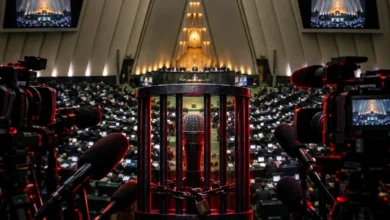
Iran, the Great Prison of Writers
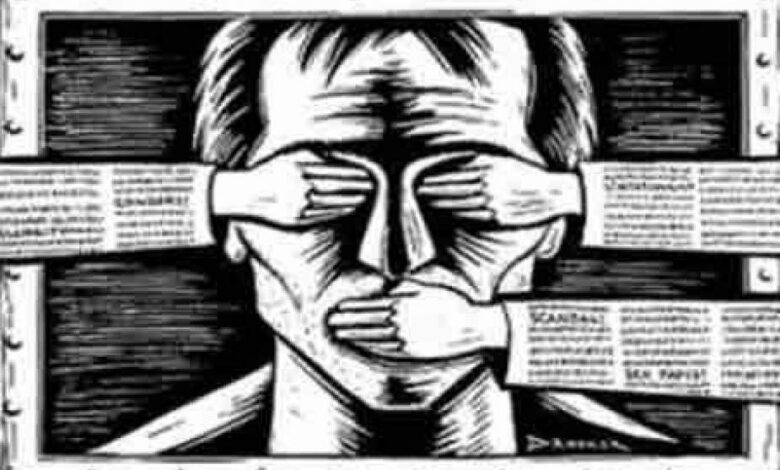
A fresh report by “PEN America” presents a shocking picture of intensified repression of freedom of expression in the Islamic Republic; a place where writers, poets, translators, and researchers face imprisonment, interrogation, and security prosecutions simply for writing, criticizing, or defending human rights. Iran is now the world’s second largest prison for writers after China; a position that more than anything demonstrates the government’s fear of the word and thought.
PEN America, in its latest “Index on the Freedom to Write” report, announced that the Islamic Republic of Iran continues to be one of the world’s primary violators of freedom of expression and holds the largest number of imprisoned writers after China. This international organization reported the number of imprisoned writers in Iran as 43 in 2024; a figure that in some supplementary reports and human rights monitoring has been estimated at up to 53 people.
According to this report, the new wave of repression in Iran, particularly following the “Woman, Life, Freedom” protests, has never stopped and has only taken on a more securitized form. Iran’s security and judicial institutions in recent years have not only detained and imprisoned journalists, but also poets, lyricists, translators, academic researchers, independent writers, and even social media activists on charges such as “propaganda against the system” or “action against national security.”
The “PEN America” report emphasizes that the Iranian government has particularly targeted female writers and women cultural activists. According to this report, Iran had the highest number of imprisoned female writers in the world in 2024; a fact that shows how gender-based repression and suppression of freedom of expression in the Islamic Republic are systematically intertwined.
The report also references the intensified security environment following the 12-day war between Iran and Israel. “PEN America” has warned that the Islamic Republic has used the war and regional tensions as a pretext to silence critical voices and has launched a new wave of arrests of writers and civil activists.
Karin Deutsch Karlekar, director of the “Writers at Risk” program at PEN America, said about the situation in Iran: “The authorities of the Islamic Republic of Iran draw the most attention for their ruthless campaign against independent voices. Poets, translators, researchers, lyricists, essayists, human rights defenders, and columnists are all imprisoned in Iranian jails, while the government seeks to silence discussion, criticism, and dissent.”
This is not the first time Iran’s name has topped the list of violators of freedom of writing. In past years, cases such as the imprisonment of Baktash Abtin, Golrokh Ebrahimi Iraee, Reza Khandan, and dozens of other writers and poets had drawn widespread attention from international institutions and prominent writers around the world. Even figures such as Margaret Atwood and J.M. Coetzee had called for the release of imprisoned writers in Iran in international campaigns.
What the latest “PEN America” report reveals is not merely a statistic; rather, it is a clear picture of a government that fears the free circulation of thought and views the pen as a security threat. In the Islamic Republic, being a writer can be a crime; a crime whose punishment extends from summons and interrogation to imprisonment, torture, and social deprivation.