Iran in the Middle of a Power Game and People Paying the Price of Governments’ Overreach with Their Lives
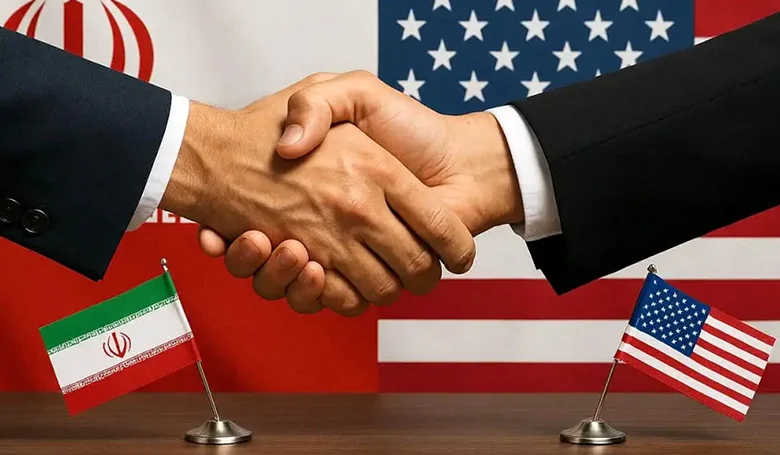
Iran, caught in the middle of a power game, has become a stage where people pay the price of governments’ overreach with their lives, security, and livelihoods.
Recent developments surrounding Iran, rather than being a sign of change in favor of the people, present a troubling picture of a nation trapped in power games; a place where behind-the-scenes decisions and political rivalries are directly tied to the daily lives of citizens.
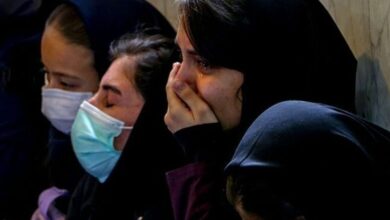
In days when hope and anxiety flow simultaneously through society, some accounts from Tehran’s heart describe this dual situation well. One citizen, whose identity is protected, describing the general atmosphere says: “After the killing of Ali Khamenei and Donald Trump’s speech in which he addressed us, the Iranian people, and said he has kept his promise and wanted us to stay home for now so that at the right time we would take to the streets to reclaim Iran, a wave of enthusiasm emerged in society. Hope was so great that it overcame every other feeling, including fear of the sound of missile and bomb explosions, but now a deep concern has arisen in people’s hearts. They are terrified that America will reach an agreement with Iran’s regime and leave defenseless people alone with a government that has now become even more wounded.”
This sudden shift from hope to concern shows that people fear, more than anything else, a repetition of bitter past experiences; experiences in which political agreements not only failed to improve the situation, but sometimes strengthened the tools of domestic oppression.
On a broader level, the discussion of the possibility of an agreement between governments has become one of the main topics of daily conversations. Some see it as a sign of the regime’s retreat, while others view it merely as part of a complex political game. But what receives less attention in all this is the position of ordinary people; people who neither have a role in decision-making nor are immune from its consequences.
Another citizen, referring to the prevailing security atmosphere, says: “If you only monitor news related to the head of the judiciary in these past few weeks, you will understand the reason for people’s deep concern. He constantly threatens to execute and kill protesting youth. Thousands of young people were killed in December, and now he is taking the rest to slaughter in prisons through torture and abuse.”
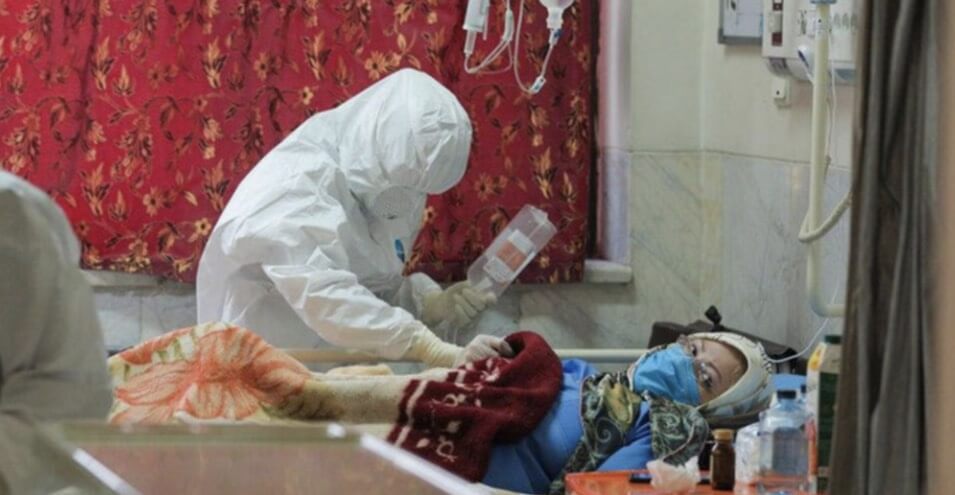
Such narratives show that the cost of these struggles is not limited to economics alone. Along with economic pressures, concerns for the lives and future of the younger generation have become a serious preoccupation for families; to the point that, according to some, the primary wish of many parents is simply the survival of their children.
Meanwhile, some public analyses also emphasize deep distrust of diplomatic processes. An elderly citizen says in this regard: “Unlike us Iranians, America and Europe do not know this deceptive government well. Despite this government deceiving the international community many times, they still sit at the negotiation table with it.”
Along with these developments, signs of intensified domestic control are also visible; from communication restrictions to the presence of security forces throughout the city. This situation, in the view of many, indicates that even if external tensions decrease, pressure on society may increase.
One social observer says in this regard: “Everyone I know around me is angry but still hopeful that the groundwork for overthrow and final uprising is laid. However, one cannot hide the concerns.”
The sum of these narratives presents a clear picture of a bitter reality: “People who, in the midst of power competition, have become tools for advancing political goals. They not only bear the burden of economic crises on their shoulders, but also face threats to their lives and security increasingly with each passing day.”
In such circumstances, a fundamental question remains: “How long must the Iranian people pay the price of decisions in which they had no role in shaping?”