UNICEF’s Alarming Warning on Children’s Suffering in the Shadow of War
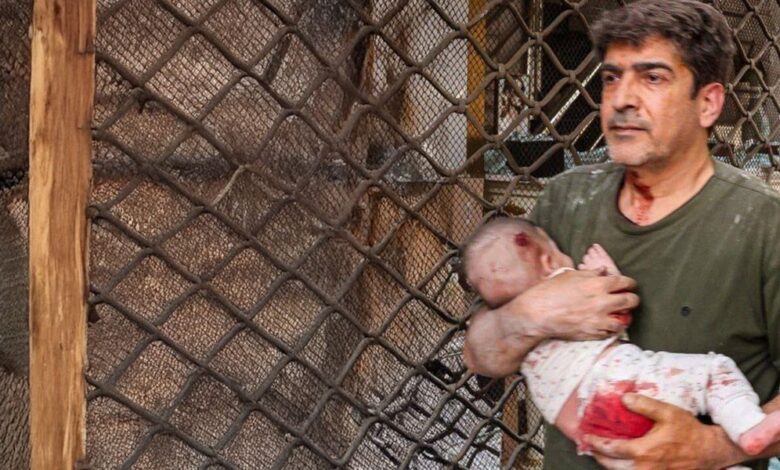
UNICEF has warned about the sacrifice of children in the shadow of war, coinciding with escalating attacks on infrastructure and disregard for international law.
In its latest statement, UNICEF has warned about the catastrophic consequences of ongoing conflicts on children’s lives and stated that repeated attacks on vital infrastructure, particularly schools and medical centers, have seriously endangered children’s security and health. This international organization, emphasizing fundamental principles of humanitarian rights, has called for immediate protection of civilians and civilian facilities.
Part of this statement noted that the continuation of such attacks not only takes children’s lives but also destroys their future; a generation that, instead of education and development, struggles with fear, psychological trauma, and deprivation. UNICEF has stressed that disregard for international law in this regard can have irreversible consequences for global society.
According to statistics presented in this report, at least 216 children have lost their lives and 1,767 other children have been wounded during these conflicts in Iran. These figures represent only part of the harsh reality unfolding on battlefields and demonstrate the heavy price paid by civilians, particularly children.
Subsequently, this United Nations-affiliated organization, reiterating previous appeals, has emphasized the necessity of an immediate halt to violence and recalled that “UNICEF once again reiterates the UN Secretary-General’s call for an immediate cessation of hostilities and a genuine reduction of tension.” This quotation reflects the deep concern of international organizations regarding the escalating cycle of violence.
However, what is most criticized is the glaring gap between warnings and practical measures at the global level. While international organizations have repeatedly emphasized the need to protect children, the continuation of attacks on civilian infrastructure raises the question of why enforcement mechanisms to prevent these violations are ineffective or ignored.
International law experts also believe that targeting educational and medical centers is a clear violation of international conventions and can be considered a war crime. Nevertheless, the lack of effective and decisive accountability for these actions has fueled the continuation of the cycle of violence.
Ultimately, UNICEF’s report is not merely a humanitarian warning but a moral indictment against global indifference; a warning that, if not taken seriously, future generations will pay the price for.