Thousands Flee Tehran as UN Warns of Displacement Crisis in Iran
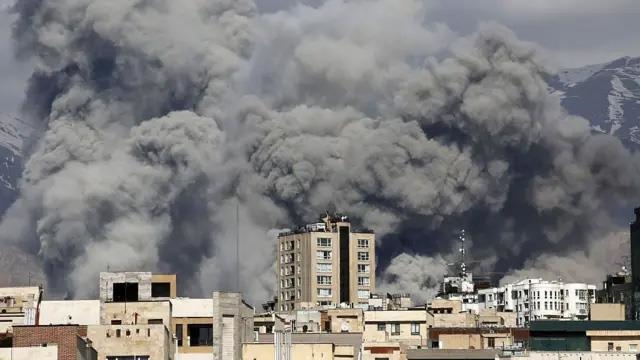
The United Nations has warned of a new wave of displacement in the Middle East, as thousands of people flee Tehran, signaling the human consequences of escalating conflict and increased population displacement in the region.
The UN’s official account on social media issued a warning about the humanitarian consequences and intensification of military tensions in the Middle East, stating that the expansion of conflicts could trigger a new wave of displacement and population movement in the region.
The message indicated that increased military clashes have forced many people to abandon their homes in a region that has already hosted millions of refugees and displaced persons. UN experts emphasize that continued conflict could significantly increase pressure on host countries and humanitarian infrastructure.
Meanwhile, information released by the UN Refugee Agency shows that in the initial days following recent attacks, a wave of internal displacement has occurred in Iran.
According to these reports, approximately 100,000 people left the city of Tehran in the first two days following recent attacks—a figure that officials say represents only preliminary estimates and could increase in the coming days.
A spokesperson for the agency stated: “We have been able to confirm that in the first two days of the crisis, at least 100,000 people were displaced from Tehran. This figure refers to that initial period and we do not have updated statistics at present. However, it is reasonable to expect that significant displacement has occurred.”
According to the UN official, due to communication disruptions and field limitations, a precise picture of the actual scale of population displacement within Iran is not yet available. According to data released by the United Nations, Iran currently hosts approximately 1.65 million refugees and people in need of international support, a significant portion of whom are Afghan citizens.
This has made Iran one of the largest refugee-hosting countries in the region even before the onset of the current crisis. Experts warn that intensification of conflicts could complicate the situation of this vulnerable population, particularly given that economic difficulties and human resource shortages have placed considerable strain on social services.
The UN has reported that in just the first few days of escalating conflict in the Middle East, more than 330,000 people across various regional countries have been forced to leave their homes.
According to the agency, a significant portion of these people have been displaced within their own countries and have not yet crossed borders; however, if the war continues, there is a risk that these displacements could develop into a major refugee crisis.
Humanitarian experts emphasize that displacement is one of war’s most serious consequences. Forced population displacement can affect people’s lives for years and carry consequences such as poverty, food insecurity, health problems, and the breakdown of social structures.
For this reason, the UN has repeatedly called on conflicting parties to refrain from escalating confrontations and to facilitate humanitarian organizations’ access to affected areas.
However, the continued military tensions in the Middle East indicate that the risk of a widespread humanitarian crisis remains serious—a crisis that could affect millions of people throughout the region.