Palm Sunday Procession Cancelled in Jerusalem as Church Calls for Focus on Prayer
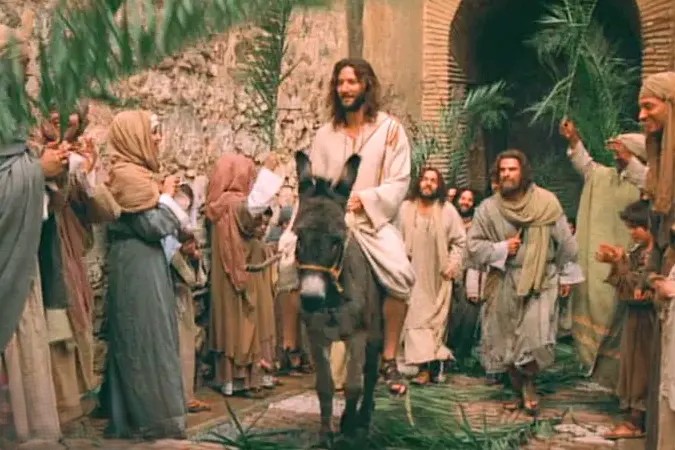
The Palm Sunday procession, which was held annually in Jerusalem, has been cancelled following the war and Iran’s attacks on Israel, with the church calling on people to pray for peace during this critical situation.
As Christians around the world prepare for Holy Week ceremonies and Easter celebrations, the city of Jerusalem faces an unusual and heavy atmosphere. The traditional “Palm Sunday” ceremony, which was held annually with the widespread presence of pilgrims from the Mount of Olives to the old city, has been cancelled due to escalating clashes and security concerns.
This decision was made following increased tensions in the region, particularly after Iran’s missile attacks on Israel and the possibility of further escalation; circumstances that have affected not only public safety but also the ability to freely hold religious ceremonies.
“Pierbattista Pizzaballa,” the Latin Patriarch of Jerusalem, announced the cancellation of this ceremony and called on the Christian community to focus on prayer and worship instead of public gatherings. He emphasized that in such circumstances, preserving human lives and focusing on peace are the church’s primary priorities.
In recent days, in addition to the cancellation of this procession, several other religious programs have been limited or suspended, and some Christian holy sites, particularly as Easter approaches, have remained closed due to security concerns. This situation has accompanied the spiritual atmosphere of these days with sorrow and anxiety for many believers.
Patriarch Pizzaballa wrote in a message to Christians of this city: “The difficulty of this period of war that has affected all of us adds a double burden to us today with the inability to properly celebrate Easter. This is a wound added to many other wounds caused by the conflict.”
He continued, referring to the role of prayer in such circumstances: “We must not let ourselves become discouraged. Although we may not be able to gather as we wish, we must not abandon prayer.”
Church leaders have also asked Christians to pray specifically during these days for peace in the region and for those who have been harmed by war, violence, and instability. According to them, prayer can create a bond between scattered hearts and keep hope alive amid darkness.
At the end of the message from the Latin Patriarch of Jerusalem, emphasis is placed on the main message of Easter; a message that goes beyond political and military circumstances and emphasizes hope and the victory of life: “Easter reminds us that no darkness, not even the darkness of war, is permanent. The empty tomb is the seal of life’s victory over hatred. Let this certainty keep our steps bright and our hope alive.”
The cancellation of this traditional ceremony, which for years was a symbol of the living presence of faith in the streets of Jerusalem, demonstrates the profound impact of political and military developments on religious life in the region. Nevertheless, Christian leaders believe that even in the absence of public gatherings, faith and hope can remain alive in hearts and open a path toward peace.