Cry for Freedom from 340 Zoroastrians, Support for Reza Pahlavi and Rejection of Islamic Republic
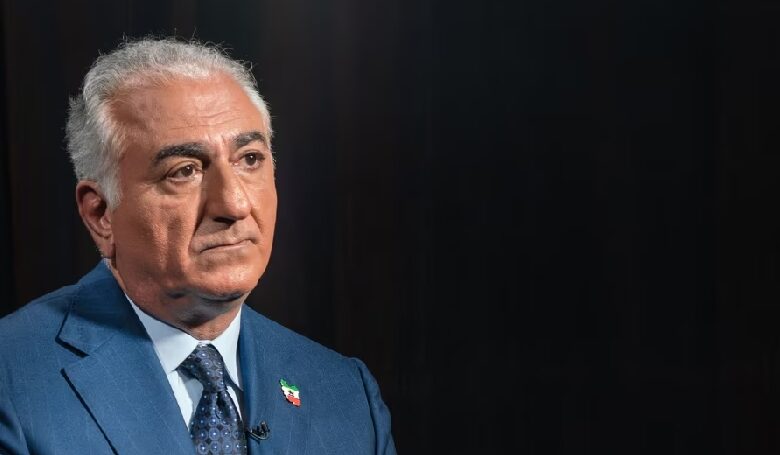
340 Zoroastrians, with cries of protest against the Islamic Republic and declaration of support for Reza Pahlavi, raise their voice in solidarity and rejection of the Islamic Republic.
At a time when Iran is witnessing one of the largest waves of popular protest in the past four decades, 340 Iranian Zoroastrians released an unprecedented and forceful statement condemning the crimes of the Islamic Republic against the people during Iran’s national revolution and declared their support for Prince Reza Pahlavi.
In this statement, the signatories emphasized that Iran needs national solidarity and reliance on symbols and values rooted in historical memory and Iranian identity to transition “from darkness toward the light of truth.”
Zoroastrians also called the Lion and Sun flag a symbol of historical continuity, national sovereignty, and the connection between contemporary Iran, ancient Iran, and future Iran, and called for comprehensive solidarity around this emblem.
The statement reads: “In the path of national transition and liberation of the country from despotism, we support the formation of a legitimate transitional government led by Prince Reza Pahlavi.”
This formal support from the Zoroastrian minority comes as protests in Iran have entered an unprecedented phase. According to various reports, nationwide demonstrations in dozens of Iranian cities have erupted in response to economic crisis, structural corruption, and widespread repression, with slogans such as “Pahlavi will return,” “Death to the dictator,” and “This is not the end” being heard.
The issuance of such a statement by the Zoroastrian community, which has a long history of discrimination and enduring political pressures, demonstrates the depth of public discontent with the Islamic Republic’s government and the search for a shared leadership to transition out of the crisis.
Independent experts believe that the choice of Reza Pahlavi as transitional leadership represents not only a symbol of returning to the past but also a symbol of unity against oppression and despotism in Iran; although the extent of actual public support within the country remains a subject of debate.
Zoroastrian support also gains meaning within the framework of international reactions and the Iranian diaspora. In many gatherings in Europe and America, Iranians have chanted slogans in support of Reza Pahlavi and raised pre-1979 Revolution flags as symbols of unity and resistance; however, the Islamic Republic has responded to these waves of protest with violent and bloody crackdowns. It is reported that thousands have been killed in the suppression and tens of thousands have been arrested, figures that some independent sources estimate to be significantly higher.
This Zoroastrian statement is not merely a cultural and religious response, but can be seen as a symbol of unity transcending religious and ethnic boundaries; a response to a government that, over decades, has shown it sacrifices the lives and dignity of its citizens for its own survival in power.