Exposed: Islamic Republic’s Torture Machine: Staged Executions, Sexual Violence, and Systematic Forced Confessions
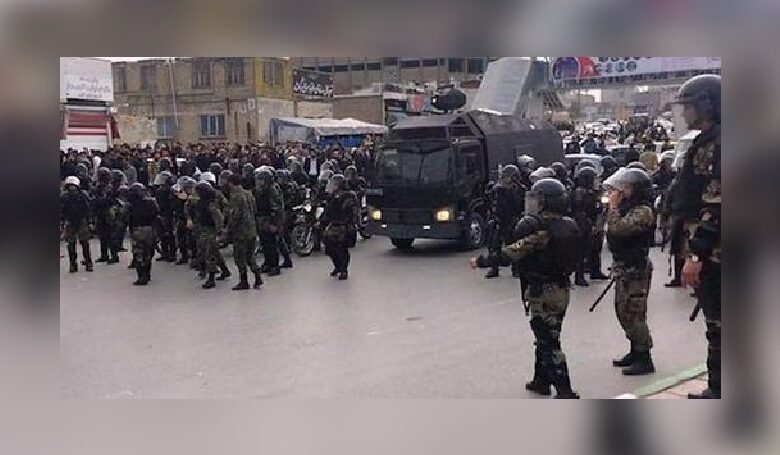
“Hengaw” released a report exposing new details about the Islamic Republic’s torture machine, staged executions, sexual violence, and systematic forced confessions from protesters.
According to shocking reports from the human rights organization “Hengaw,” the Islamic Republic of Iran has employed an array of organized, extrajudicial, and severely violent methods to suppress nationwide protests in December 2025, including mass arrests, transfers to undisclosed locations, severe physical and psychological torture, sexual violence, threats of rape, staged executions, and forced confessions.
Through direct conversations with several detainees recently released on bail, the human rights organization found that many protesters were not transferred to official detention centers and prisons, but rather to anonymous residential houses, warehouses, and informal facilities—locations that lacked even the designation of “detention center” and effectively operated outside any judicial oversight.
Detainees in these facilities faced various forms of torture including mock executions, sexual violence, threats of rape, and threats of immediate killing. The primary purpose of these tortures was to extract quick, videotaped, and pre-planned confessions against themselves and others.
Based on this released information, a large portion of the detainees were adolescents and young adults who, regardless of gender, faced sexual violence and explicit threats. Threats of execution between 4-5 AM, placing nooses around detainees’ necks while broadcasting the call to prayer, were among the commonly reported methods used to break their psychological resistance.
One of these sources told Hengaw: “They pressured us to confess that we were spies and wanted to send this information to networks outside the country.”
He continues: “They tortured us, blindfolded me and said take off your clothes, then said you are permissible for the Revolutionary Guards. I felt someone touching me. They put a noose around my neck saying now that you won’t confess we will execute you without trial.”
Hengaw also confirmed through conversations with several detainees that suppressive forces collectively arrested women and men, initially transferred them to anonymous residential locations, then separated them and sent them to different detention centers. Most of these individuals spoke of severe psychological torture, which they described as even harder to endure than physical torture.
According to detainees, their interrogators forced them to confess that they were “deceived,” “received money from specific individuals,” “used narcotics,” or “are connected to foreign networks.” To extract these confessions, every method was used: “From interrogation while lying down, to isolation of cellmates and simulating gunshots.”
Another detainee stated: “In the final days, they put drops in my eyes and said it was acid, you will soon go blind. That’s when I confessed to whatever they said and was later released on bail.”
In another section of these reports, Hengaw exposes the systematic use of female interrogators to inflict psychological and sexual torture, particularly against young men—a method the organization describes as a disturbing new pattern in Islamic Republic interrogations.
One male narrator, a young man, stated: “The first two or three days were just interrogation and information completion. Then the number of detainees was reduced by about a third. I had two interrogators, one female and one male. The male interrogator played the role of good cop and the female interrogator played bad cop. They pressured me to say I had a firearm. Sometimes they held the gun to my forehead and said we will shoot. They said I had to confess I received money from foreign services. One whole day, for about seven hours, I was made to lie on the ground and was interrogated while lying down. That woman pressured me to curse at those killed in these protests. I am very ashamed of that. They were completely trained to cause us severe psychological harm. I was able to endure all the torture, but the psychological pressure to curse at the martyrs made my life unbearable. They showed me pictures of the bodies of the killed and said if you don’t confess this will be your fate. That female interrogator poured hot tea on me, spitting in my face while I lay there. She made me lie down and put her foot on my face. They treated us like slaves. Before releasing me, they forced me to thank that torturer woman.”
Another narrator, a 19-year-old boy, says: “They held us in a large residential detention facility. They separated men and women. They even separated us by age and transferred the teenagers elsewhere. I had three interrogators, two men and one woman. That female interrogator was very cruel. They constantly told me they would kill me. They even said they had informed my family of my death. I am deeply ashamed, it is crude, but that female interrogator shoved her socks in my mouth and said I had to curse at the killed. I have reached my limit with this and wanted to take my own life. They treated us like animals. They put a noose around my neck and said we will execute you.”
A 32-year-old woman in detention also said: “They entered with rope, a drill, and hooks, and pointing to the ceiling said we will execute you. They poured cold water on me, they used a lot of sexual torture. There was even a 12-year-old child among the detainees. They told me you work with Mossad, and also said I received money from Kurdish parties for my activities. There was much effort to connect me to outside Iran. I constantly heard the sounds of people being tortured. There were so many people we couldn’t stretch our legs.”
Another narrator, a 22-year-old young man who is unaware of the existence of other narrators, also says: “I was detained in a residential house. I don’t know who my interrogators were, but they beat me badly. They threatened me, but what disturbed me most was a female interrogator who sexually tortured me. She forced me to kiss her feet. She humiliated me, severe cursing. Several times she forced me to kiss her feet. They even pulled down my pants and threatened sexual assault.”
The Islamic Republic, simultaneously with these arrests, used field courts without legal due process to issue swift verdicts. These actions aligned with official government statements labeling protesters as “enemies of state,” “terrorists,” and “spies of foreign enemies,” while promising immediate processing of their cases.
According to statistics from Hengaw’s Documentation Center, since the beginning of the recent nationwide protests:
- More than 40,000 citizens have been arrested
- The identities of 2,500 people have been verified
- Among them are 186 women and 218 children under 18 years old
- To date, the identities of 1,270 deceased have been verified, including 125 women and 93 children.
The human rights organization warns that the complete lack of transparency in the judicial apparatus, pressure on families to remain silent, and complete immunity for interrogators and security forces indicate the broader dimensions of ongoing crimes.
The human rights organization Hengaw, emphasizing the severe psychological condition of many detainees, announced that some had attempted suicide before contacting the organization and called for immediate and safe access by independent psychologists to these individuals.
This report presents a stark picture of the Islamic Republic’s repression machine—a system that has abandoned not only the law but even its own formal repression frameworks, resorting instead to torture, humiliation, and naked forced confession as its primary tools of survival.