Bloody Earthquake of Crackdown: ‘Zahra Arjomandi,’ Christian Citizen Victim of Brutality in Qeshm
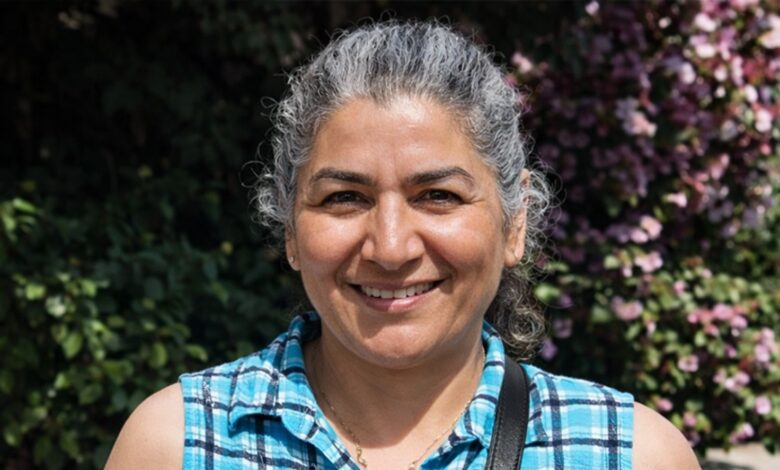
The death of ‘Zahra Arjomandi,’ a 51-year-old Christian citizen, symbolizes the widespread atrocities of Iran’s protest crackdown and the unanswered blood of protesters.
On the evening of December 18, 1404 (January 8, 2026), Zahra Arjomandi, a 51-year-old Christian citizen residing on Qeshm Island, lost her life during the violent suppression of popular protests in Iran. This incident is part of a widespread wave of violence against protesting citizens that has continued across different parts of the country since late 1404, and according to human rights organizations, has been accompanied by reckless use of force, firearms, and repressive measures.
Based on accounts from independent sources, Zahra Arjomandi was separated from her son for a moment while present among the protesting crowd and was shot during direct gunfire by security forces. Simultaneously, all telecommunications and internet connections in the area were completely cut off, preventing the emergence of independent and timely information about the events.
After connections were restored, an anonymous call reached her son informing him of Zahra Arjomandi’s injury. When her son arrived at the scene, he found his mother severely wounded and she was immediately transferred to the hospital, but due to the severity of her injuries, doctors were unable to save her life. Zahra had two children and died in the arms of her son.
After Zahra’s death, security forces detained her body for six days and then buried her under the strictest security measures in the city of ‘Sadeh’ in northern Fars Province, while an order prohibiting the holding of any memorial ceremony for her and any form of public notification was announced.
The story of Zahra Arjomandi’s death is just one case among thousands of instances of suppression and killing of protesters in Iran during this period. Reports from international organizations show that during the protests that began on December 28, 2025 (December 7, 1404), Iranian security forces, including the Islamic Revolutionary Guards Corps and police, repeatedly and unlawfully attacked protesters using bullets, shotguns, metal pellets, tear gas, and batons, resulting in the deaths of at least dozens of protesters and the detention of hundreds of people, including children and civil activists.
This wave of protests, which initially began with economic and social demands and transformed into a widespread uprising against suppression, corruption, and lack of freedoms, was met with a violent and ‘reckless’ response from Iranian authorities. Independent human rights organizations have reported that this crackdown continues with the aim of intimidating society and preventing freedom-seeking discourse, and those accused of protesting often face serious charges, unfair trials, and even the risk of execution.
In this context, the deaths of individuals such as Zahra Arjomandi and other victims of protests reported from various parts of Iran, including the names of ‘Mohsen Rashidi,’ ‘Ehsan Afshari-Manesh,’ and ‘Ajmin Messihi,’ demonstrate that advocating for human rights, freedom of opinion, and peaceful protest in Iran continues to carry severe and catastrophic dangers.
Reports also remind us that many families of victims are under pressure and security threats and are struggling to prevent the remembrance and recording of facts, while the international community and human rights organizations are calling for the Iranian government to be held accountable for these human rights violations.